
Leave Your Message
-
Contact Phone
-
 Contact Email
High-speed, precision-engineered cartesian linear robots customized for injection molding demolding, secondary finishing, and intelligent packaging.
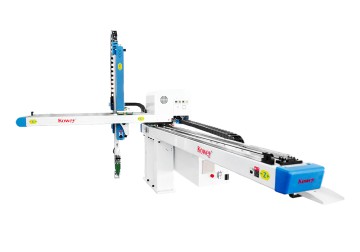
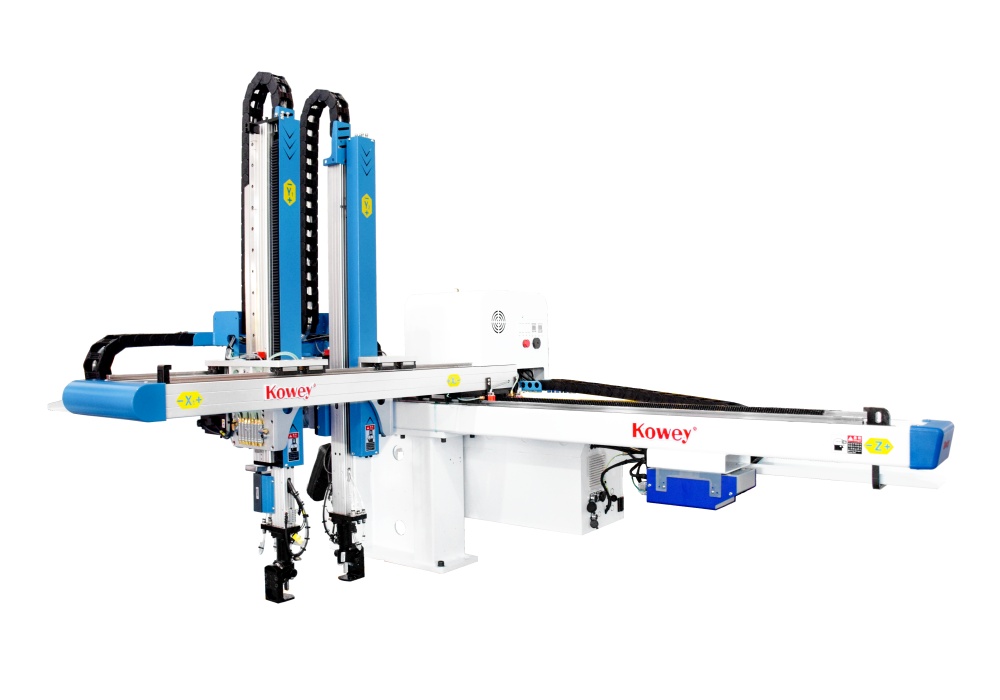
In the modern manufacturing landscape, industrial injection molding facilities face escalating labor costs, rigorous yield requirements, and fluctuating demand cycles. Integrating a 3-axis servo robot for smart factory upgrades has shifted from a capital luxury to a strategic operational imperative. These Cartesian systems, driving the traverse (X), kick-stroke (Y), and vertical (Z) axes via precision AC servomotors, serve as the backbone of modern automated take-out routines.
Unlike conventional pneumatic pickers, full-servo Cartesian robots provide absolute positional accuracy (within ±0.02 mm), flexible multi-point positioning, and millisecond-level cycle repeatability. As polymer processors upgrade legacy manufacturing lines into integrated Industry 4.0 smart cells, 3-axis servo robots bridge the physical gap between closed-loop injection molding machines (IMMs) and downstream material handling ecosystems.
Why Cartesian three-axis servomechanisms dominate modern injection molding automation cells.
Utilizing high-tensile structural extruded aluminum beams and finite-element-analyzed "Bull Head" kick-stroke assemblies to eradicate vibration, ensuring rock-solid part extraction at peak speeds.
Closed-loop AC servomotors coupled with precision planetary gearboxes and heavy-duty THK linear guide rails yield repeatable accuracy of ±0.02 mm for intricate insert-loading and degating.
Native fieldbus protocols including EtherCAT, PROFINET, and Modbus TCP seamlessly stream cycle statistics, error codes, and maintenance triggers to centralized factory MES platforms.
Discover how 3-axis cartesian robots are tailored across rigorous manufacturing environments to minimize mold-open times and safeguard valuable tooling.
In food packaging and healthcare manufacturing (pipette tips, petri dishes, medical syringe barrels), mold cavity numbers range from 32 to 128 cavities. Total dry-cycle take-out times must stay under 4 seconds to maintain production efficiency.
Double-stage 3-axis servo robots equipped with carbon-fiber vacuum end-of-arm tooling (EOAT) achieve extraction accelerations exceeding 50 m/s². The high rigidity prevents arm oscillation, ensuring parts are lifted cleanly from mold pins without damaging delicate ejection pins or core faces.
Automotive molding involves deep-draw parts such as door panels, A/B pillars, and HVAC ducting. These parts often combine complex geometric profiles with automated insert molding (e.g., placing threaded brass studs into the mold cavity prior to shot injection).
Three-axis servo robots coordinate synchronized multi-point trajectories. After inserting hardware with sub-millimeter precision, the same EOAT extracts finished moldings, presenting them to downstream laser degating, visual defect inspection, or cooling fixtures.
For television bezels, monitor rear covers, and washing machine control panels, cosmetic perfection is paramount. Dropped parts or scratches from ejector pins result in direct financial scrap.
Bull-Head style 3-axis servo robots operate across large-tonnage clamping units (650T to 2000T). Their dual-stage telescopic structure allows handling of heavy, wide-profile parts without demanding excessive factory roof heights, depositing components directly onto outbound inspection belts with zero surface marring.
While high-speed side-entry robots traditionally dominate ultra-fast IML applications, top-entry 3-axis servo robots provide an economical, highly versatile approach for medium-batch butter tubs, paint pails, and containers.
Equipped with electro-static charging bars and micro-pitch vacuum cups, the robot picks printed labels, introduces them into the mold cavities, applies electrostatic adhesion, and harvests the labeled products in a single synchronized stroke.
The convergence of edge artificial intelligence, virtual commissioning, and green manufacturing.
Modern 3-axis robots are shifting from static path programming to AI-driven dynamic trajectory adjustment. By reading mold position feedback in real-time, the robot initiates entrance right as mold clamps crack open, shaving off fractions of a second and minimizing mold-open wait times.
Before metal is mounted, complete automated work cells are tested in 3D digital simulation suites. Engineers test EOAT clearance, calculate cycle timing, identify physical collision risks, and validate cycle times virtually, accelerating real-world factory commissioning by over 60%.
Integrated high-frequency vibration sensors monitor ball screws, guide rails, and timing belts. Machine learning edge models detect harmonic signatures indicative of lubrication loss or bearing spalling, alerting plant teams before catastrophic mold crashes can occur.
Decarbonization policies require lower electrical footprints per produced unit. Utilizing ultra-lightweight structural profiles, regenerative servo drives, and auto-sleep pneumatic solenoids, new generation Cartesian robots consume up to 30% less power than models from the previous decade.
Explore our full line-up of robust Cartesian robots, swing-arm sprue pickers, and specialty automation systems.
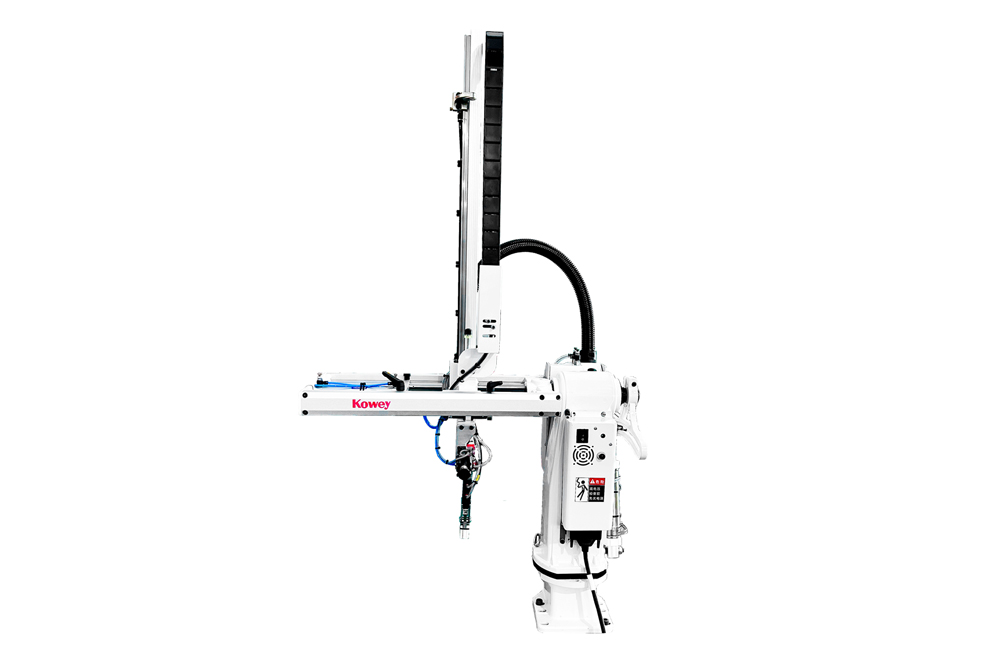
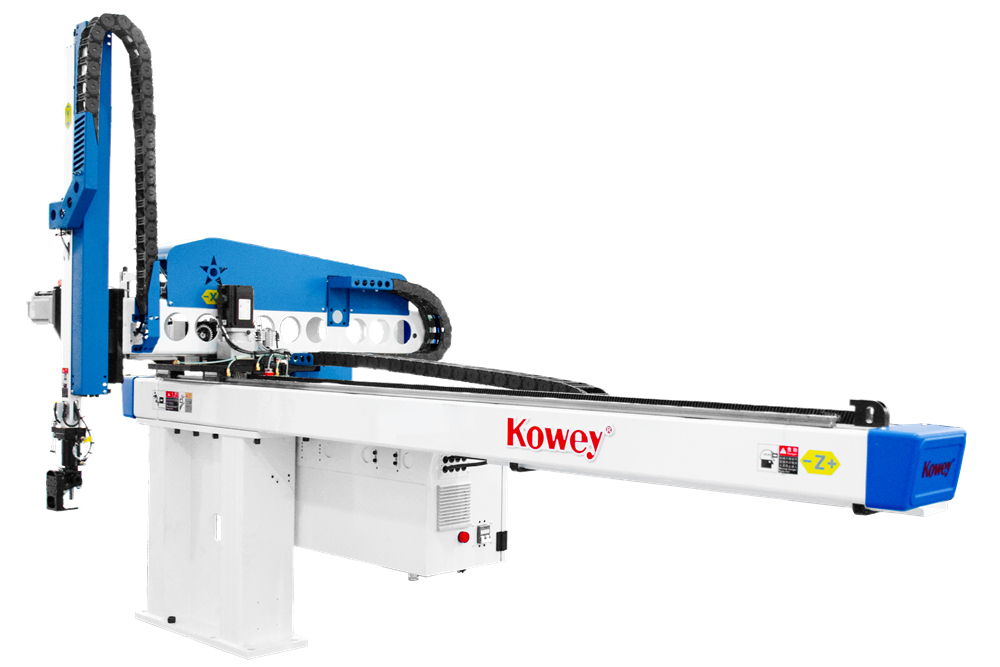
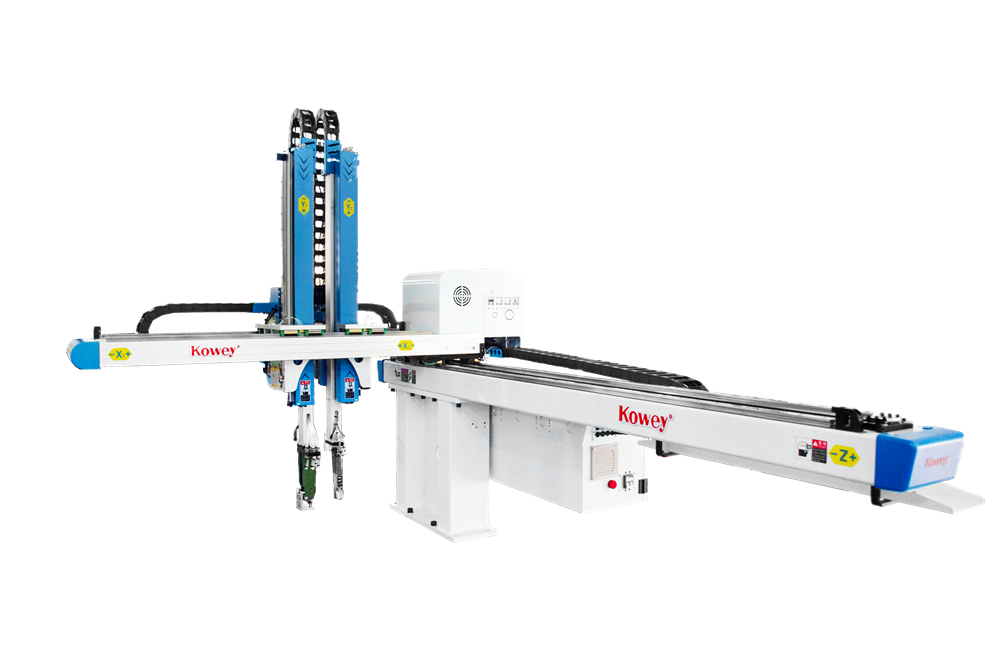
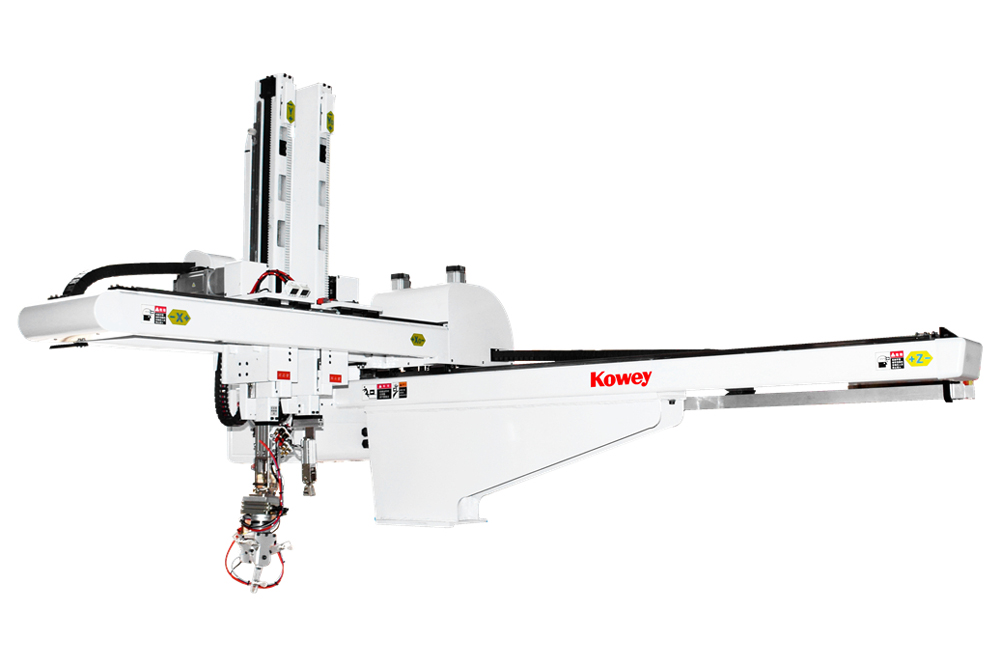
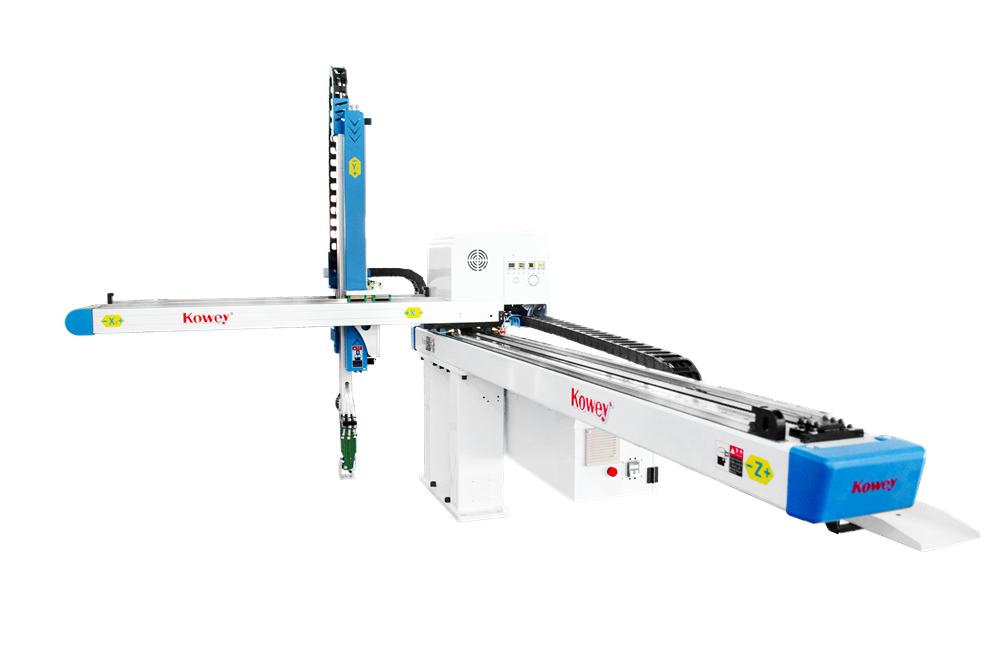
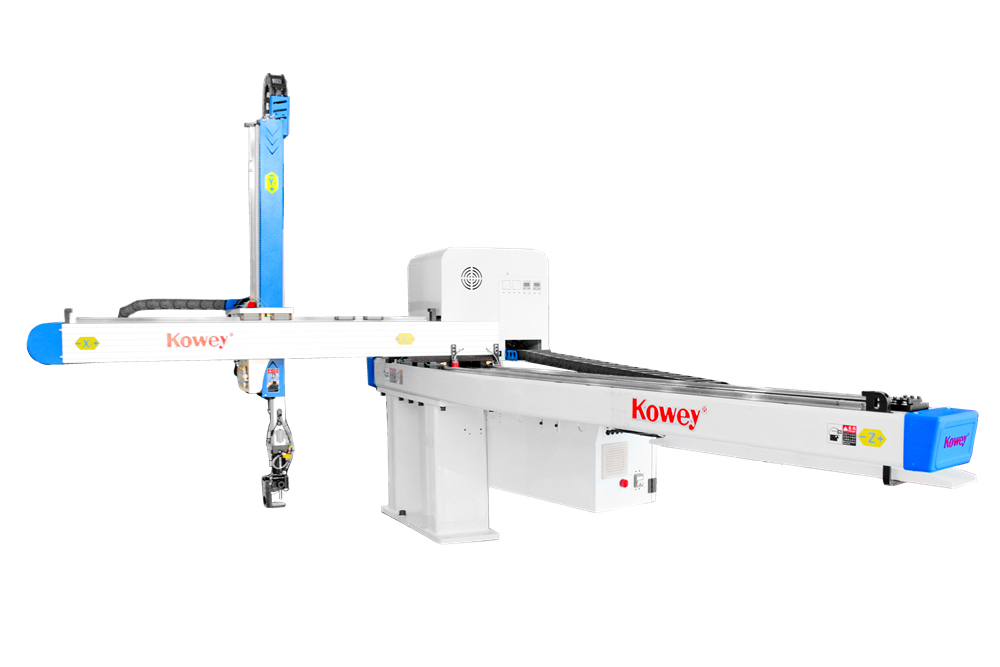
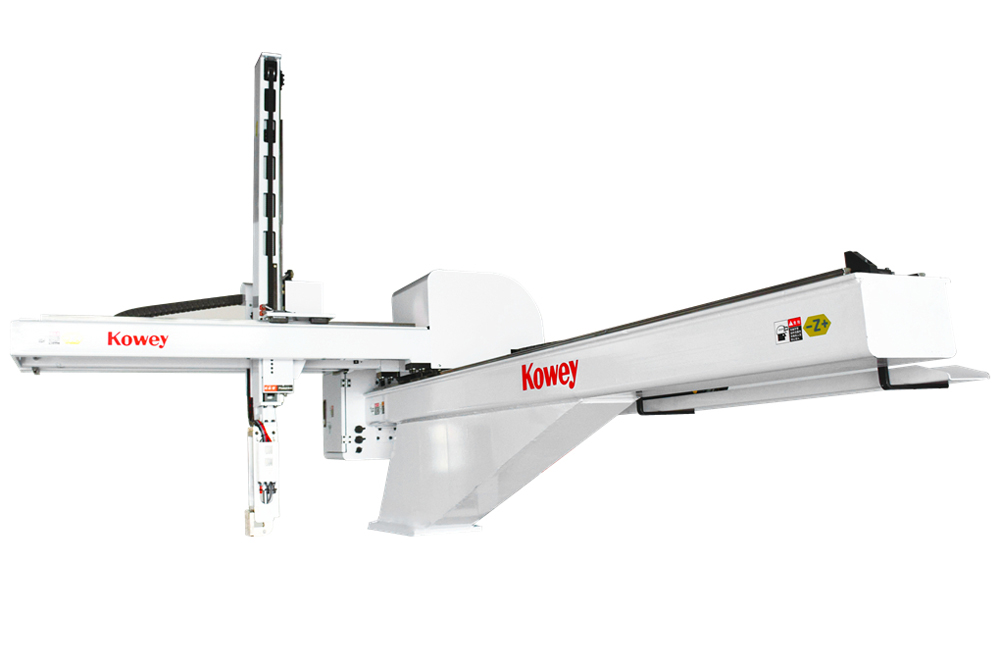
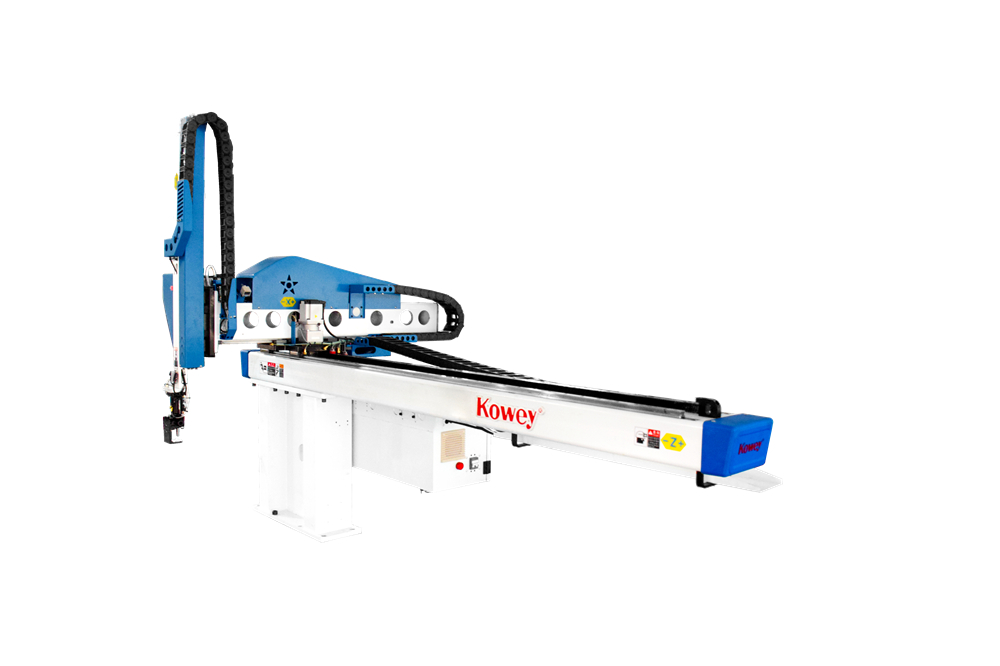
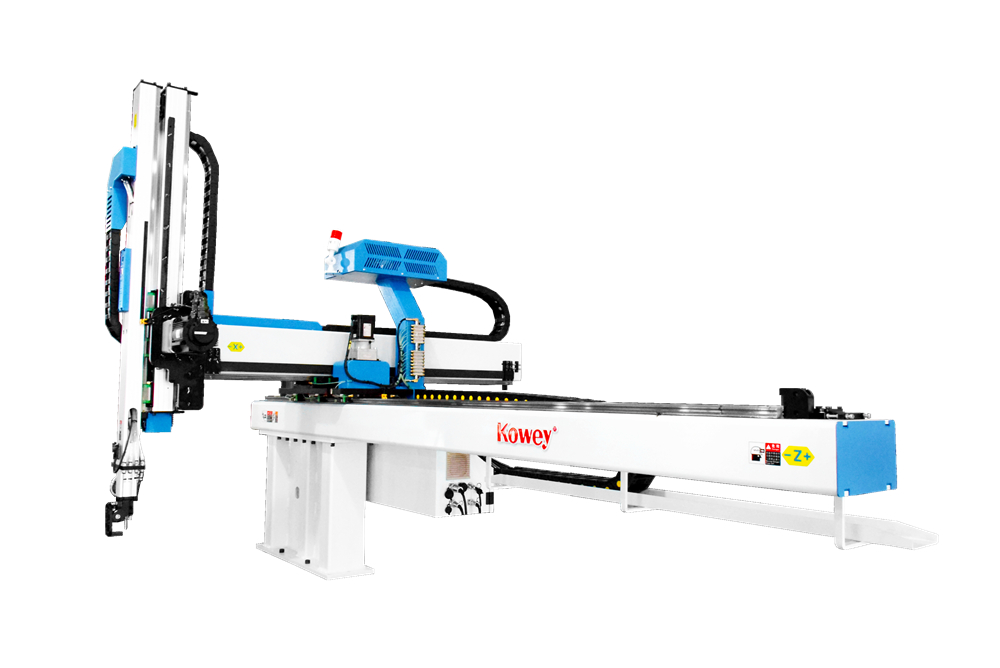
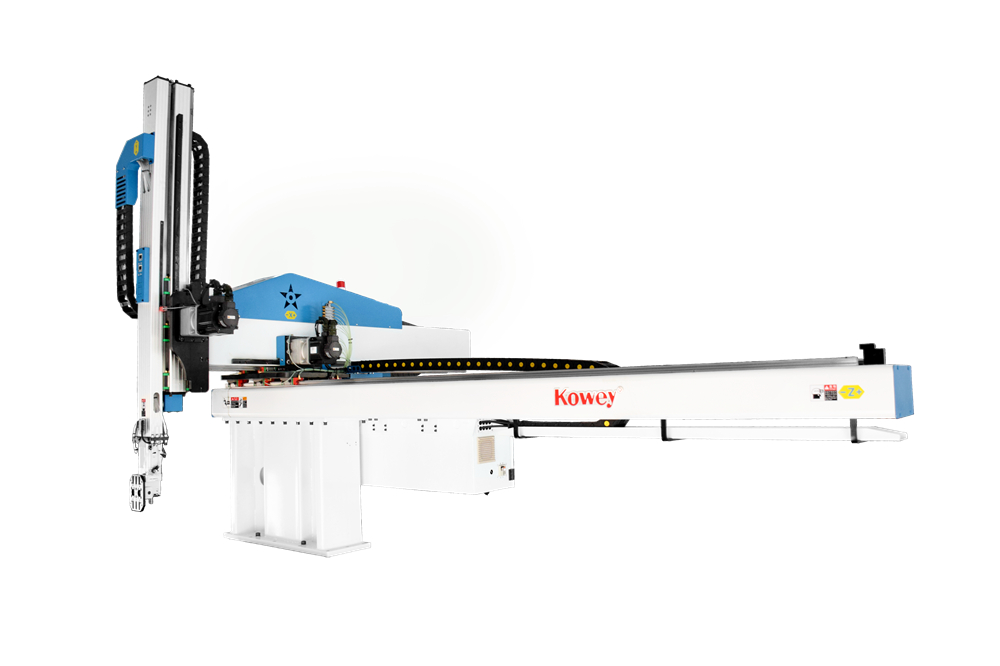
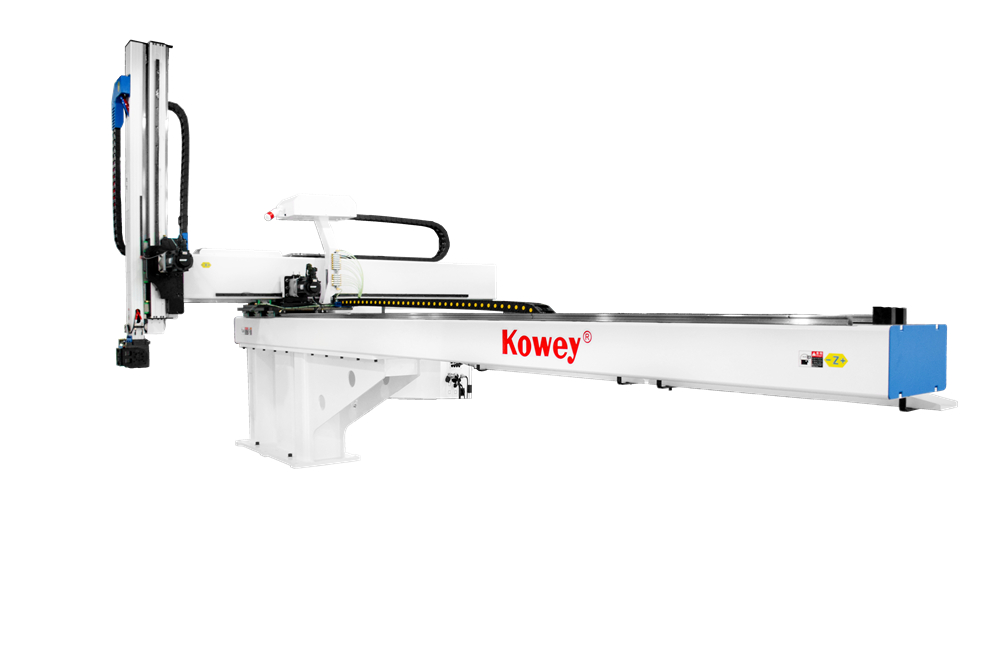
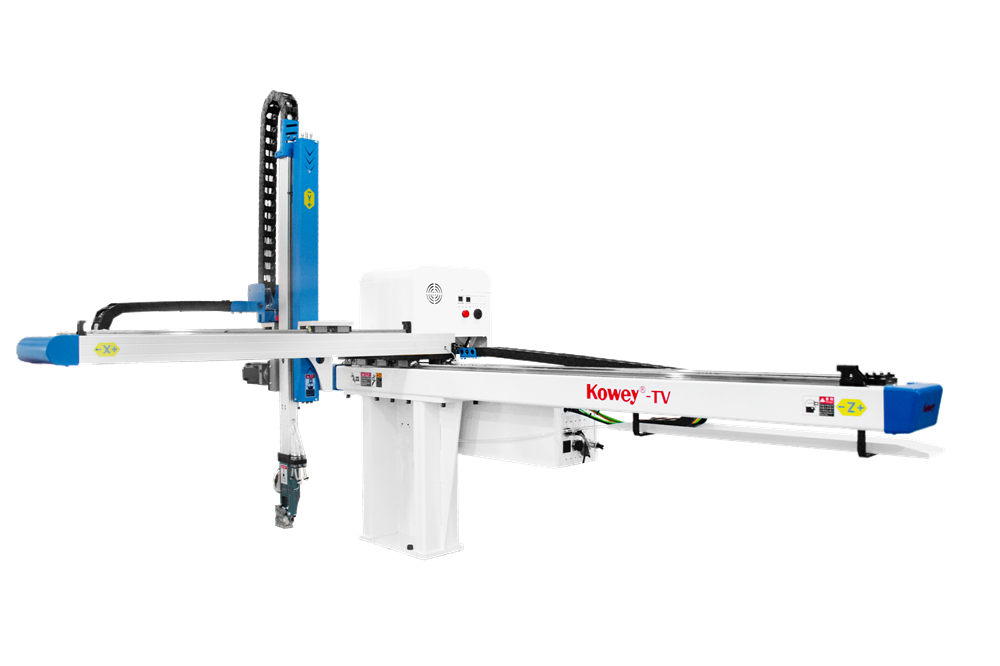
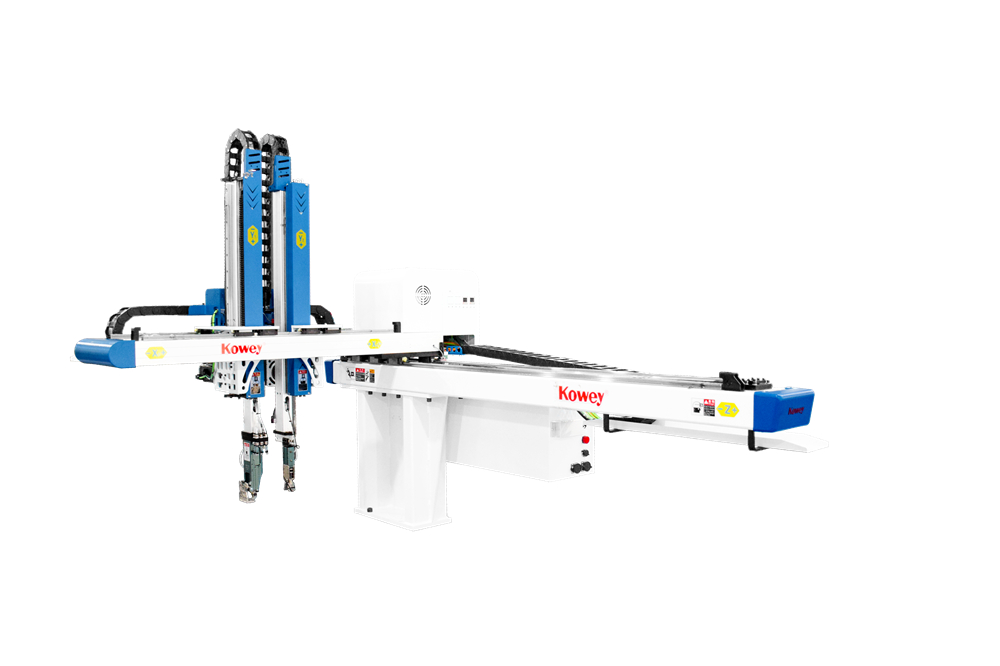
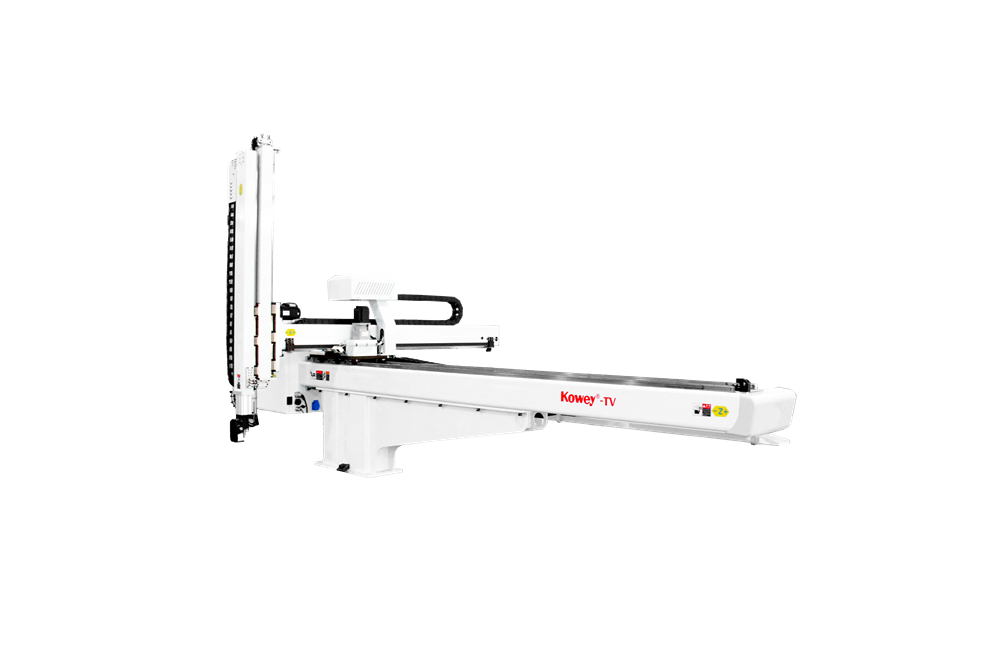
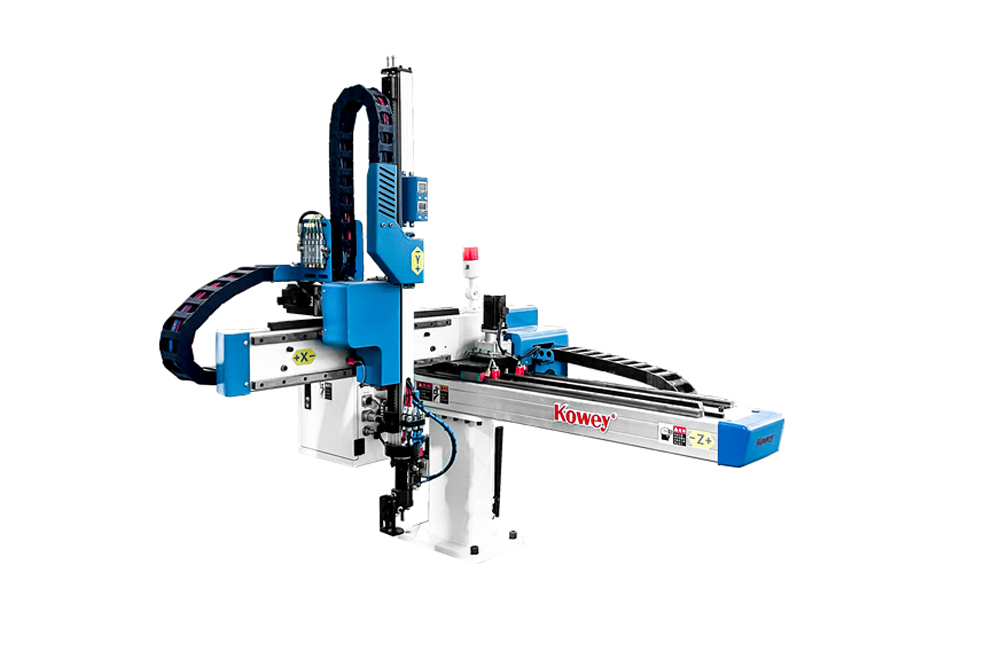
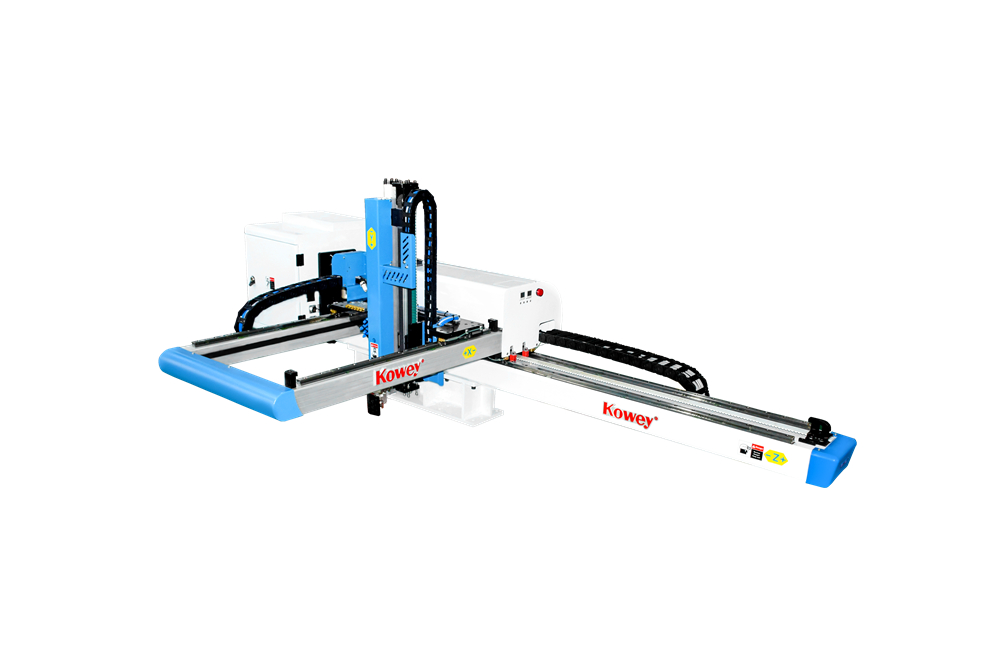
Select from our complete range of specialized Cartesian units, high-speed take-out robots, and precision IML solutions designed for smart manufacturing facilities.