Leave Your Message
Next-Gen Industrial Automation

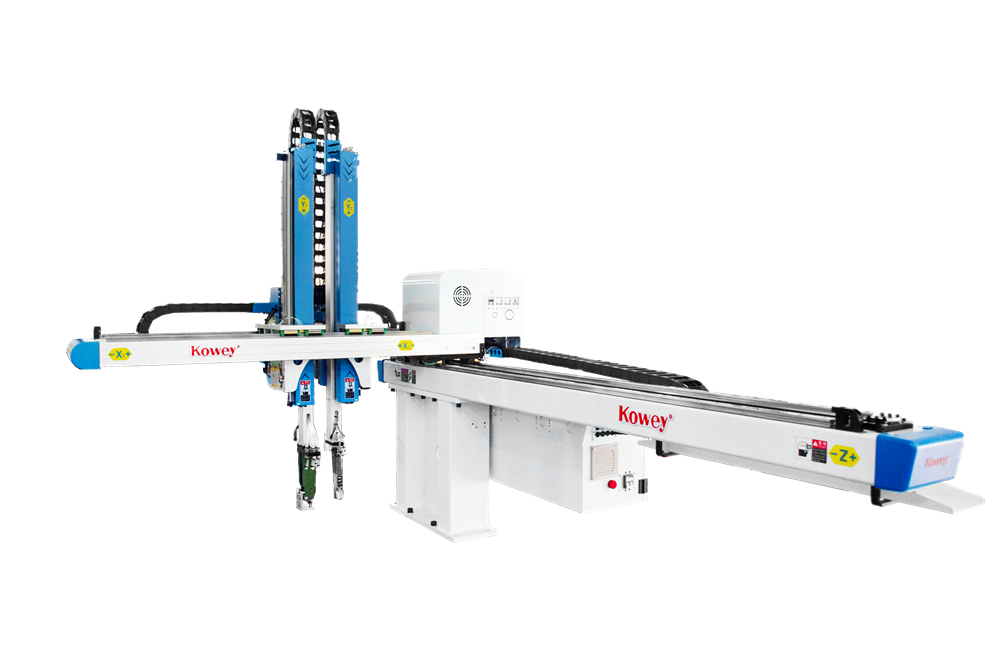
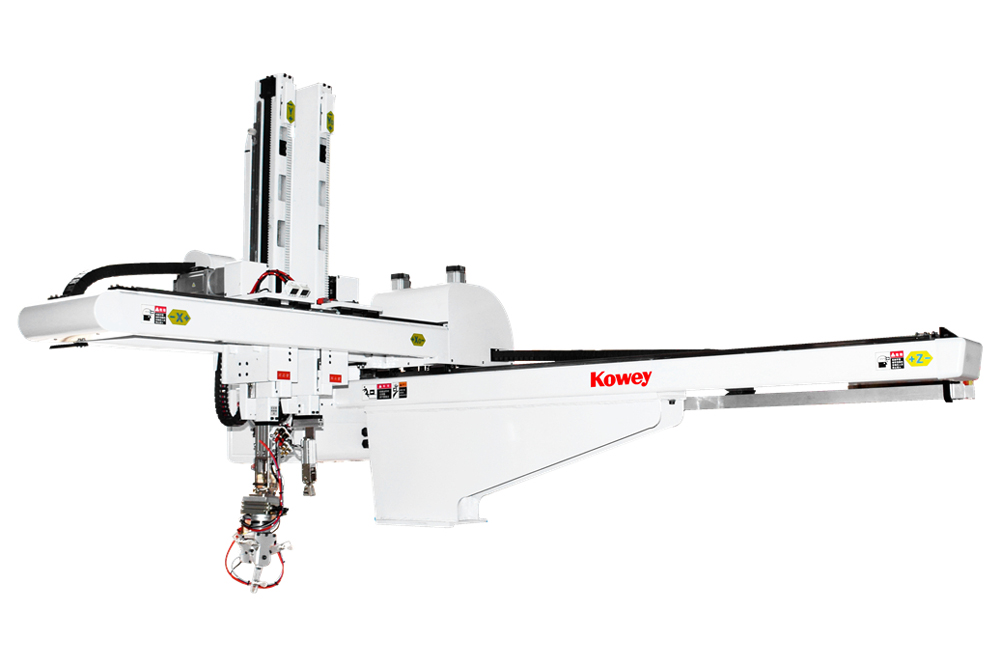
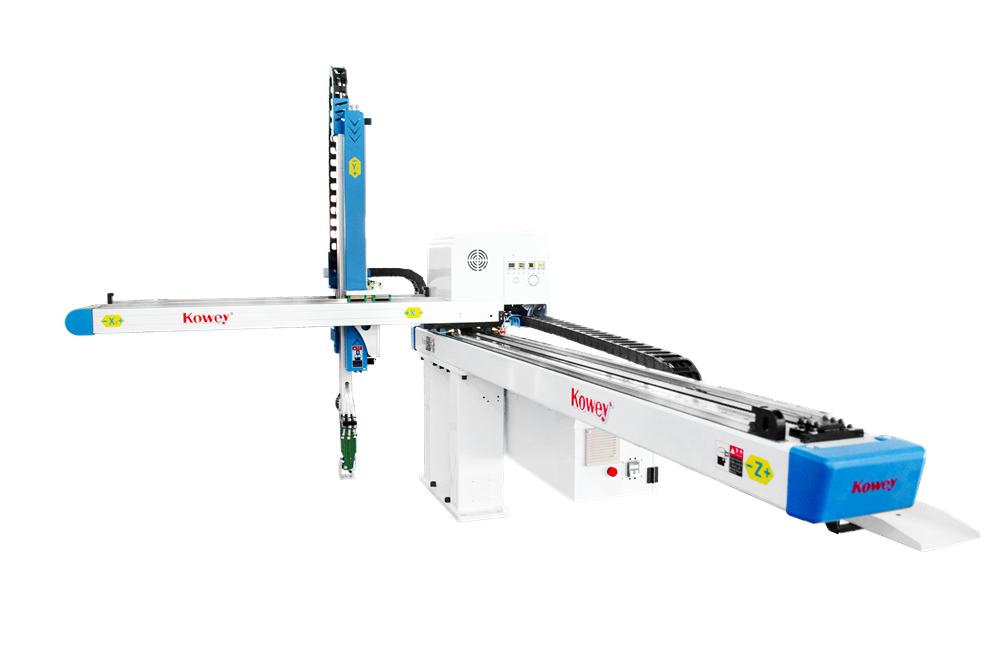
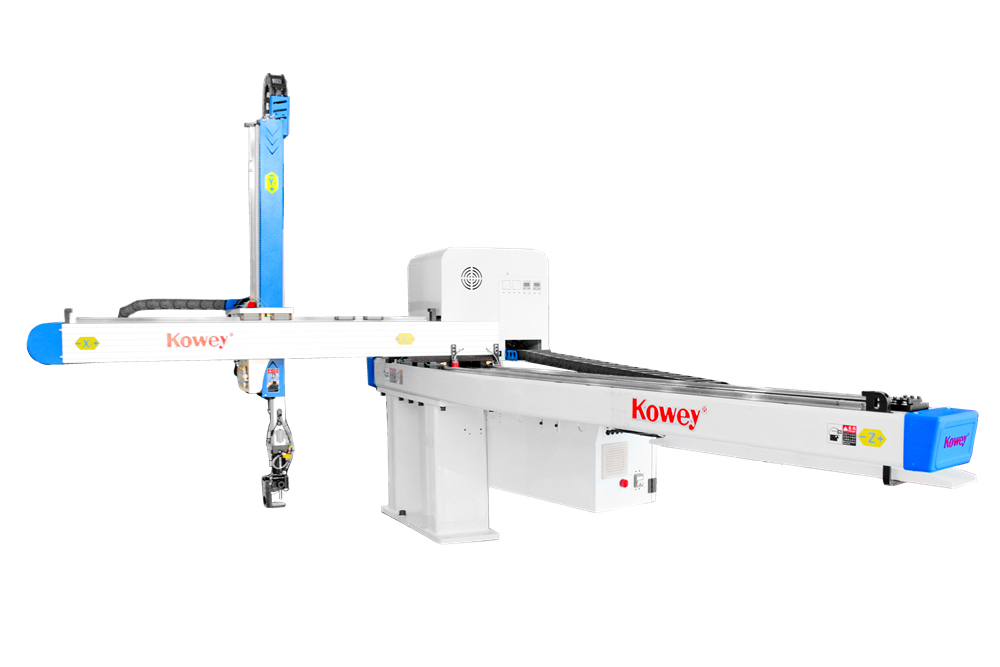
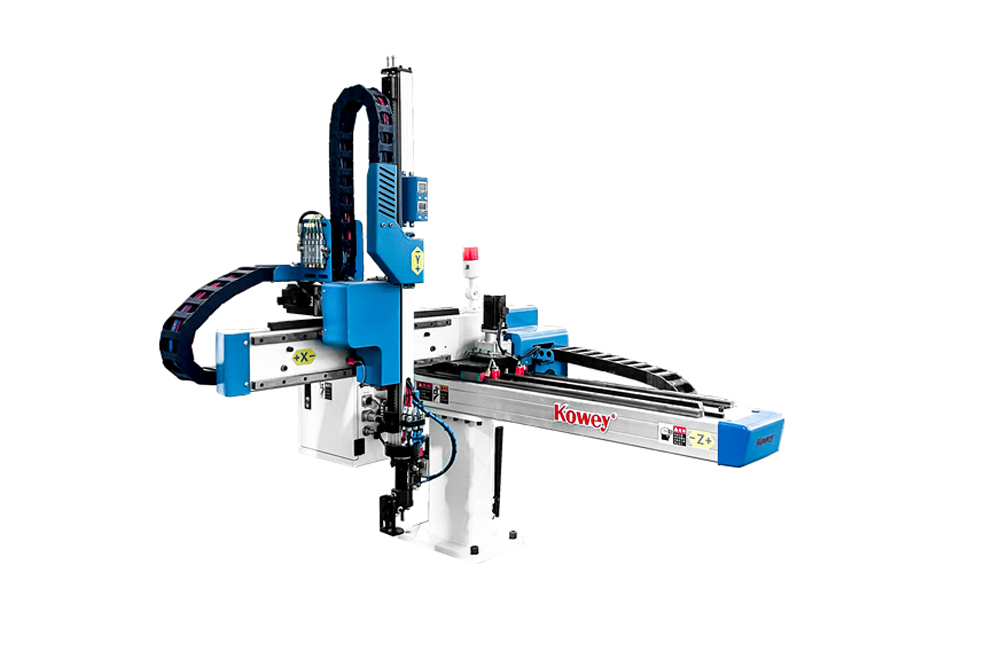
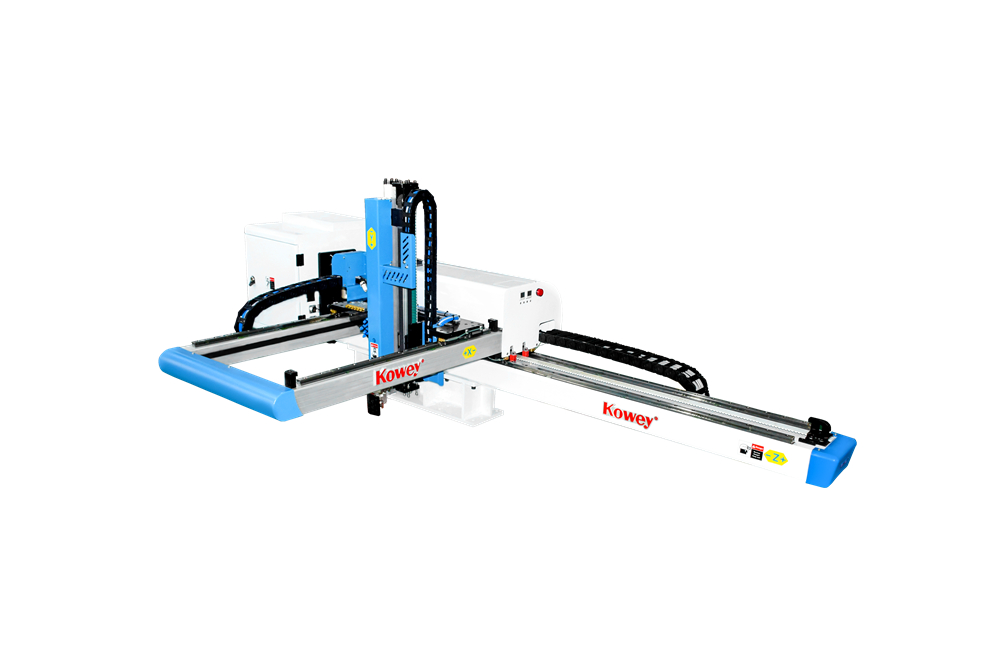
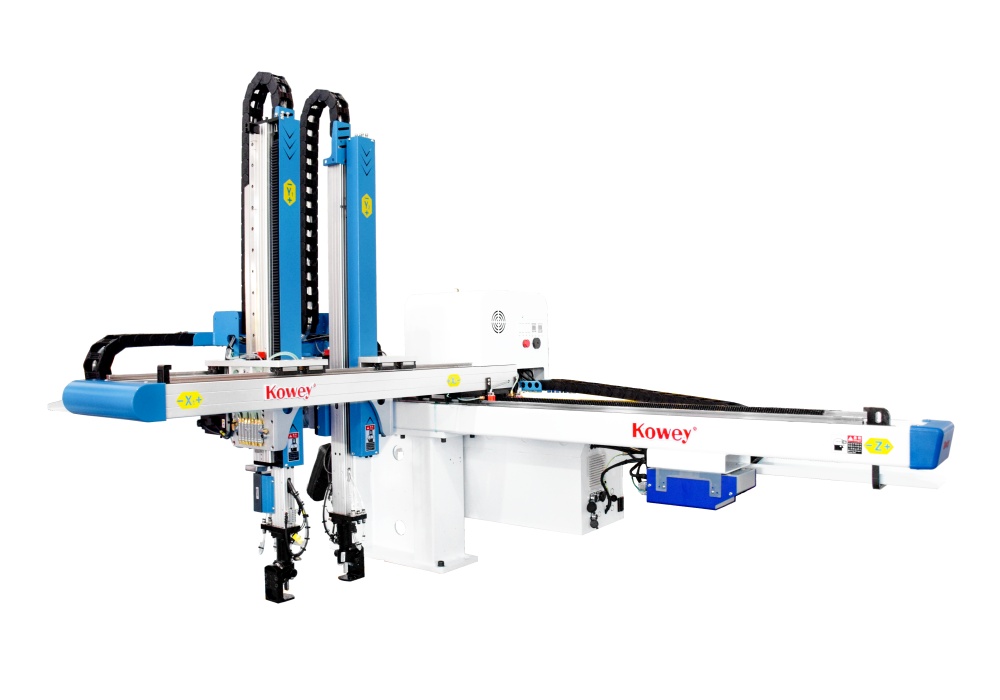
5 Axis Robot For Industrial Robot Integration

Synchronizing High-Speed Cartesian Kinematics, Servo Precision, and Intelligent Cell Integration for Advanced Injection Molding, Demolding, and Automated Assembly Workcells.

High-Performance Robotics for Automated Cell Integration

Deploying robust 3-axis and 5-axis full servo manipulation platforms designed for sub-second take-out times, deterministic repeatability, and seamless communication with modern injection molding machinery.

The Strategic Rise of 5 Axis Robots in Modern Industrial Integration

Transforming discrete component manufacturing into agile, data-driven, and high-efficiency smart automated production ecosystems.

Industrial automation has transcended basic repetitive task handling to embrace holistic cyber-physical integration. In this evolution, the 5 axis robot for industrial robot integration has emerged as a cornerstone architecture. While standard 3-axis Cartesian gantry robots excel in straightforward top-entry part removal along orthogonal X, Y, and Z axes, the expanding complexity of modern component designs demands additional spatial articulation. By incorporating dual servo-driven rotational axes (traditionally B-axis tilt and C-axis rotation) at the wrist level, a 5-axis platform delivers the nimble dexterity comparable to articulated arm robots, while preserving the unmatched velocity, rigid payload capacity, structural dampening, and cost efficiency of Cartesian gantries.

Sub-Second Dry Cycle Speeds

Direct mechanical coupling and optimized lightweight structural beams reduce inertia, enabling mold intervention times under 0.6 seconds in fast-cycling packaging environments.

Micro-Level Repeatability

High-resolution absolute encoders and precision ground rack-and-pinion transmission mechanisms guarantee positional accuracy within ±0.02 mm across multi-axis trajectories.

Seamless Cell Interfacing

Native compatibility with Euromap 67, Euromap 73, SPI, EtherCAT, and PROFINET standards enables unified control across mold, robot, and downstream automation.

Global market analysts observe an accelerated pivot toward 5-axis architectures across the automotive lightweighting, medical diagnostics, high-precision electronics, and thin-wall container sectors. With cleanroom standards tightening and multi-cavity molds multiplying in density, single-arm static pickers are no longer sufficient. Today's integrated 5-axis units perform secondary operations concurrently within the mold clamp area: checking part presence via vacuum flow sensors, executing sprue separation with pneumatic nippers, presenting parts to high-resolution vision systems, and orienting molded sub-assemblies directly onto downstream conveyors or automated guided vehicles (AGVs).

Architectural Anatomy of 5-Axis Cartesian Integration

Understanding the mechanical and electrical synchronization behind five interpolated degrees of freedom.

The true power of a 5-axis Cartesian system lies in its dual-arm, double-stage mechanical configuration coupled with a dual-servo orientation wrist. Unlike articulated 6-axis arms that consume substantial floor footprint and experience wrist singularity limitations near mold tie bars, Cartesian 5-axis systems operate suspended on an overhead gantry beam.

  • Primary Linear Stroke (X-Axis): Heavy-duty traversals across the machine clamping unit with structural steel extrusion, providing exceptional stiffness and low vibration damping.
  • Crosswise Reach (Y-Axis): Fast in-and-out positioning utilizing closed-loop AC servo motors driving helical rack-and-pinion or timing belt modules.
  • Telescopic Vertical Strip (Z-Axis): Double-stage telescopic vertical arms drastically decrease overhead ceiling clearance demands while multiplying descent acceleration.
  • Servo B-Axis (Wrist Flip): Continuous programmable rotation from 0° to 90° or 180°, allowing parts to be pulled horizontally and flipped vertically for inspection without pneumatic mechanical shock.
  • Servo C-Axis (Wrist Swivel): 0° to 360° axial positioning, enabling angled part extraction from mold undercuts and precise alignment into nest fixtures or packaging trays.

Why Integrators Specify 5-Axis Over 6-Axis

System integrators must weigh floor layout, programming complexity, and capital expense against throughput requirements. Cartesian 5-axis robots offer substantial advantages over floor-mounted 6-axis arms:

Zero Factory Floor Footprint: Mounted entirely atop the injection molding machine platen, keeping walkways clear for operators and AMR fleets.
Instant Linear Trajectory: No complex inverse kinematics calculations causing hesitation during rapid mold entry; linear axes traverse straight into tight mold cavities.
Predictable Dynamic Payload: Structural stability resists torsional deflection when manipulating multi-cavity end-of-arm tooling (EOAT) weighing up to 50 kg.

Where 5 Axis Robots Drive Maximum ROI

From cleanroom medical assemblies to multi-cavity automotive components, explore real-world use cases where 5-axis integration outperforms conventional automation.

Automotive Insert Molding

5-axis wrists load threaded brass inserts and lead frames with micro-precision into the mold cavity before overmolding, then extract finished structural parts without scratching core surfaces.

In-Mold Labeling (IML)

Static charging, electrostatic film placement, and concurrent finished container extraction for thin-wall ice cream tubs, paint pails, and beverage drinkware at cycle speeds exceeding 25 shots/minute.

Medical Cleanroom Devices

Manufactured in ISO Class 7/8 cleanrooms with food-grade lubrication, enclosed cable carriers, and non-shedding belt systems to de-mold syringe barrels, pipette tips, and blood collection vials.

Vision-Guided Inspection

5-axis wrist rotation pivots extracted components 360° across optical telecentric lenses to detect flash, short shots, dimensional variances, and surface blemishes prior to packaging.

In-Line Degating & Finishing

Eliminating manual labor by positioning sprues against heated hot-wire cutters, ultrasonic trimmers, or multi-axis milling bits to achieve pristine edge aesthetics automatically.

Automated Palletizing Cells

Direct stacking of heavy automotive bumpers, appliance outer casings, and large crates into precise layer patterns with slip-sheet placement without human intervention.

our equipment

Comprehensive standard, special, and custom injection molding robotic configurations engineered for continuous 24/7 industrial uptime.
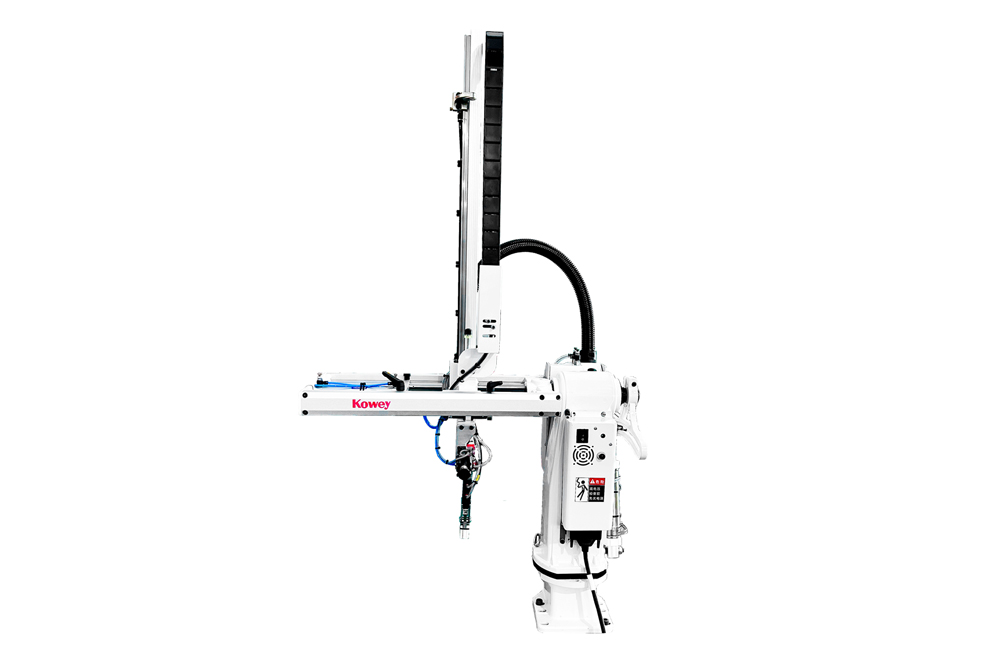
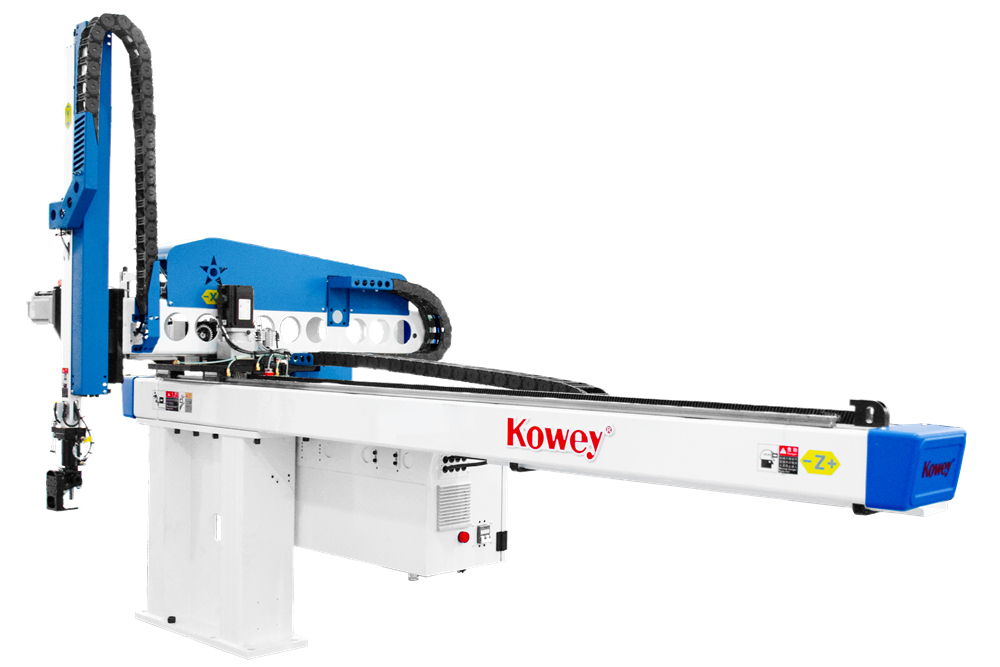
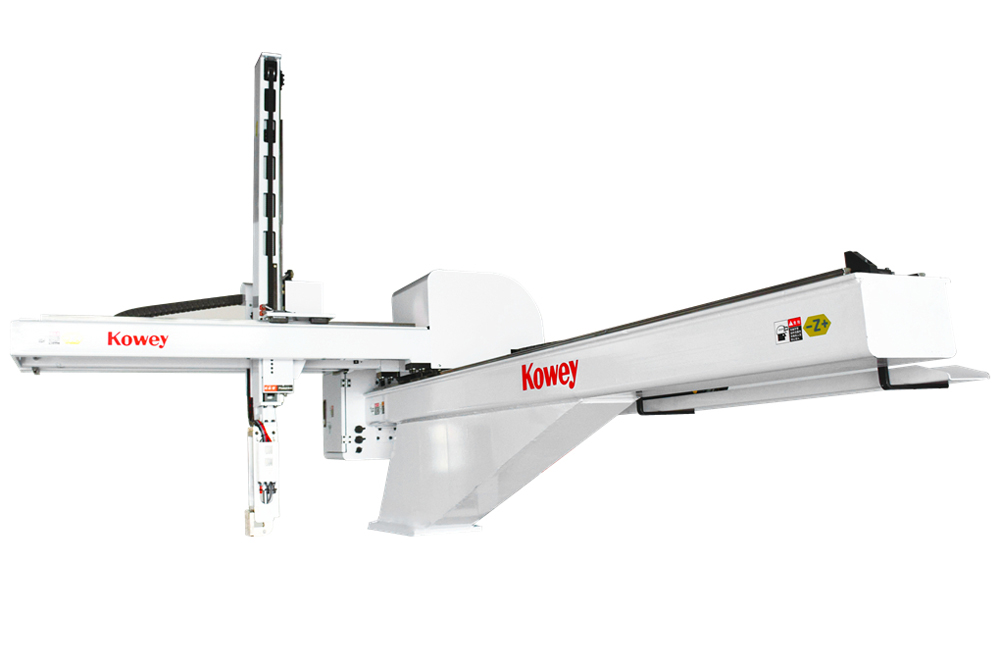
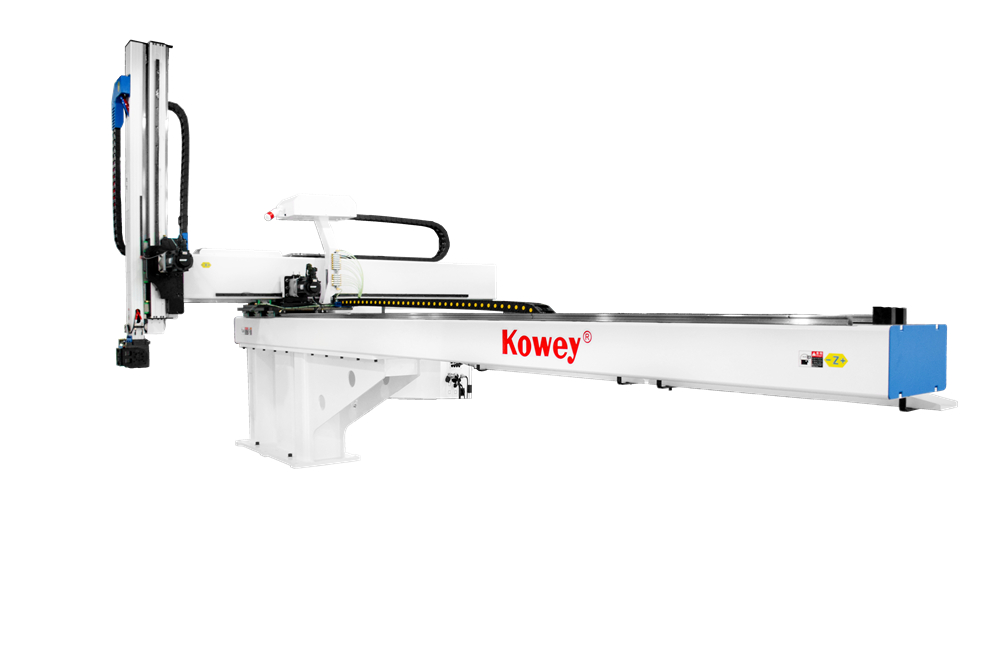
1 Pneumatic Swing Arm Sprue Picker.jpg
Pneumatic Swing Arm Sprue Picker
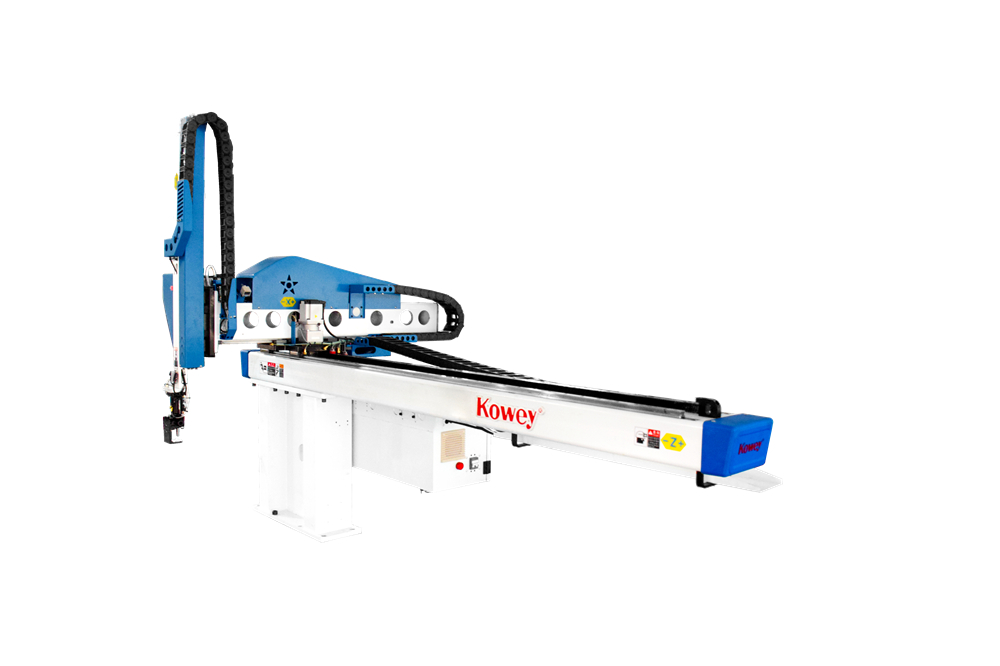
2 High Speed Bull Head Style 3 Axis Full Servo Injection Robot.jpg
High Speed Bull Head Style 3 Axis Full Servo Injection Robot
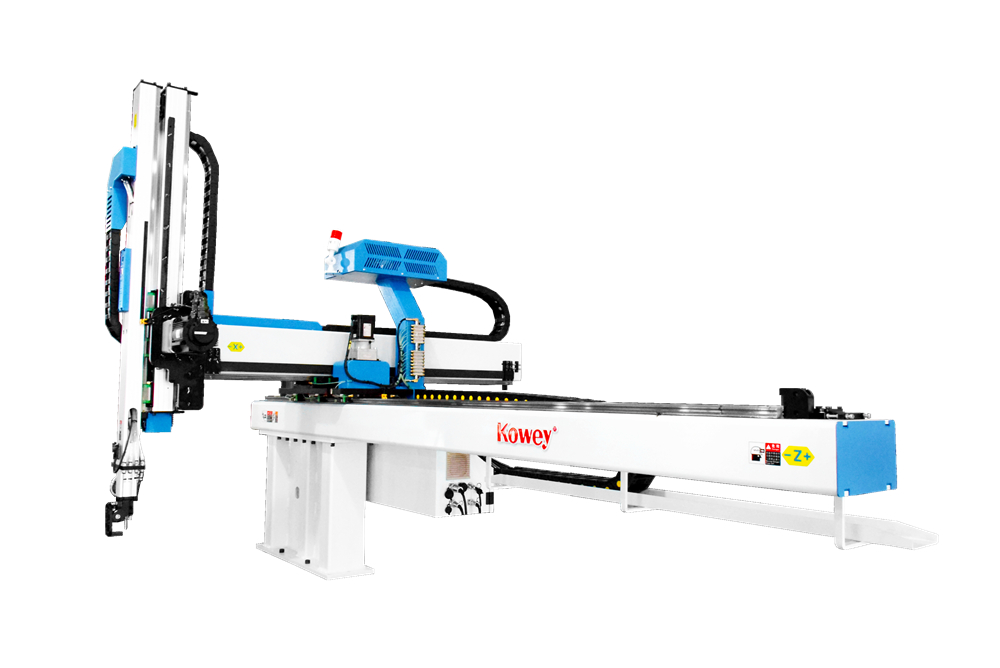
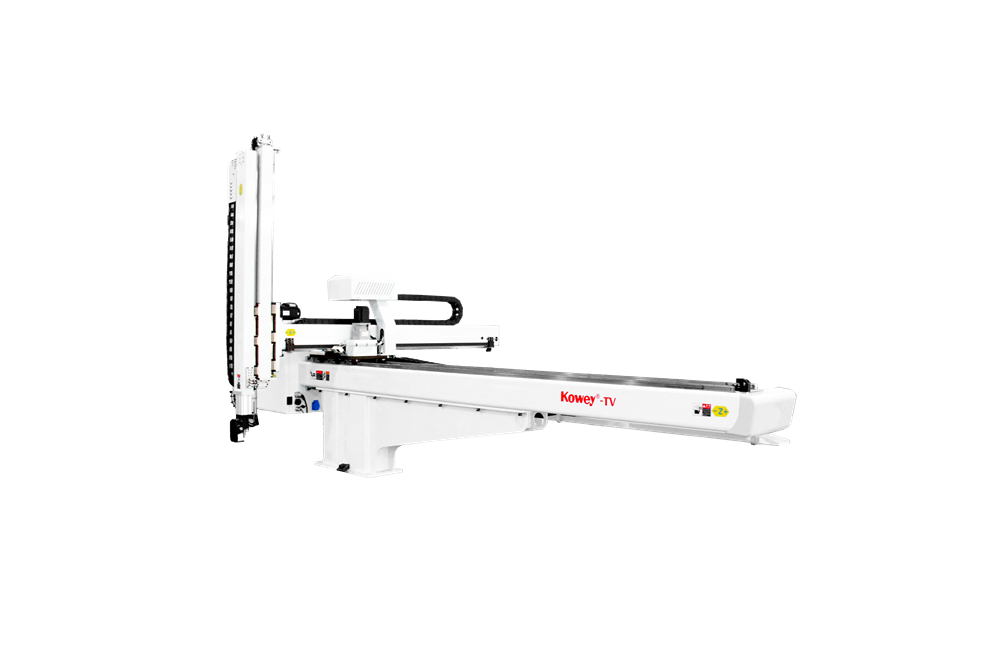
3 Light 5 Axis Double Stage And Double Arm Injection Robot.jpg
Light 5 Axis Double Stage And Double Arm Injection Robot
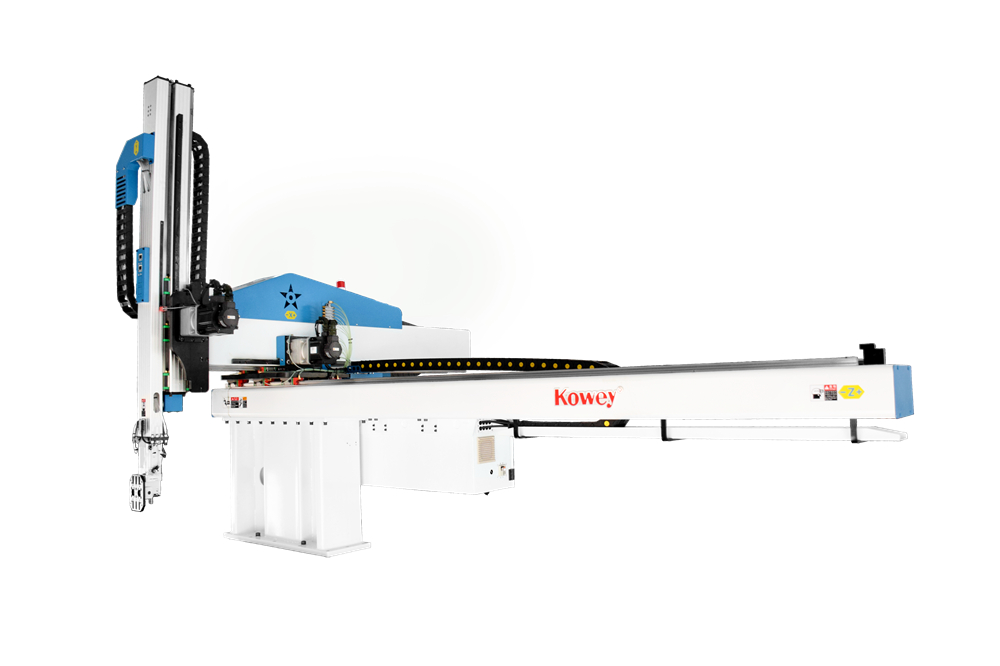
4 Medium 5 Axis Double Stage And Double Arm Injection Robot.jpg
Medium 5 Axis Double Stage And Double Arm Injection Robot
5 700-1100-Light 3 Axis Double Stage And Single Arm Injection Robot.jpg
700-1100-Light 3 Axis Double Stage And Single Arm Injection Robot
5 1300-Light 3 Axis Double Stage And Single Arm Injection Robot.jpg
1300-Light 3 Axis Double Stage And Single Arm Injection Robot
6 Medium 3 Axis Double Stage And Single Arm Injection Robot.jpg
Medium 3 Axis Double Stage And Single Arm Injection Robot
7 1100-1300-Light Bull Head 3 Axis Double Stage And Single Arm Injection Robot.jpg
1100-1300-Light Bull Head 3 Axis Double Stage And Single Arm Injection Robot
7 1500-1900-Light Bull Head 3 Axis Double Stage And Single Arm Injection Robot.jpg
1500-1900-Light Bull Head 3 Axis Double Stage And Single Arm Injection Robot
8 Medium Bull Head 3 Axis Double Stage And Single Arm Injection Robot.jpg
Medium Bull Head 3 Axis Double Stage And Single Arm Injection Robot
9 Large Bull Head 3 Axis Double Stage And Single Arm Injection Robot.jpg
Large Bull Head 3 Axis Double Stage And Single Arm Injection Robot
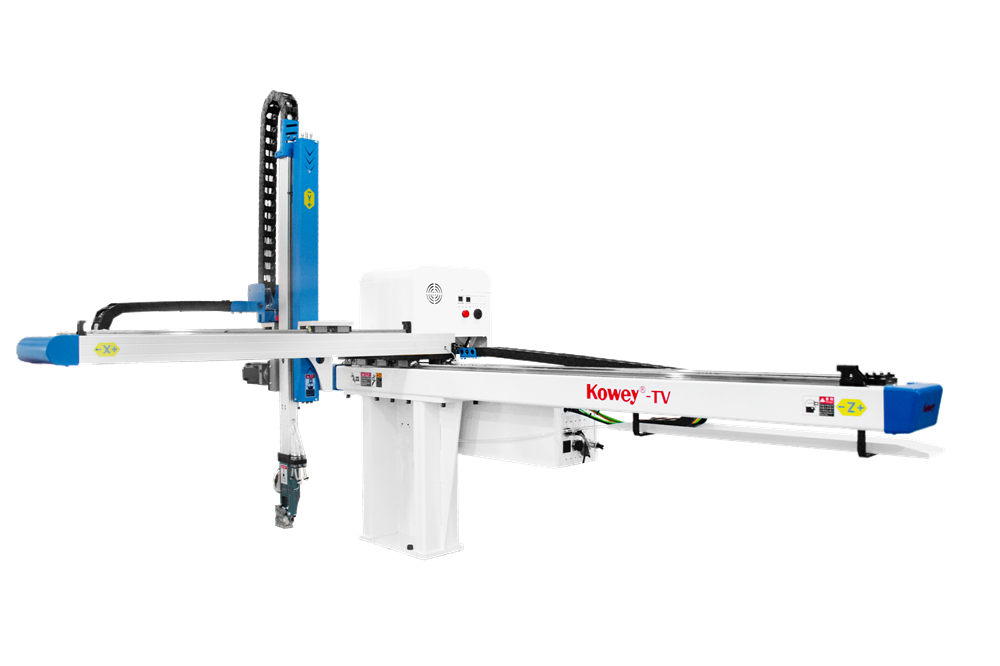
10 TV-3 Axis Full Servo Double Stage And Single Arm Injection Robot.jpg
TV-3 Axis Full Servo Double Stage And Single Arm Injection Robot
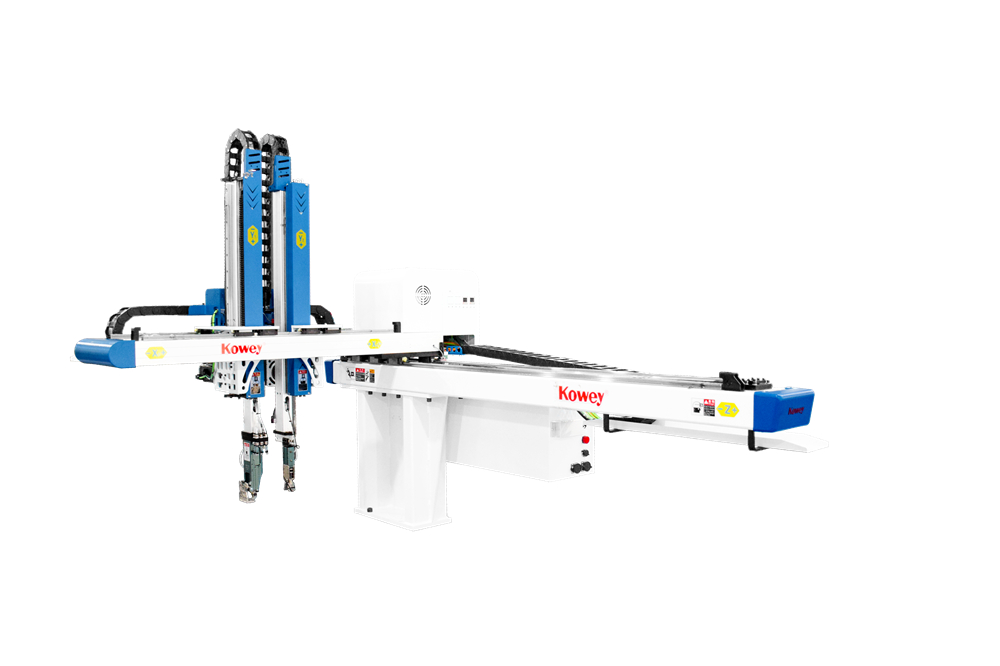
11 TV-5 Axis Full Servo Double Stage And Double Arm Injection Robot.jpg
TV-5 Axis Full Servo Double Stage And Double Arm Injection Robot
12 Bull Head Style 3 Axis Full Servo Double Stage And Single Arm Injection Robot.jpg
Bull Head Style 3 Axis Full Servo Double Stage And Single Arm Injection Robot
13 3 Axis Double Stage Single Arm Compact  Robot.jpg
3 Axis Double Stage Single Arm Compact Robot
14 Space-Saving Robot.jpg
Space-Saving Robot

Engineering Protocol for 5-Axis Workcell Integration

From digital twin cycle simulation to factory acceptance testing (FAT), how professional automation engineers streamline industrial deployment.

Integrating a 5-axis Cartesian robot into an automated manufacturing cell requires rigorous cross-disciplinary engineering spanning mechanical mounting, electrical communication handshakes, and strict safety standard compliance (ISO 10218, ISO 13849-1 Cat. 4 / PL e). The successful turnkey lifecycle incorporates:

Phase 1: Dynamic Load & Inertia Modeling

Calculating dynamic center of gravity and rotational torque across the servo B and C wrist joints based on custom vacuum gripper and sprue nipper weights, avoiding motor overheating and trajectory overshoot.

Phase 2: Euromap & Bus Integration

Wiring standardized 50-pin or 64-pin safety interlocks (Euromap 67 / SPI) alongside real-time Industrial Ethernet (EtherCAT / PROFINET) for live monitoring of mold open position, ejector advance, and safety gates.

Phase 3: Synchronized Digital Twins

Simulating the full travel envelope inside 3D CAD environments to ensure zero physical clash between tie bars, water manifolds, core pull hydraulic cylinders, and EOAT suction cups.

Frequently Asked Technical Questions

Answers to critical questions regarding 5-axis robotics, cell engineering, and injection molding integration.

Q1: How does a 5-axis Cartesian robot differ from a 3-axis robot in injection molding?

A 3-axis robot moves strictly along linear Cartesian axes (X, Y, Z), making it ideal for simple horizontal or vertical part extraction. A 5-axis robot adds two servo-controlled rotary axes (B-axis tilt and C-axis rotation) at the wrist. This allows the end-of-arm tooling to tilt, rotate, and follow complex angles inside molds with undercuts, oblique cores, or deep recesses without requiring complex mold action.

Q2: What communication protocols are standard for robot cell integration?

Our robotic controllers integrate standard injection molding interfaces such as Euromap 67, Euromap 12, and SPI. For advanced factory cells with vision systems, post-processing machines, and SCADA monitoring, we support high-speed fieldbuses including EtherCAT, PROFINET, Ethernet/IP, and Modbus TCP for deterministic data exchange.

Q3: Can 5-axis robots operate in low-overhead or space-constrained facilities?

Yes. Utilizing a double-stage telescopic vertical arm design, the vertical arm collapses in sections during the upward stroke. This cuts the overall vertical height requirement nearly in half compared to single-stage masts, enabling deployment in manufacturing facilities with low ceiling clearances or overhead crane interference.

Q4: How does 5-axis integration improve overall equipment effectiveness (OEE)?

5-axis integration boosts OEE across three pillars: Availability (eliminating manual operator shift changes and reducing unplanned downtime), Performance (optimizing mold open times and running high-speed, repeatable cycles), and Quality (ensuring parts are gently transferred without drop damage or cosmetic marking while enabling 100% inline automated optical inspection).