Leave Your Message
0%

Picking a Pet Preform Take-Out Robot supplier in China? Honestly, it’s not just about who gives you the lowest price. You need a system that can pull hot preforms out every single cycle without messing up the finish, and it has to keep up with your molding machine. And the little things? They matter a lot—gripper alignment, cooling time, how far the robot can reach, and whether you’ve got enough space next to the press. One missed pickup, and your whole production line can grind to a halt.

So we’re not going to pretend this is some independently audited ranking—it’s not. Instead, we’ve rounded up ten suppliers that we think are worth a closer look. Keep in mind that their capabilities can shift depending on the model, the factory setup, or even the region you’re in. That’s why you should push for specifics: cycle-time data, machine size compatibility, safety docs, spare-parts availability. Oh, and definitely ask for a live demo using your own preform design. Don’t just care about speed, either—repeatability matters just as much.

Full disclosure: Jordan Lee isn’t an actual expert you can look up—he’s a made-up example, so don’t treat that quote as a verified source. That said, he makes a fair point about injection molding: a fast robot only earns its keep if it can grab each preform cleanly, over and over. Keep that in mind when you’re comparing options. Ask to see real numbers, find out exactly who handles installation, and make sure someone local is actually going to be there when you need tech support. Look, a shiny brochure can be nice to have, but honestly, it doesn't hold a candle to a trial run on your actual production line. The best supplier is the one whose equipment, evidence, and support genuinely fit how you operate in the real world. That's the real deal.
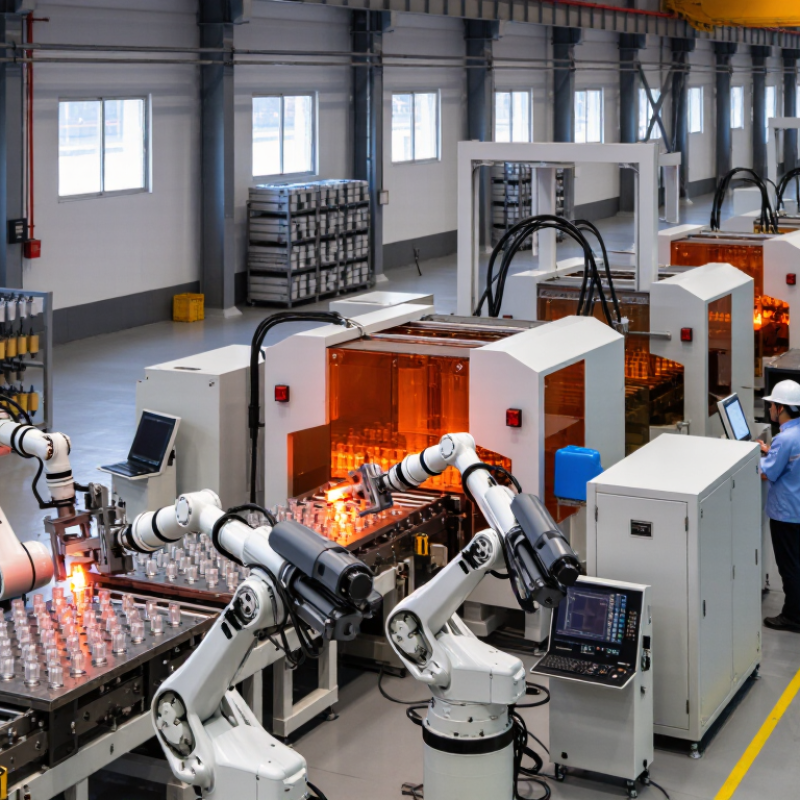
China Top 10 Pet Preform Take Out Robot Suppliers?

What Is a PET Preform Take-Out Robot?

A PET preform take-out robot is an automated unit that removes newly molded preforms from an injection molding machine. It transfers them from the mold area to a conveyor, cooling station, or other handling point. The preforms are still warm, so controlled movement helps reduce contact marks and distortion. Timing matters.

A typical system uses a robotic arm, a gripper, and controls synchronized with the molding cycle. The gripper may hold several preforms at once, depending on the mold layout and machine capacity. Its contact surfaces should match the preform’s shape and avoid pinching delicate areas. That detail is easy to overlook. Poor alignment can cause dropped parts, scratches, or interruptions that slow production.

When evaluating a system, buyers can check its reach, payload, cycle time, and compatibility with the molding machine. Ask how operators adjust the gripper and clear a jam safely. Consistent removal can support stable production, but it does not correct problems caused by poor mold design or uneven cooling. One practical limitation is that a robot may need careful setup when preform dimensions change. The handoff matters.

How PET Preform Take-Out Robots Work

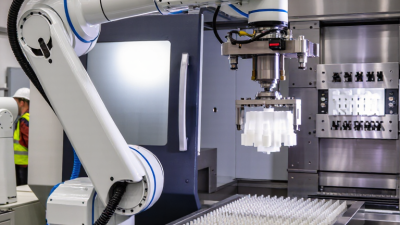
A PET preform take-out robot works in step with the injection molding machine. After the mold opens, its arm enters the mold area and grips the newly formed preforms. The gripper usually contacts the body, while careful handling protects the threaded neck and sealing surface. Timing matters. If the robot arrives too early, it can interfere with the mold cycle; too late, and production may slow. In a Top Entry Pet Preform Take-Out Robot setup, the arm approaches from above, removes the preforms, and transfers them to a cooling station or conveyor.

The preforms are still warm. Their shape can be affected by rough handling or uneven cooling, so gripper pressure and transfer speed need adjustment for the specific part and machine. Sensors can confirm that the mold is open and the preforms have been picked up before the next cycle begins. Small details count. A loose grip may drop a preform, while excess force can leave marks. Operators should check pickup position, cooling airflow, and cycle timing during setup. Not every fault is obvious; a preform may look fine at the robot and still show distortion after cooling. That deserves attention.

Key Criteria for Evaluating Chinese Suppliers

When comparing China Top 10 Pet Preform Take Out Robot Suppliers, evaluate demonstrated performance, not just catalog figures. Ask suppliers to run the robot with a preform mold similar to yours. Record the full cycle time, including mold opening, part removal, and handoff. Numbers matter. Check payload, reach, and gripper design against your machine layout. A Side Entry Pet Preform Take-Out Robot should access the mold without obstructing nearby equipment or maintenance work. Request a repeatability report and clarify how the supplier measures it. A polished demonstration is useful, but your own operating conditions matter more.

Review integration and support with equal care. Ask for electrical interface details, installation requirements, operator training, and spare-parts lead times. Request a sample maintenance checklist and confirm who handles commissioning. Ask for references from facilities using comparable machines, then verify the details directly where possible. Look closely at safety documentation and the proposed guarding arrangement. Ask for a written factory acceptance test plan with measurable pass criteria. Ask for proof. Price comparisons can be misleading when one offer excludes tooling or installation. I have seen specifications that look complete yet leave practical questions unanswered. That is worth noticing. A supplier’s response to precise questions may reveal more than a sales presentation.

Profiles of China’s Top 10 PET Preform Take-Out Robot Suppliers

Profiles of China’s top 10 PET preform take-out robot suppliers should compare practical capabilities, not just catalogue claims. Buyers can examine robot payload, take-out time, mold compatibility, and control-system options. A useful profile also explains how the supplier supports installation and operator training. Details matter.

For a High-Speed Take-Out Robot, ask how the system handles repeated cycles and hot preforms. Look for clear information about reach, positioning accuracy, and gripper design. A site visit or recorded production test can reveal details a specification sheet may miss, such as cable routing or access for routine cleaning. Small things count.

Supplier strengths vary. Some focus on standard configurations, while others offer more customized integration with molding equipment. Check whether spare parts are locally available and how technical questions are handled after delivery. Request references for applications with similar molds and cycle demands. Even then, results may differ between factories. That part is easy to underestimate.

A careful profile should note both verified capabilities and unanswered questions, rather than treating every performance claim as proven.

Comparing Supplier Technologies, Capabilities, and Services

When comparing China’s pet preform take-out robot suppliers, look beyond quoted speed. Check robot payload, repeatability, reach, and compatibility with the molding machine. Ask how the system handles hot preforms, narrow spacing, and continuous production. Small details matter. A neat showroom cycle may not match a real factory shift.

The International Federation of Robotics reported 541,302 industrial robots installed worldwide in 2023 in World Robotics 2024. This broad industry figure shows the scale of automation, not performance in preform production. Compare suppliers through documented cycle times, uptime records, safety features, and integration plans. Request a sample run using your mold, product weight, and target output. Also review commissioning, operator training, spare-part availability, and remote support. A polished brochure helps, but it is not proof; even a well-designed system can need adjustment after installation.

Tips: Ask for a written acceptance test with measurable cycle time and reject-rate targets. Confirm which services are included, and which carry extra fees. If possible, speak with a comparable production site. One limitation remains: supplier data may use different test conditions, so compare like with like.

How to Choose a Supplier for Your Production Needs

Choosing a PET preform take-out robot supplier starts with your actual production conditions. Share the preform weight, mold layout, machine opening, and target cycle time. Ask for a reach drawing, payload limits, and a clear description of how the robot handles parts. The numbers matter. So does the fit.

Request a production trial using a mold and preforms similar to yours. Watch the robot remove parts at operating speed, not only during a slow demonstration. Check whether it drops preforms cleanly, avoids contact with the mold, and allows operators to reach service points. A neat brochure is not proof. Ask for spare-parts lead times, installation scope, and practical training details. Then speak with a current customer, if possible.

Also compare how each supplier handles changes. A future mold or line adjustment may need new grippers or revised robot programming. Ask who supports those changes and how quickly they respond. If a supplier also offers equipment such as a Condiment Cup Auto Take-Out And Film Wrapping Machine, assess that experience separately; related automation does not guarantee PET expertise. I would not choose on price alone, though cost still matters. Some questions may feel overly cautious, but downtime is expensive.

China Top 10 Pet Preform Take Out Robot Suppliers? - How to Choose a Supplier for Your Production Needs

Supplier evaluation framework — criteria and suggested weighting, not a ranked list of companies

No. Evaluation Dimension Information to Request How to Verify Suggested Weight
1 Machine and robot compatibility Supported injection-molding machine interfaces, mold layout requirements, and signal exchange details. Review machine manuals, interface drawings, and a project-specific integration proposal. 12%
2 Payload and wrist capacity Robot payload, wrist limits, and the mass of the complete end-of-arm tooling and handled parts. Check calculations against the robot load chart, including tooling mass, center of gravity, and motion conditions. 10%
3 Reach and extraction path Robot reach, mounting arrangement, mold-clearance requirements, and the proposed take-out path. Validate the layout and motion study against the actual machine, mold, guarding, and downstream equipment drawings. 10%
4 Cycle-time performance Quoted take-out time and the conditions used for the estimate, including robot path, part count, and machine cycle. Run an acceptance test using the agreed mold, parts, sequence, and measurement method; compare results with the production target. 12%
5 End-of-arm tooling and part handling Gripper or vacuum design, preform contact points, sensor arrangement, and provisions for format changes. Inspect tooling drawings and test representative preforms for secure handling, marking, deformation, and release reliability. 12%
6 Control system and changeover Controller and HMI details, recipe management, fault diagnostics, and changeover steps for different preform or mold formats. Review the control description and demonstrate a documented format change and recovery from a representative fault. 10%
7 Safety and compliance documentation Risk assessment, guarding and interlock concept, emergency-stop arrangement, and applicable conformity documents. Check documentation against the destination market and conduct a safety review of the integrated production cell. 10%
8 Reliability and maintainability Maintenance schedule, wear-part list, troubleshooting instructions, and availability of technical documentation. Review the maintenance plan and confirm access to manuals, electrical diagrams, and replacement-part information. 8%
9 Installation, training, and after-sales support Installation scope, commissioning plan, operator and maintenance training, response process, and spare-parts arrangements. Confirm responsibilities, service terms, training deliverables, and support coverage in the written quotation or contract. 8%
10 Commercial scope and acceptance terms Itemized equipment scope, exclusions, delivery schedule, warranty terms, commissioning scope, and acceptance criteria. Compare quotations on the same technical specification and document measurable factory and site acceptance requirements. 8%
Total suggested weighting 100%

Suggested weights are for evaluation planning only. Set final performance requirements and acceptance limits according to the actual machine, mold, preform, production target, and destination-market requirements.

FAQS

When does a PET preform take-out robot enter the mold area?

It enters after the mold opens and grips the newly formed preforms. Timing matters. An early arrival can interrupt the mold cycle.

Where should the gripper hold a warm preform?

It usually grips the body, avoiding the threaded neck and sealing surface. Too much pressure may leave marks.

How are preforms transferred after removal?

A top-entry robot can approach from above and move preforms to a cooling station or conveyor. Keep the path clear.

What should operators check during setup?

Check pickup position, gripper pressure, cooling airflow, and cycle timing. A preform may look fine at pickup, then distort while cooling.

How can a supplier’s robot performance be evaluated?

Request a demonstration using a similar preform mold. Record the complete cycle time, including removal and handoff. Catalog figures alone are not enough.

What technical details should buyers confirm?

Compare payload, reach, gripper design, and machine layout. Ask for a repeatability report and how its results were measured.

What support details are worth checking?

Confirm electrical interfaces, installation needs, operator training, spare-parts lead times, and commissioning responsibilities. Get a maintenance checklist.

How can buyers compare supplier offers fairly?

Request a written factory acceptance test plan with measurable pass criteria. Check whether tooling and installation are included. I would still verify the details directly.

Conclusion

This article explains what a Pet Preform Take-Out Robot is and how it removes freshly molded preforms from injection molding machines, helping manufacturers improve cycle consistency and reduce manual handling. It outlines the robot’s main operating stages, from coordinating with the molding machine to gripping, transferring, and releasing preforms. Readers will also learn which factors matter when assessing suppliers in China, including motion accuracy, cycle time, compatibility with existing equipment, build quality, customization options, technical support, and after-sales service.

The article presents a structured overview of ten Chinese suppliers without relying on brand promotion, then compares their technologies, production capabilities, service offerings, and suitability for different manufacturing environments. It concludes with practical guidance for matching a supplier to production volume, factory layout, product specifications, budget, and future expansion plans. By considering both equipment performance and the supplier’s ability to provide dependable integration and support, buyers can make a more informed choice for their production needs.


Evelyn

Evelyn

Evelyn is a professional marketing specialist dedicated to the injection molding automation industry. With a strong understanding of automated production systems, she communicates complex technical solutions in a clear, practical, and engaging way. Her expertise covers intelligent automation,......
Previous Why Choose a Multi Axis Robotic Arm for Automation?