
Leave Your Message
-
Contact Phone
-
 Contact Email
Engineered for extreme cycle times, seamless integration with European injection molding machines (such as Engel and Wittmann Battenfeld), and engineered to address the demanding technical standards of the Alpine manufacturing heartland.
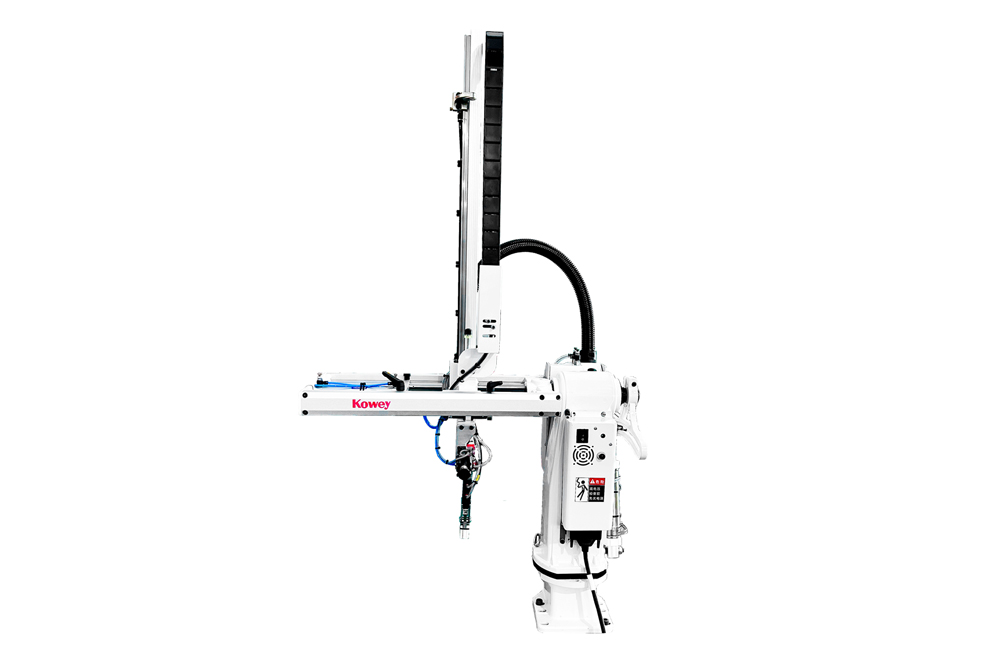
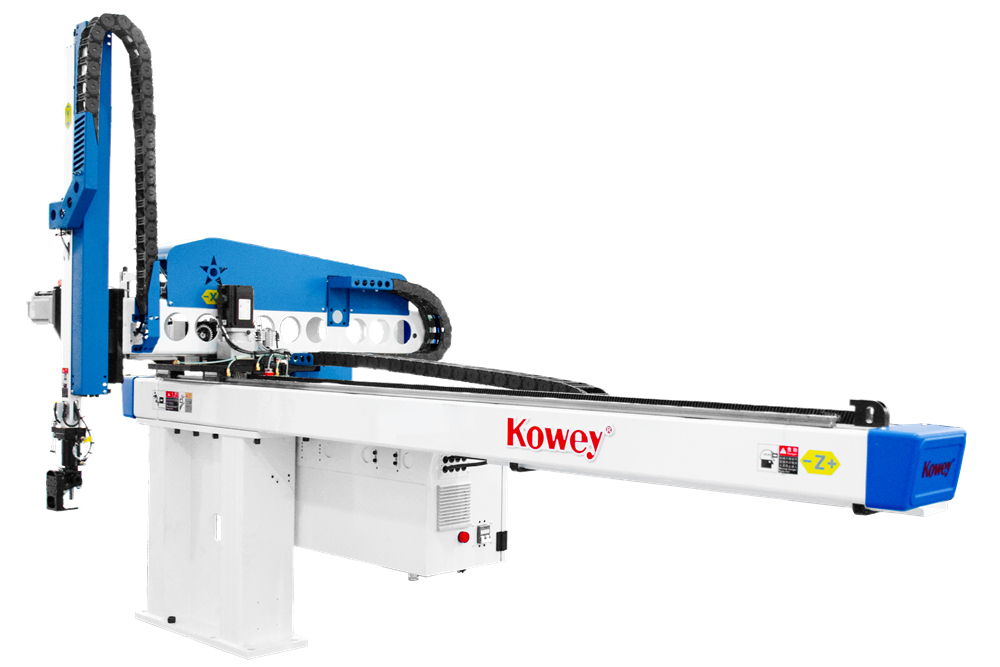
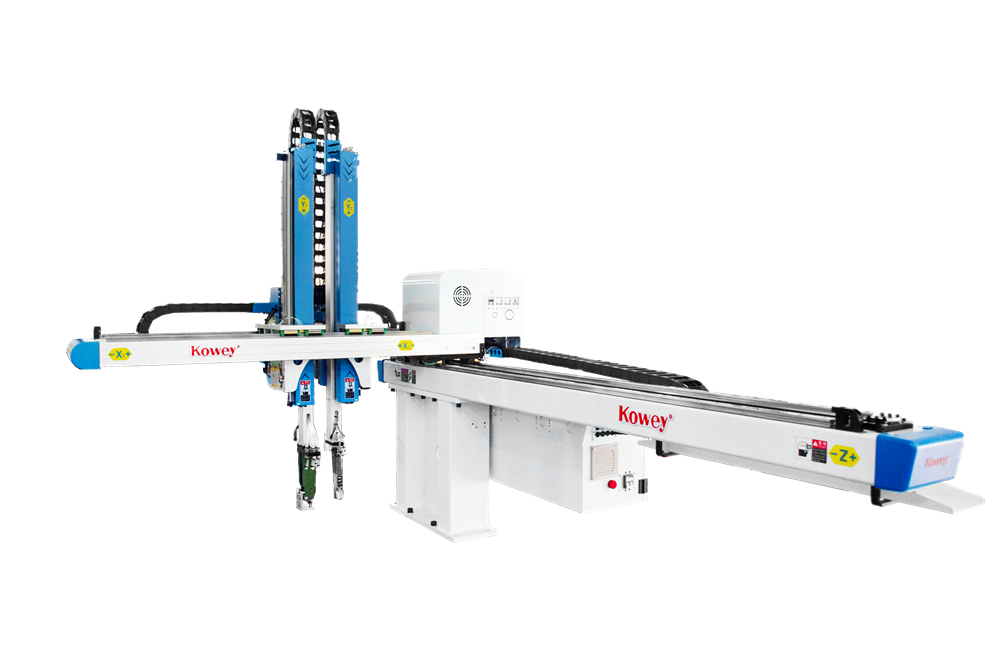
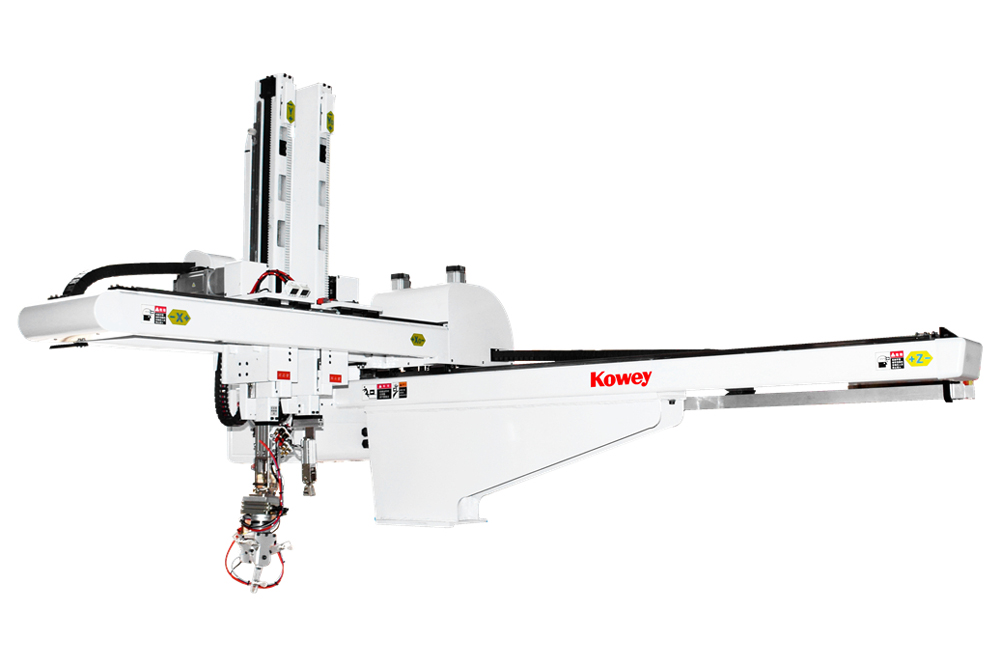
The Republic of Austria stands as one of the world's most sophisticated epicenters for plastics processing, toolmaking, and polymer engineering. From Upper Austria's plastics cluster (Kunststoff-Cluster) to Vorarlberg's high-tech consumer packaging centers, Austrian converters are recognized for their obsession with precision, energy efficiency, and strict regulatory adherence. In this highly competitive ecosystem, our advanced China In-Mold Labeling (IML) systems are bridging the gap between world-class agility, rapid technological customizability, and cost-effective total lifecycle investment.
Austrian injection molders encounter continuous pressure from both domestic and European Union mandates to transition toward fully circular packaging infrastructures, mono-material barrier protection, and lightweight thin-wall designs. To succeed in this landscape, In-Mold Labeling systems can no longer be simple pick-and-place electro-pneumatic rigs. They must function as cyber-physical production units capable of multi-axis synchronization within sub-second time frames, high electrostatic label charging, vision inspection verification, and frictionless handoffs to downstream automated stacking and cartoning machinery.
Austria boasts pristine alpine dairy brands requiring ultra-hygienic, tamper-evident polypropylene cups, butter tubs, and cheese containers. Our side-entry IML systems handle wrap-around, 5-sided, and cross-bottom barrier labels with 100% pinhole detection and optical vision quality control.
Designed for heavy-duty round and rectangular paint, chemical, and building material pails. We deliver heavy payload servo-driven arms capable of accurate electrostatic label transfer for large containers up to 30 liters with in-mold handle assembly.
Custom-engineered cleanroom-compatible robotic architectures meeting ISO 14644-1 (Class 7 and 8) specifications. Integrated servo axes minimize particulate discharge while guaranteeing micro-positioning accuracy for medical pipettes, petri dishes, and lab diagnostic consumables.
The contemporary plastics sector in Austria does not merely demand machines; it demands intelligent manufacturing ecosystems. As Austrian processors respond to skyrocketing domestic energy costs and stringent European carbon emission penalties, our next-generation China In Mold Labeling systems are engineered to integrate regenerative kinetic braking systems and low-inertia carbon-fiber composite arms. By reducing the physical mass of the rapid entry shuttle arm, mechanical stress on the primary injection molding machine platen is significantly minimized, reducing hydraulic or electrical peak loads across 24/7 continuous cycles.
Furthermore, our automation frameworks utilize global interface standards including EUROMAP 67 and EUROMAP 73 (alongside modernized OPC UA / Euromap 77 protocols). This ensures that whether your production plant in Lower Austria utilizes brand-new tie-bar-less molding equipment or retrofitted high-speed hydraulic presses, our IML robotics connect seamlessly. Control units can be accessed securely via encrypted industrial VPN for remote monitoring, telemetry, and automated diagnostics, directly backed by bilingual application engineering teams.
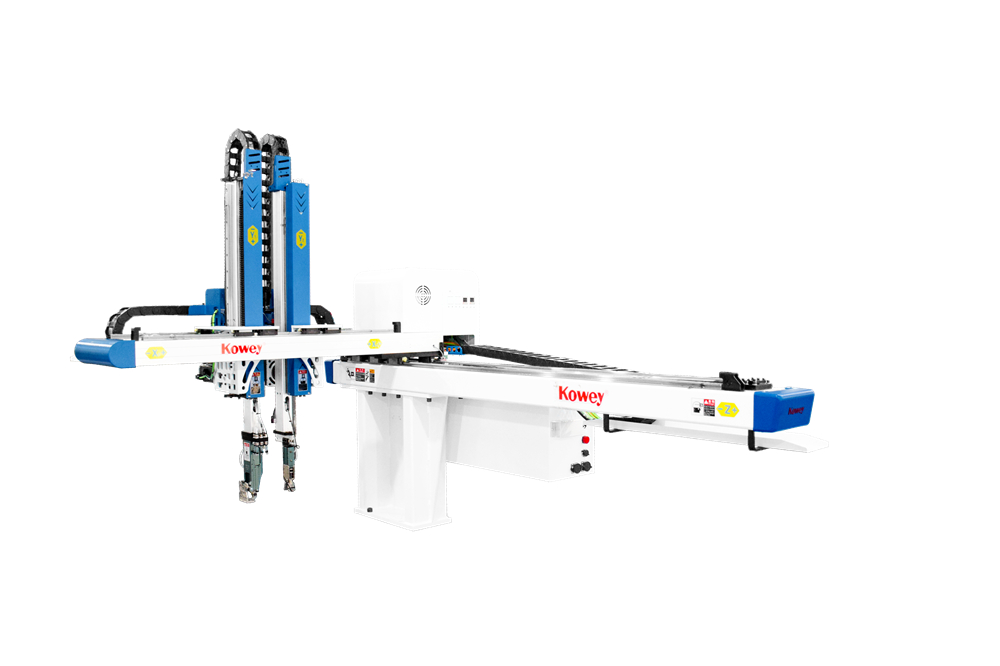
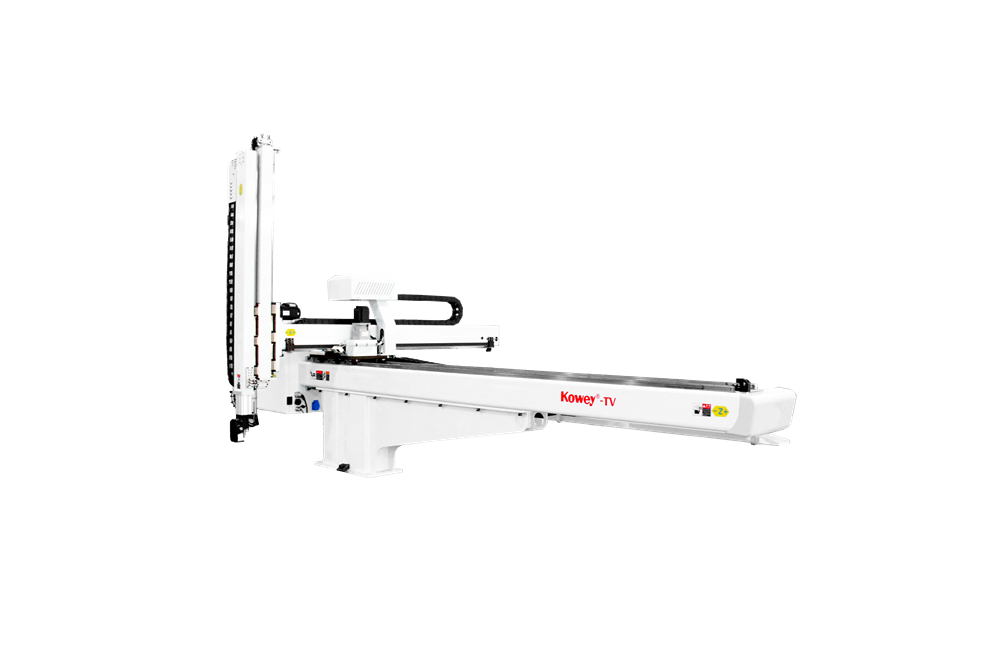
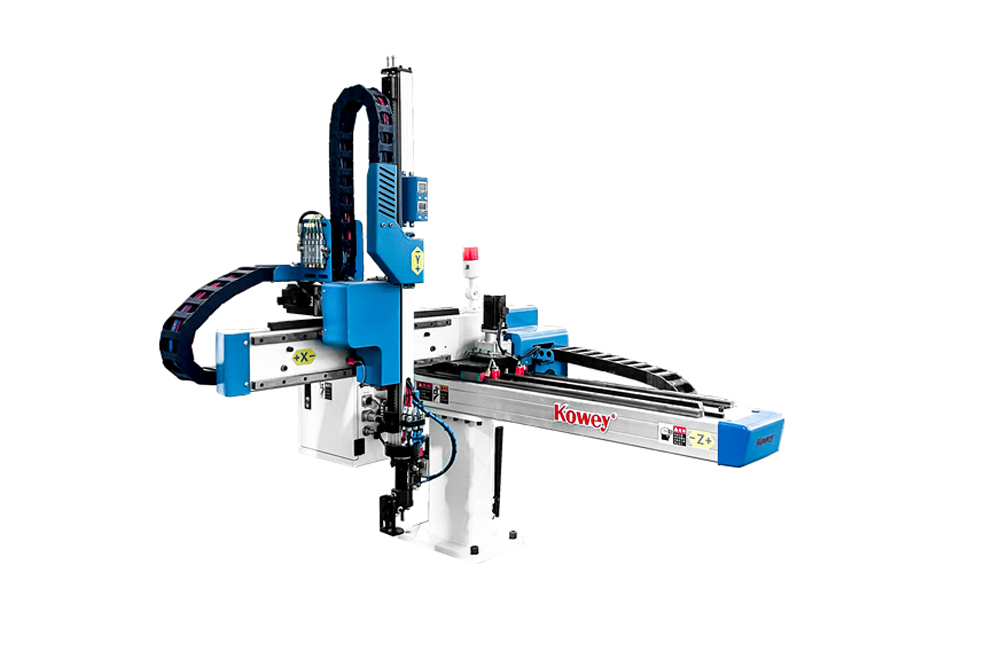
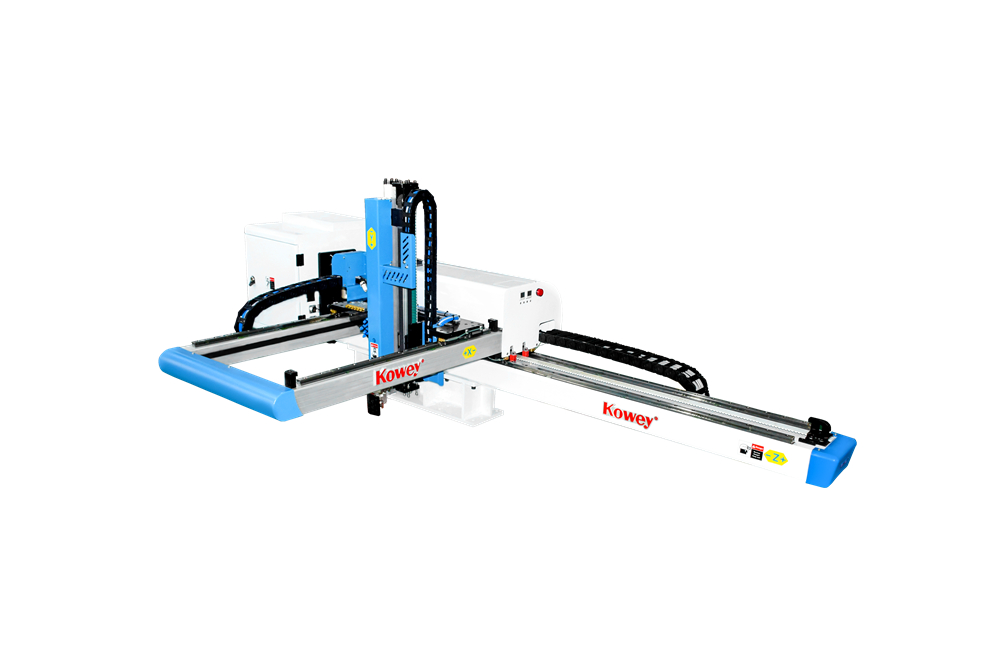
Discover our comprehensive lineup of top-entry, bull-head, and multi-axis servo manipulators serving injection molding facilities throughout Central Europe.
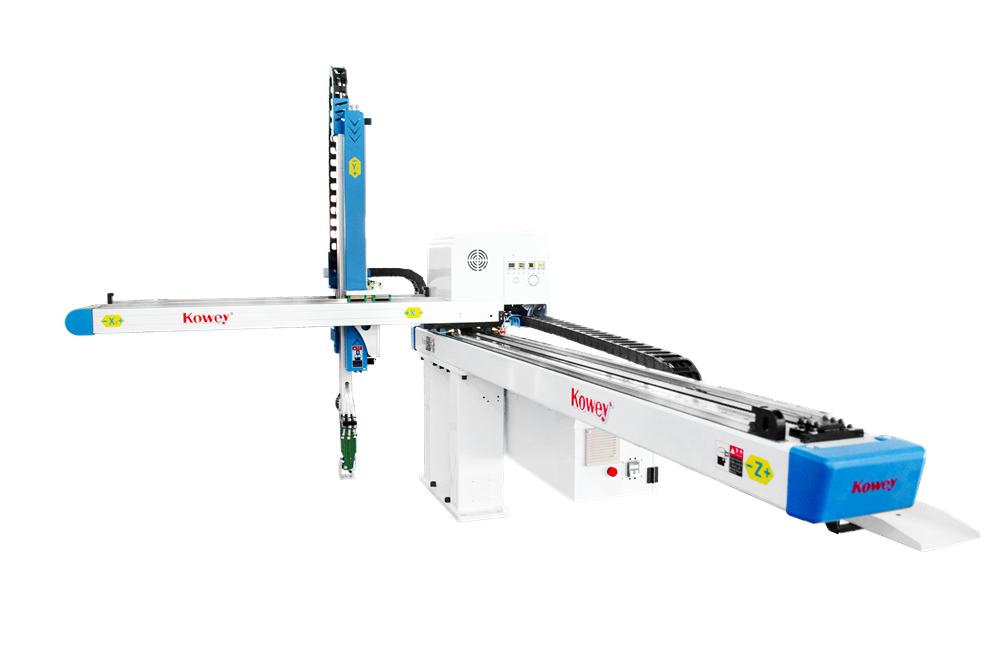
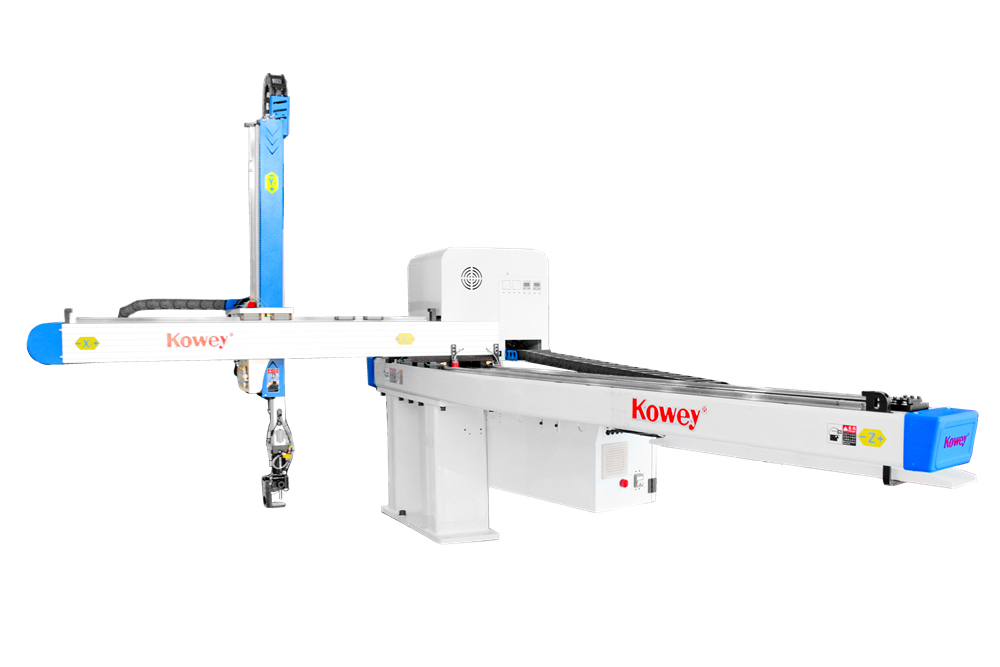
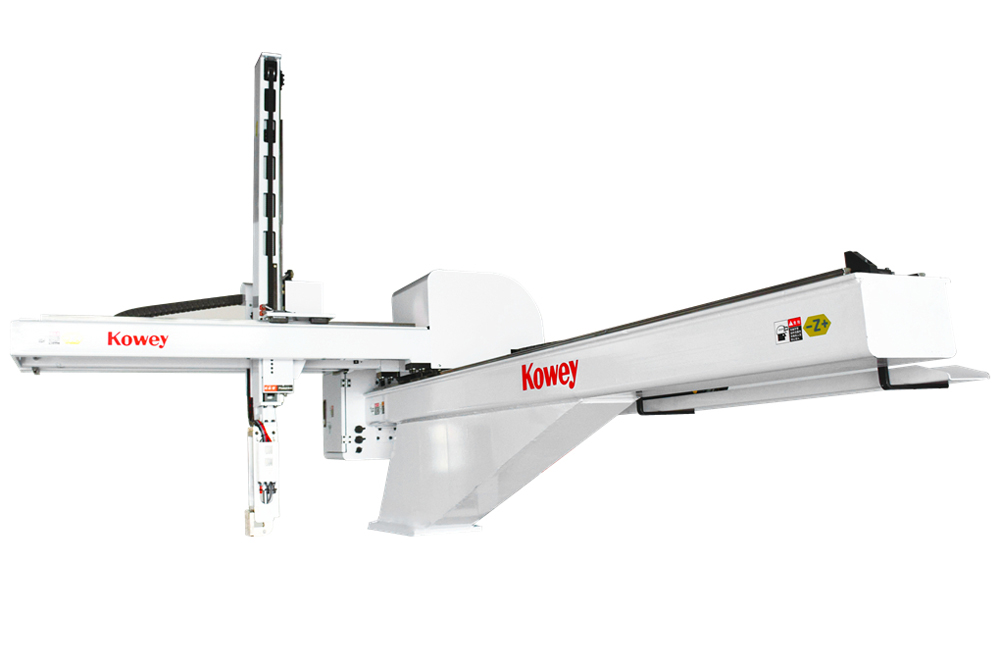
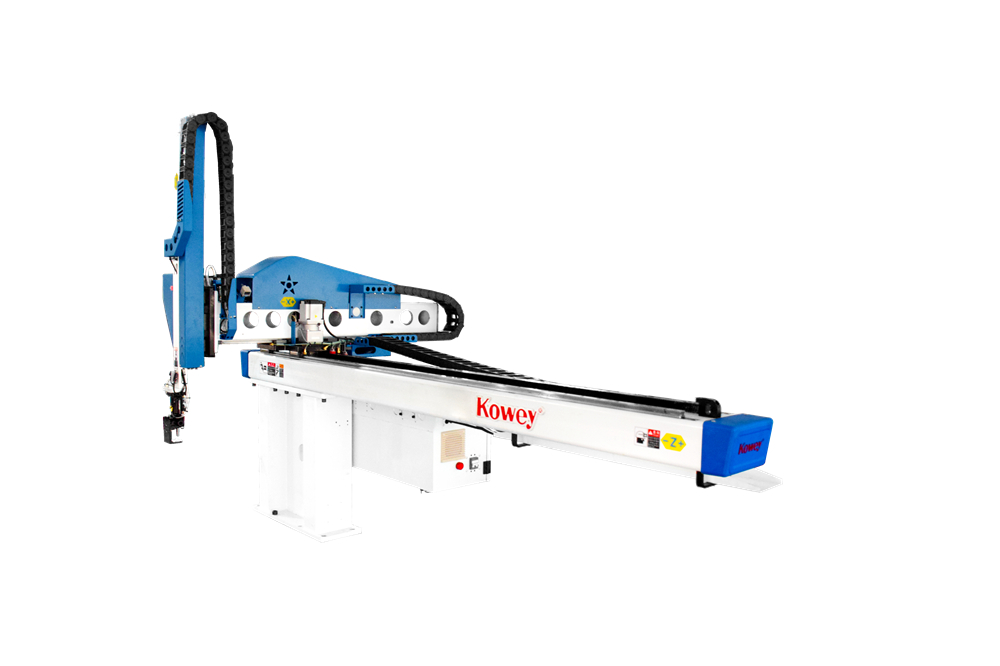
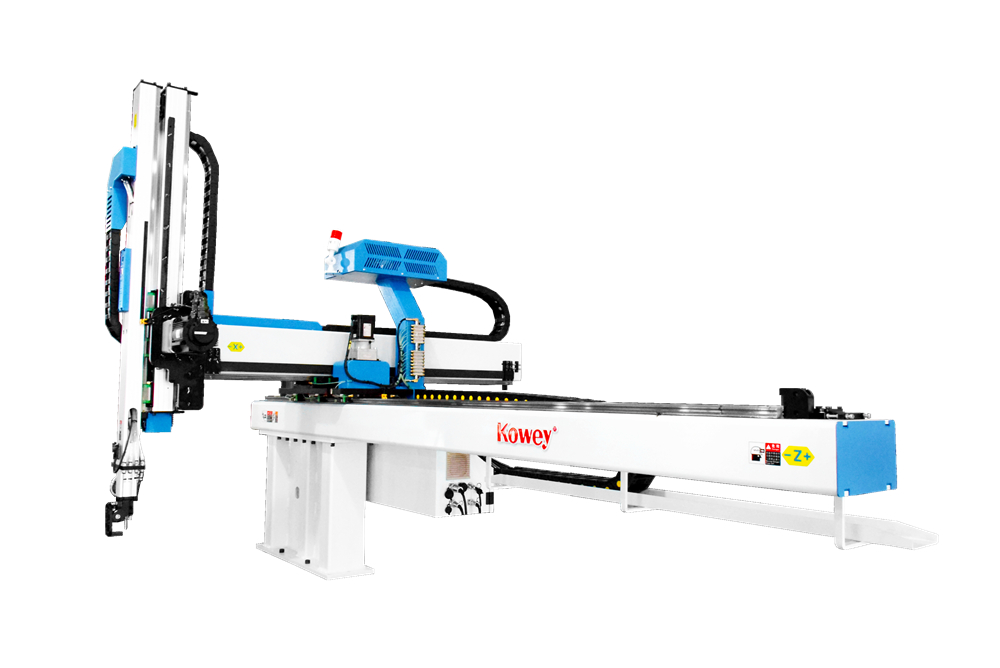
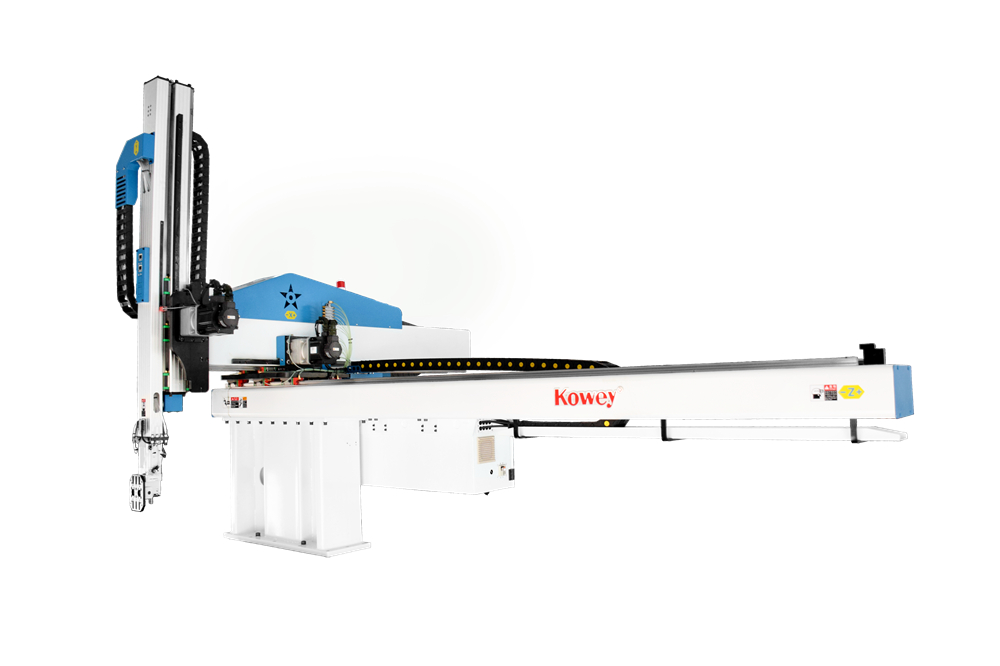
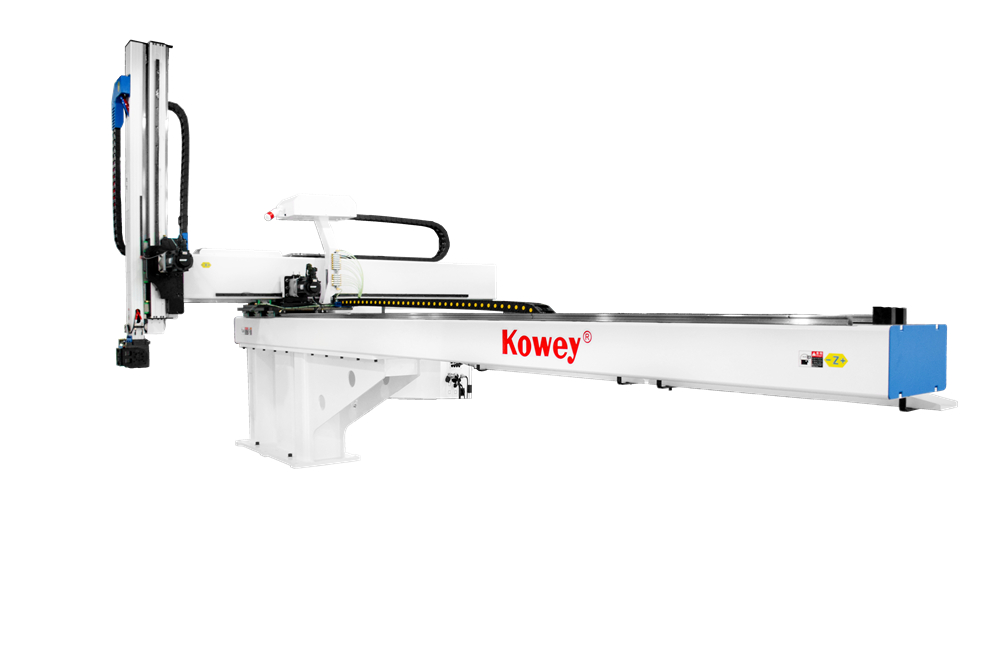
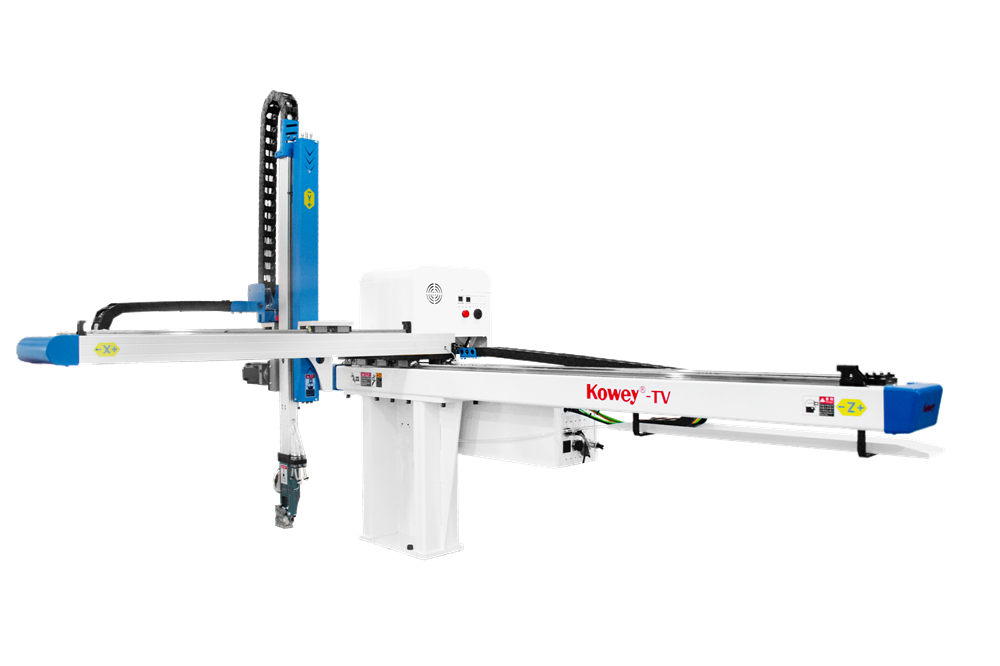
The Packaging and Packaging Waste Regulation (PPWR) passed by the European Parliament establishes stringent mandates for packaging recyclability by 2030. In Austria, where environmental stewardship is governed by strict federal standards (such as the Verpackungsverordnung), In-Mold Labeling offers a definitive strategic advantage over direct printing, adhesive paper stickers, or multi-material sleeves. Because the IML label is produced using identical polymer structures (predominantly 100% pure PP or PE) as the injected container body, the resulting packaging is classified as 100% mono-material, qualifying for Grade-A mechanical sorting in Austria's ARA (Altstoff Recycling Austria) collection streams.
Our automation engineering guarantees bubble-free, static-charged positioning that eliminates structural delamination during downstream recycling grinding. By partnering directly with our manufacturing facilities, Austrian plastic molders gain direct access to turnkey IML workcells—including custom end-of-arm tooling (EOAT), multi-channel electrostatic charging generators, dummy-core label magazines, vision rejection gates, and automated stacking nesting jigs—at a capital expenditure point that dramatically accelerates ROI without compromising on cycle stability or CE-certified European safety requirements.
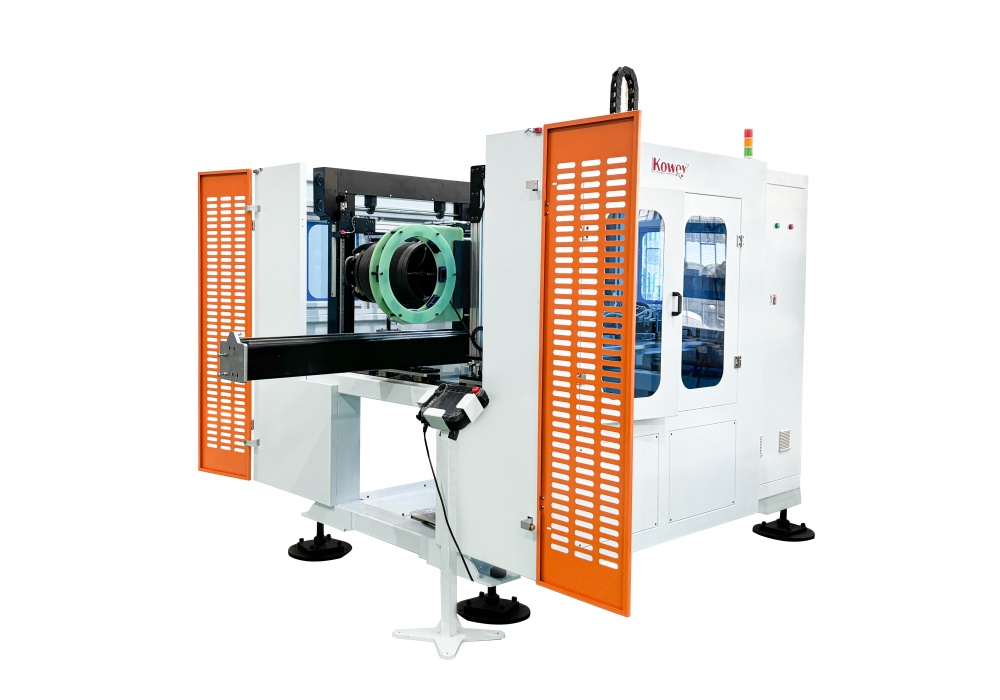 Side Entry IML System (High Speed Austria Standard Series)