
Leave Your Message
-
Contact Phone
-
 Contact Email
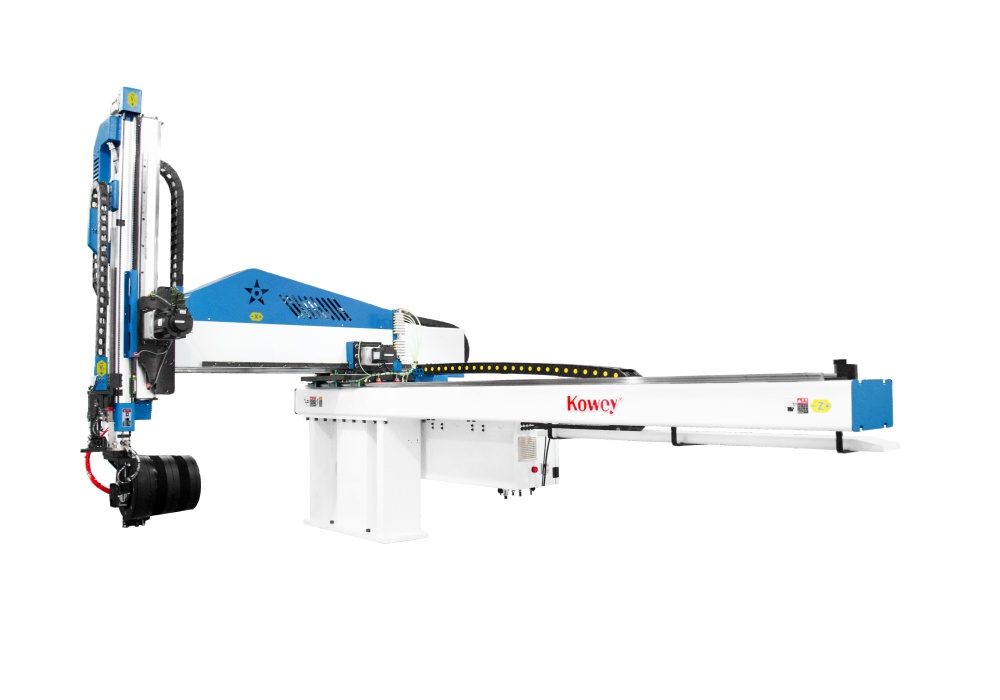
Engineered for ultra-fast take-out, rigid precision handling, and minimal dry cycle times.
The contemporary plastics processing industry operates under relentless competitive pressure defined by compressed margins, soaring labor expenditures, and soaring performance expectations for part accuracy. Injection molding operations worldwide are systematically transitioning away from manual part extraction and basic pneumatic swing arms toward fully integrated, multi-axis servo robotics. Among these, the high-speed three-axis robot for injection molding automation has emerged as the definitive global benchmark for high-cadence production lines.
Traditional operations that depend on gravity drop or human extraction face persistent disruptions: high scrap rates caused by erratic demolding times, cosmetic damage as parts bounce against the tie-bars or conveyors, and unacceptable process instability. In contrast, three-axis cartesian robots powered by synchronized AC servo motors provide absolute repeatability within ±0.1mm. This mechanical certainty stabilizes the thermal equilibrium of the mold itself. Because the robot opens and clears the mold platen in fractions of a second, the mold open time (dry cycle) remains consistent down to the millisecond, mitigating core overheating, mold warpage, and erratic cycle fluctuations.
Kinematic path optimization and lightweight telescopic structural profiles permit ultra-fast mold entry, secure part grip, and mold exit in under 0.8 seconds, eliminating thermal variation in precision tooling.
Unplanned downtime is sharply curtailed by eliminating operator handling risks, preventing mold closing collision incidents, and sustaining 24/7 continuous high-output automation.
Universal plug-and-play machine architecture compliant with Euromap 67 and Euromap 12 ensures seamless digital synchronization with injection molding machinery from 50 to 4,000 tons.
The evolution of high-speed three-axis injection molding robots is underpinned by innovations in mechanical metallurgy, structural topology optimization, and dynamic servo drives. Modern units utilize high-tensile extruded aviation aluminum beams paired with linear recirculating ball guideways. By minimizing the moving mass on the vertical (Z-axis) and transverse (X-axis) arms through finite element analysis, manufacturers achieve blistering accelerations exceeding 40 m/s² without sacrificing structural rigidity or inducing harmonic vibrations at the end-of-arm tooling (EOAT).
A transformative development in contemporary robotics is intelligent energy regeneration. As high-speed servo axes decelerate upon entering or clearing the mold, kinetic energy is harvested and routed back into internal bus systems, slashing aggregate electrical draw across around-the-clock runs. Concurrently, software algorithms employ vibration suppression filtering, eliminating tip deflection during rapid part deposition onto downstream conveyors or automated post-cooling indexing stations.
Medical Consumables & Cleanroom Molding: In the manufacture of syringe barrels, pipettes, and Petri dishes, high-speed three-axis robots equipped with cleanroom-certified enclosures and anti-static pneumatic pickers extract high-cavitation matrices (up to 96 cavities) without particulate contamination, immediately depositing components into sterile inspection cells.
Thin-Wall Packaging: For dairy tubs, beverage cups, and fast-food containers, cycle speed dictates viability. A fractions-of-a-second delay in dry cycle drastically diminishes hourly output. High-speed bull-head servo robots match continuous cycle times of 3 to 5 seconds seamlessly, executing vacuum suction, gate cutting, and nested product stacking simultaneously.
Automotive Interior & Technical Components: Structural clips, door panel fittings, and lighting lenses demand scuff-free extraction alongside secondary verification. Modern robotic arms integrate laser distance sensors, visual quality cameras, and gate-degating nippers directly onto the wrist fixture, executing trimming before orientation release.
Zhuhai Kowey Precision Machinery Co., Ltd. is deeply engaged in injection molding automation, recognized as a National High-tech Enterprise and Specialized, Refined, Differential & Innovative Enterprise. We focus on the automation upgrading of injection molding industry. Our main products include injection molding robots, In-mold labeling robot (IML) system, automatic plastic product packaging lines, customized non-standard automation equipment and industrial robots, delivering one-stop integrated solutions for injection molding automation.
All product lines have obtained EU CE certification. Adhering to international quality standards, we ensure stable and reliable equipment, empowering injection molding factories to cost reduce, efficiency increase and realize intelligent upgrade.

While pursuing the material and spiritual happiness of all employees, we provide stable, reliable and high-quality automation equipment for the injection molding industry.
Become a well-known brand in the global injection molding automation industry.
Integrity, Altruism, Profession, Innovation, efficiency, pragmatism, rigor, blossoming.
Enhancing mindset and expanding operations through technological excellence and unwavering customer commitment.
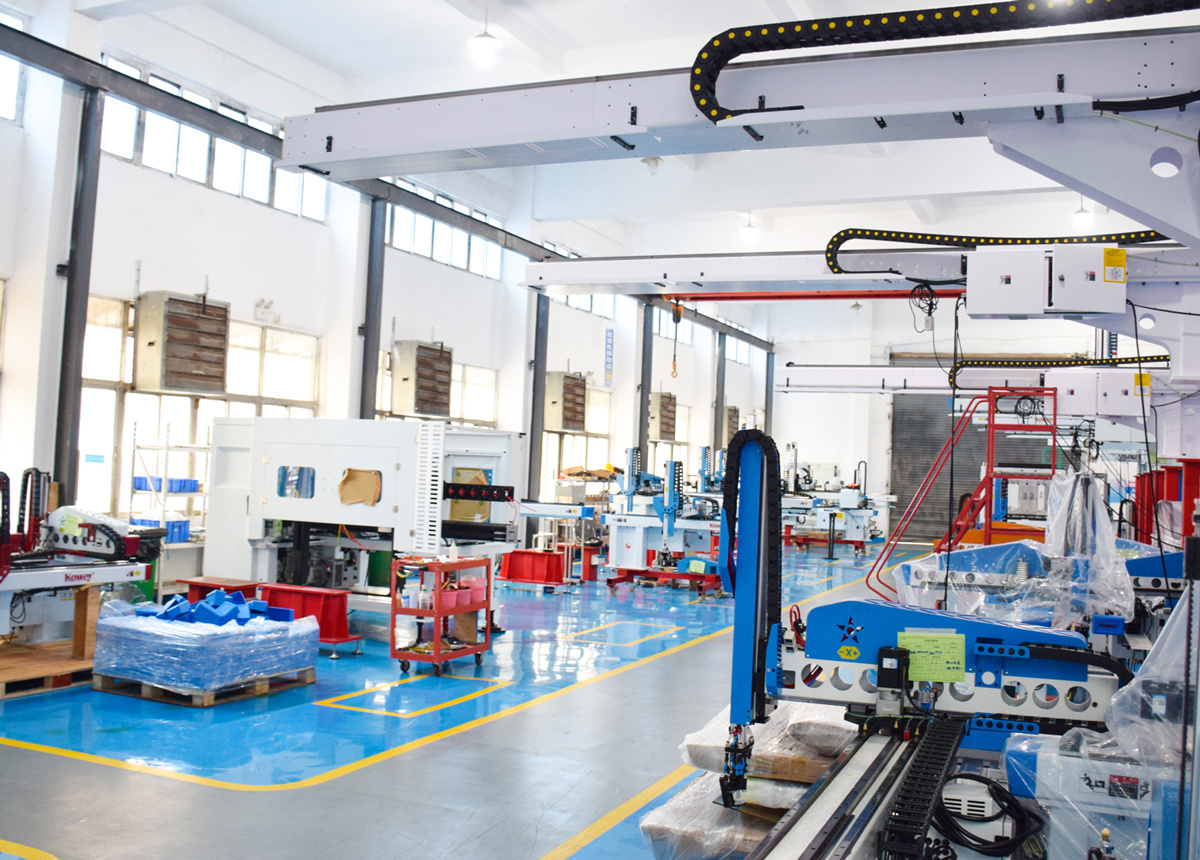
State-of-the-art production base adhering to strict ISO quality control and precision assembly standards.
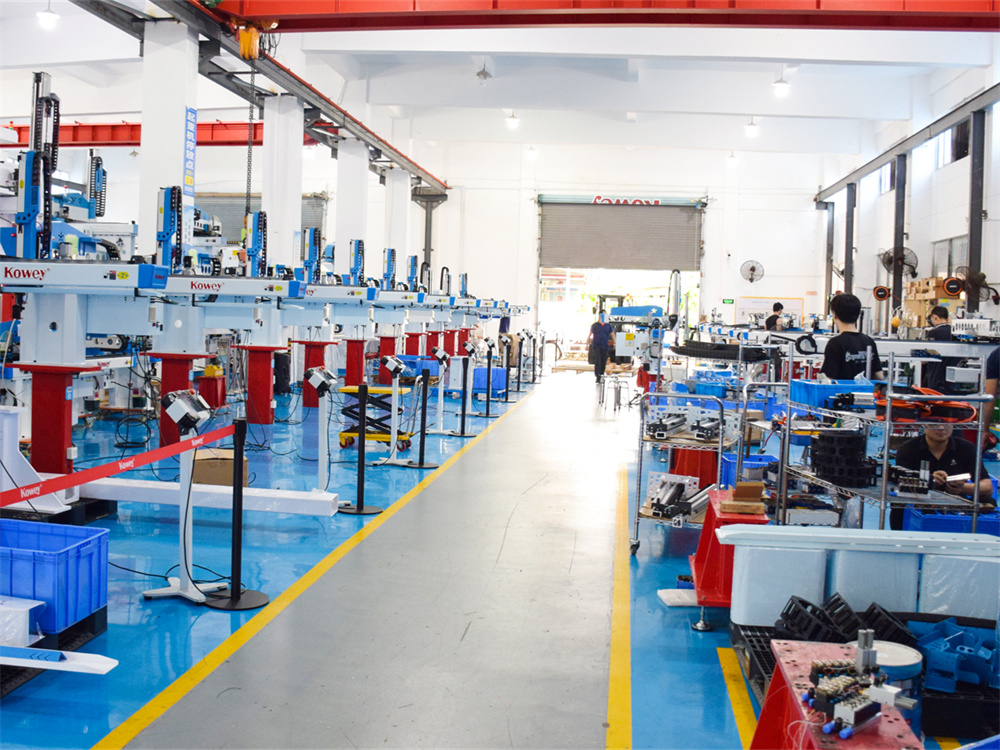
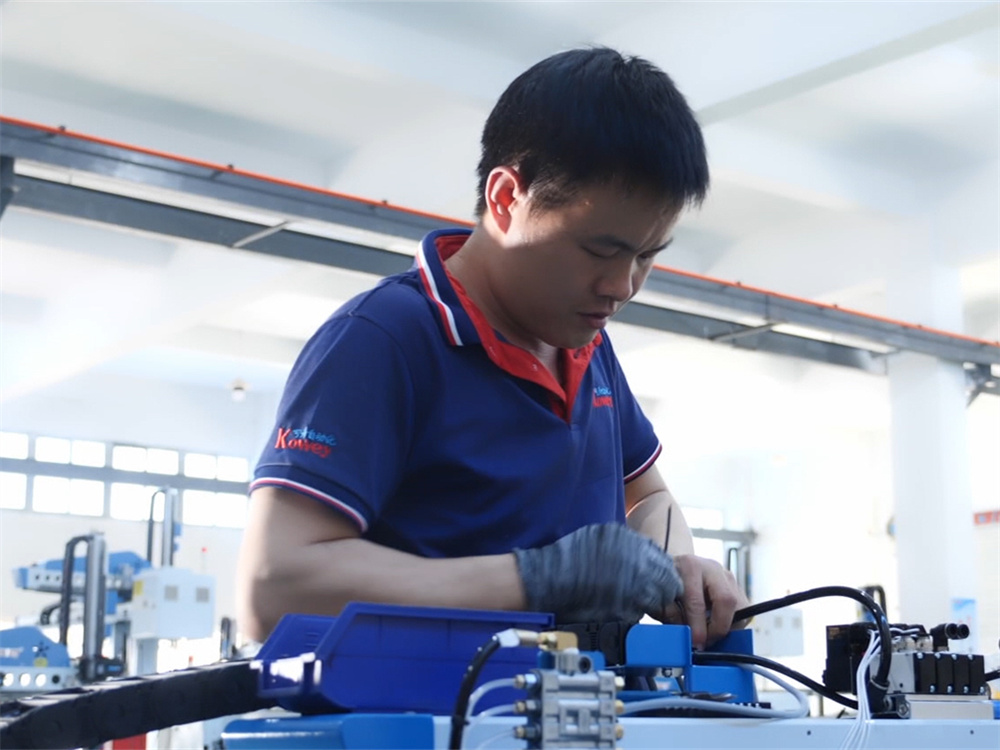
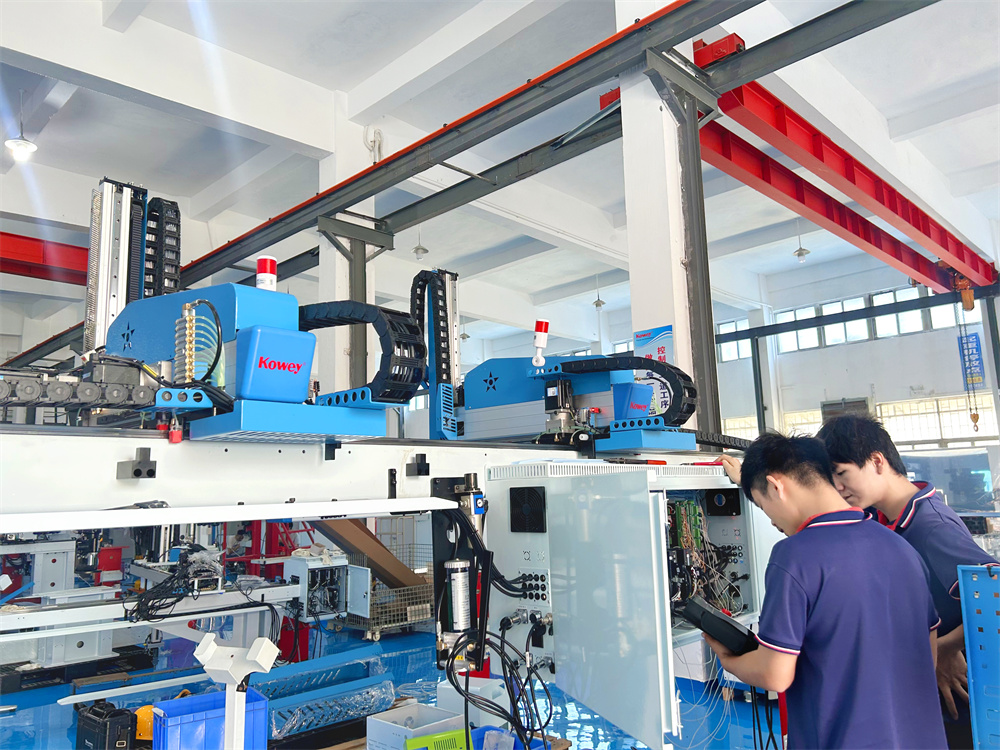
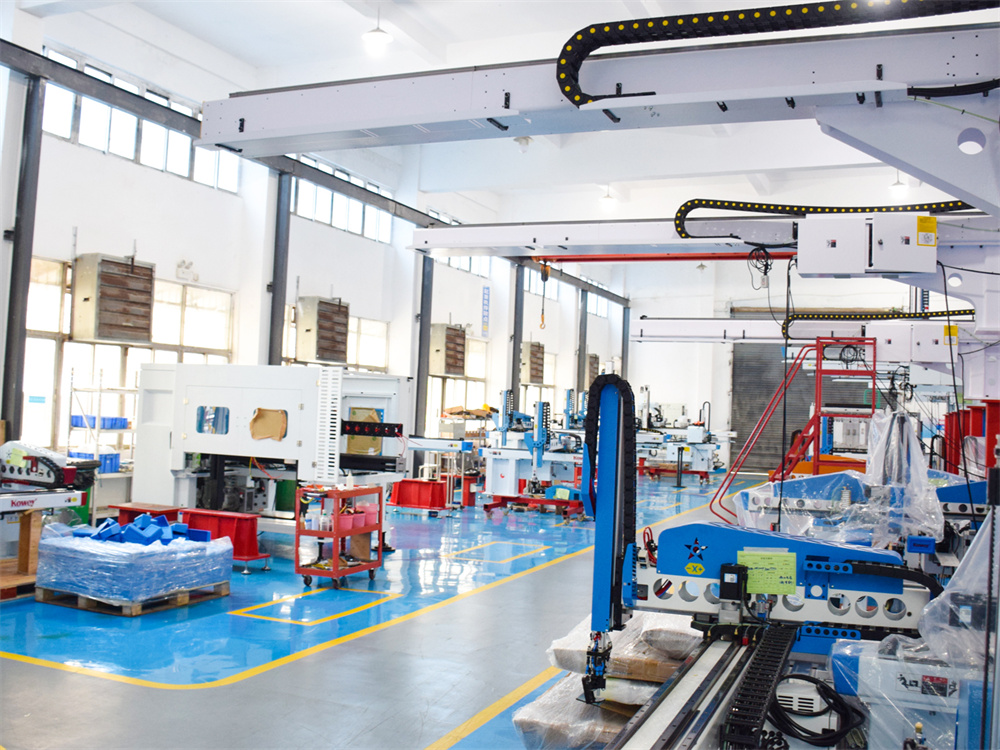
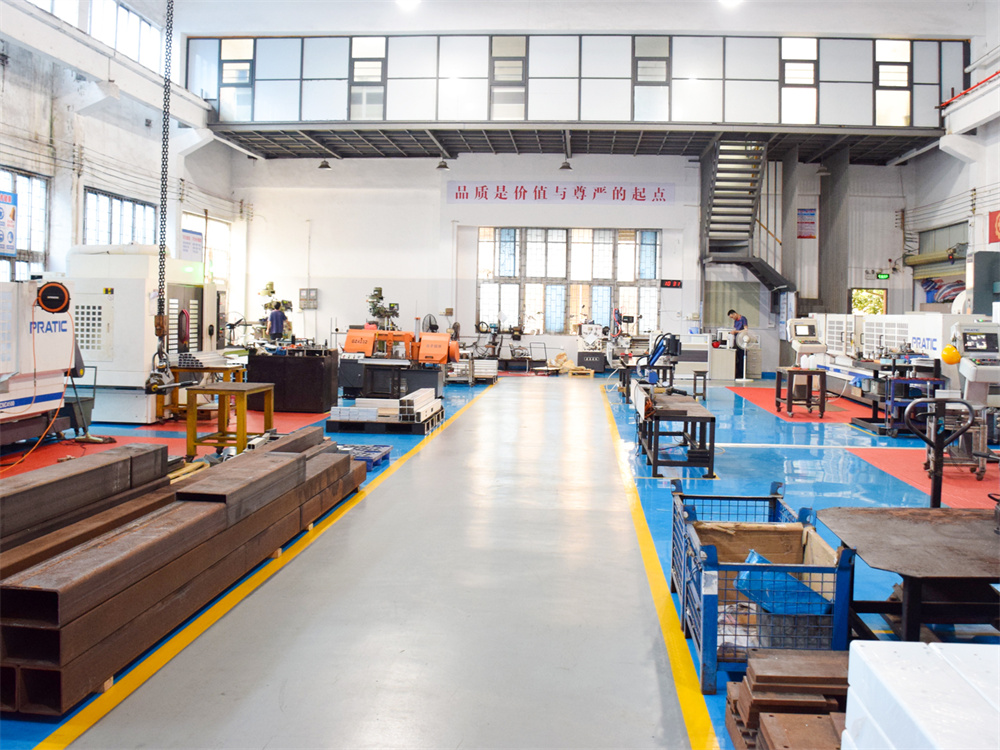
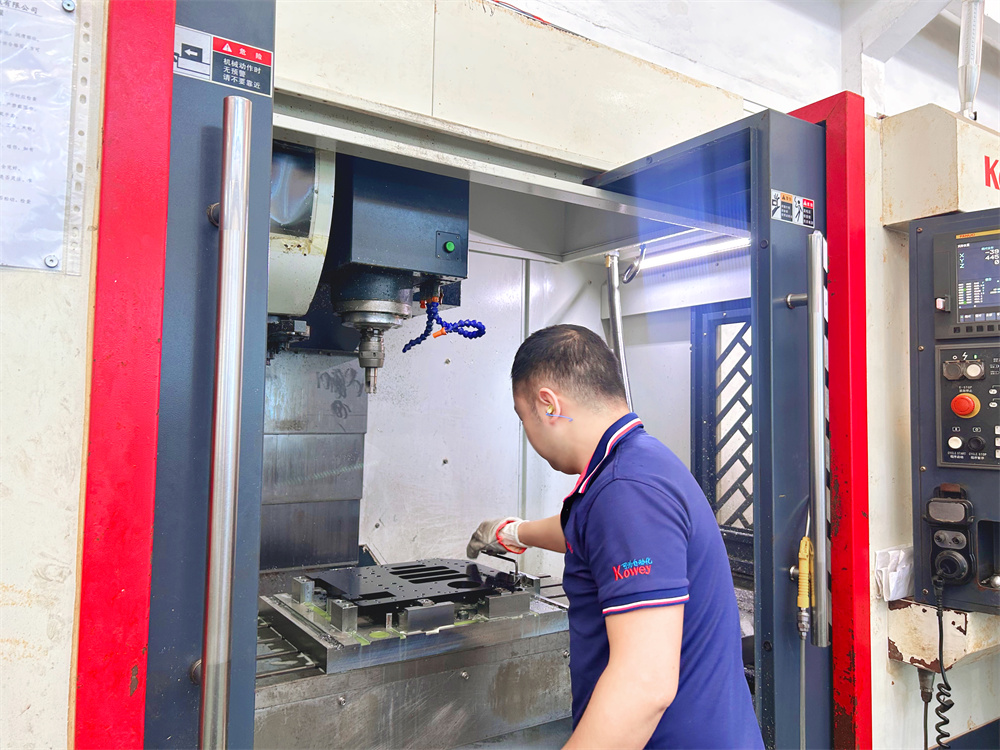
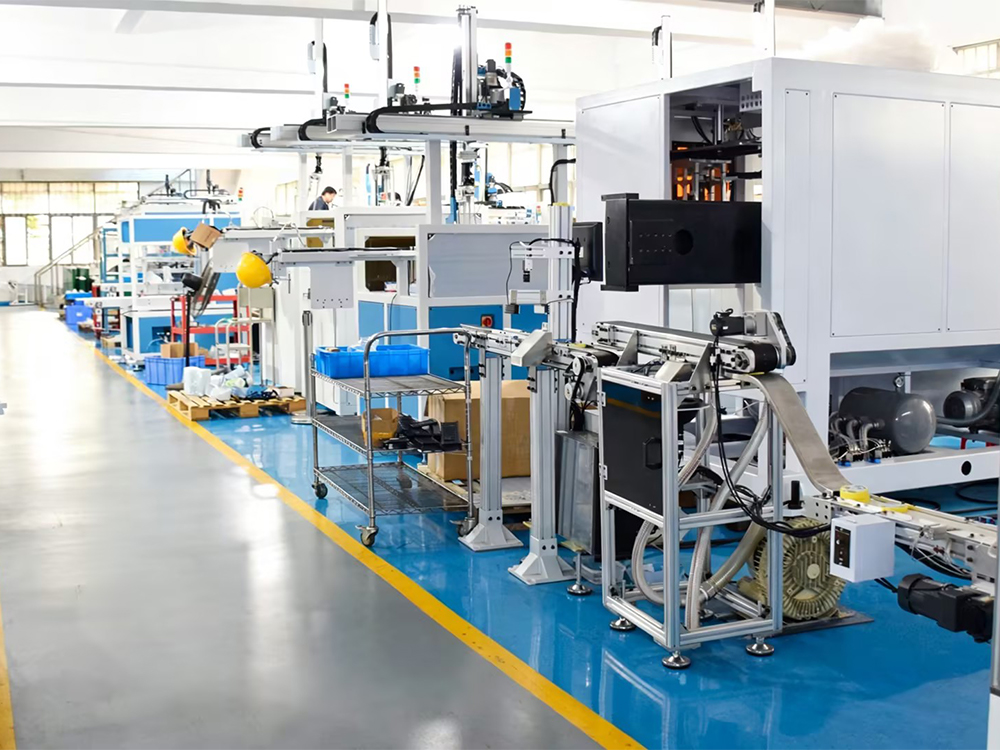
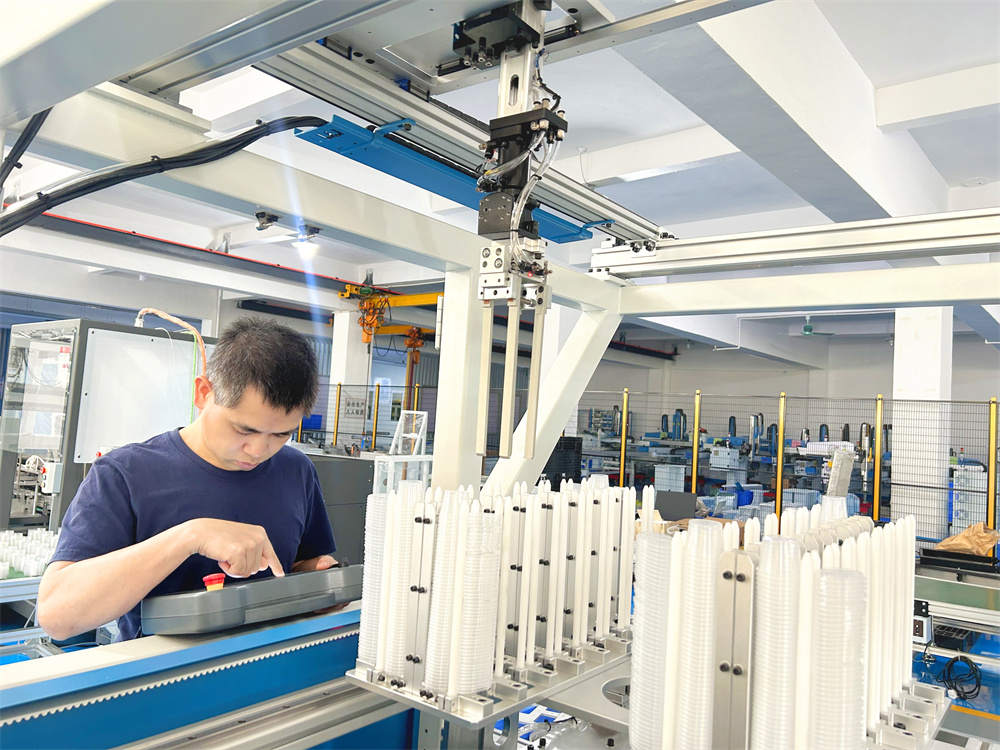
Continuous patent development, embedded control systems, and customer-first engineering.
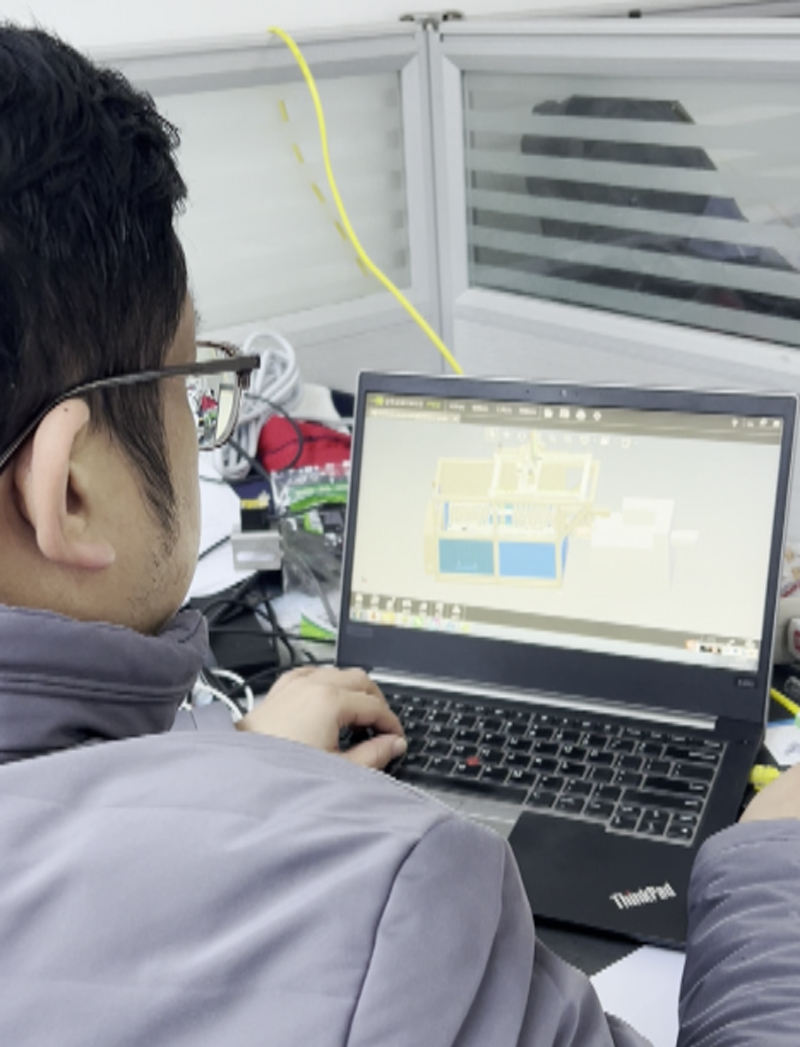
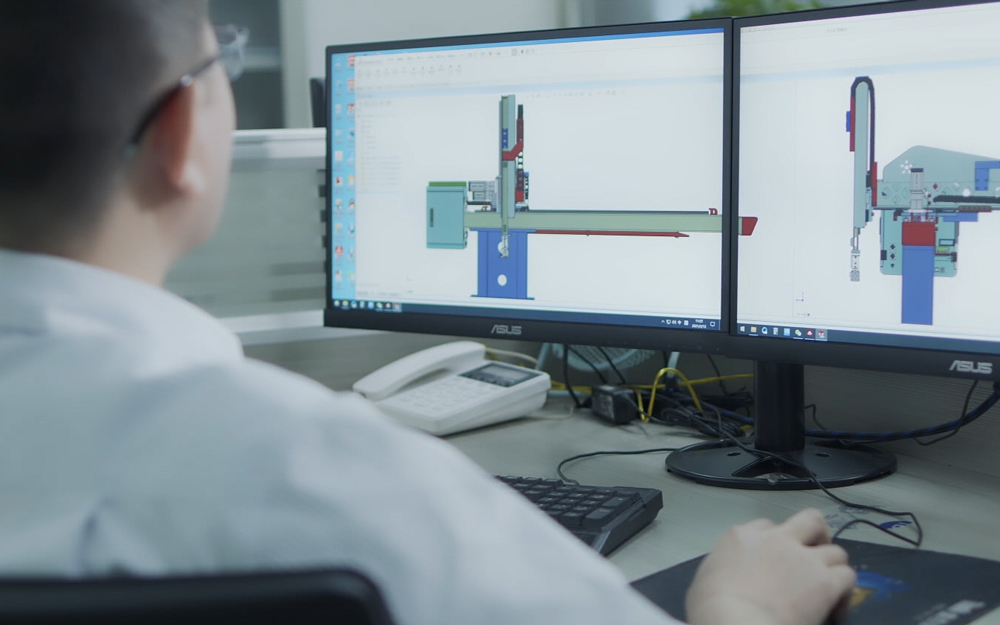
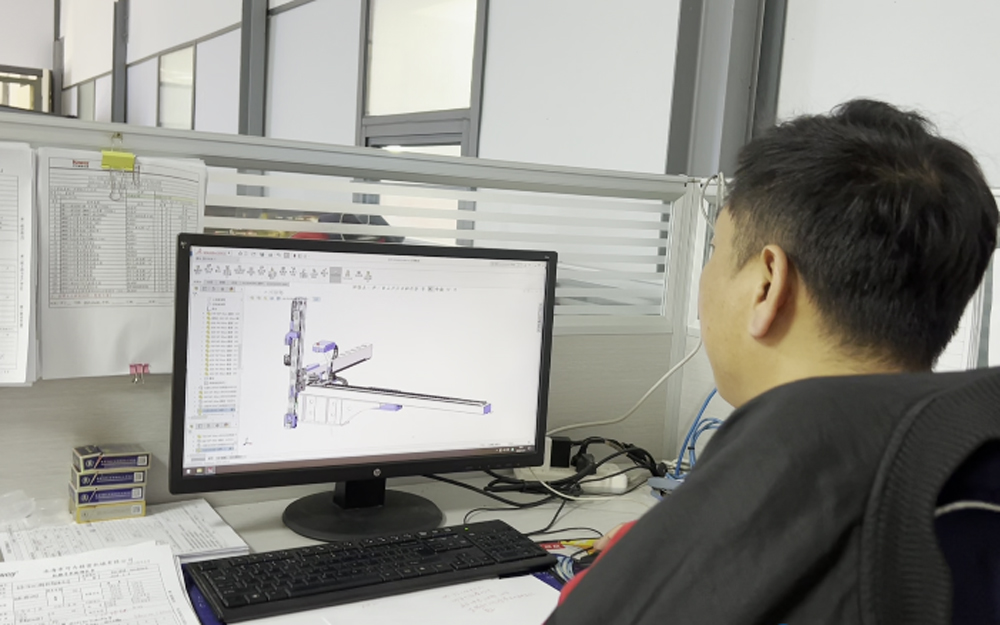
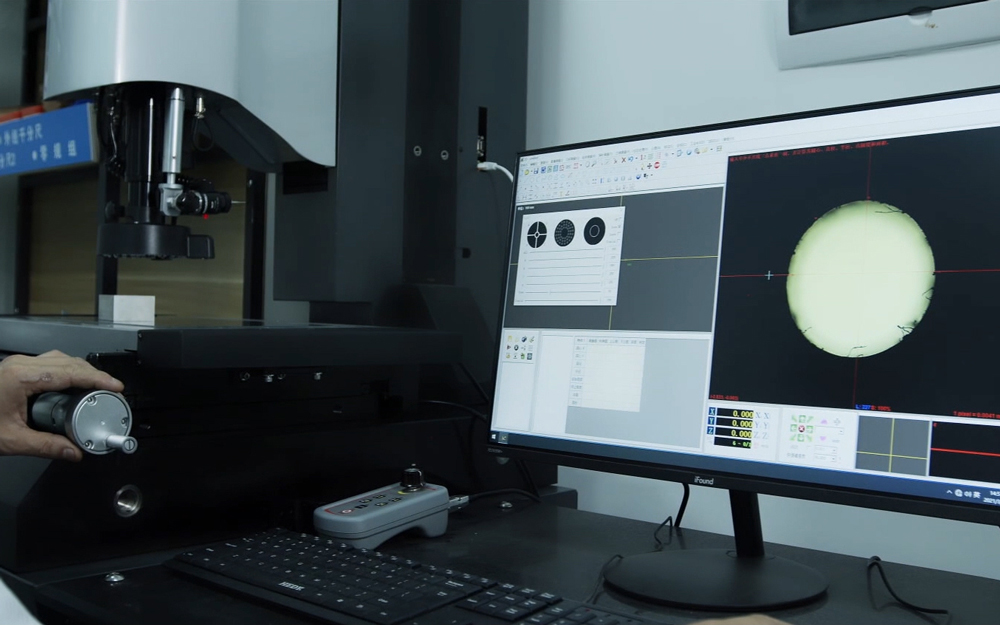
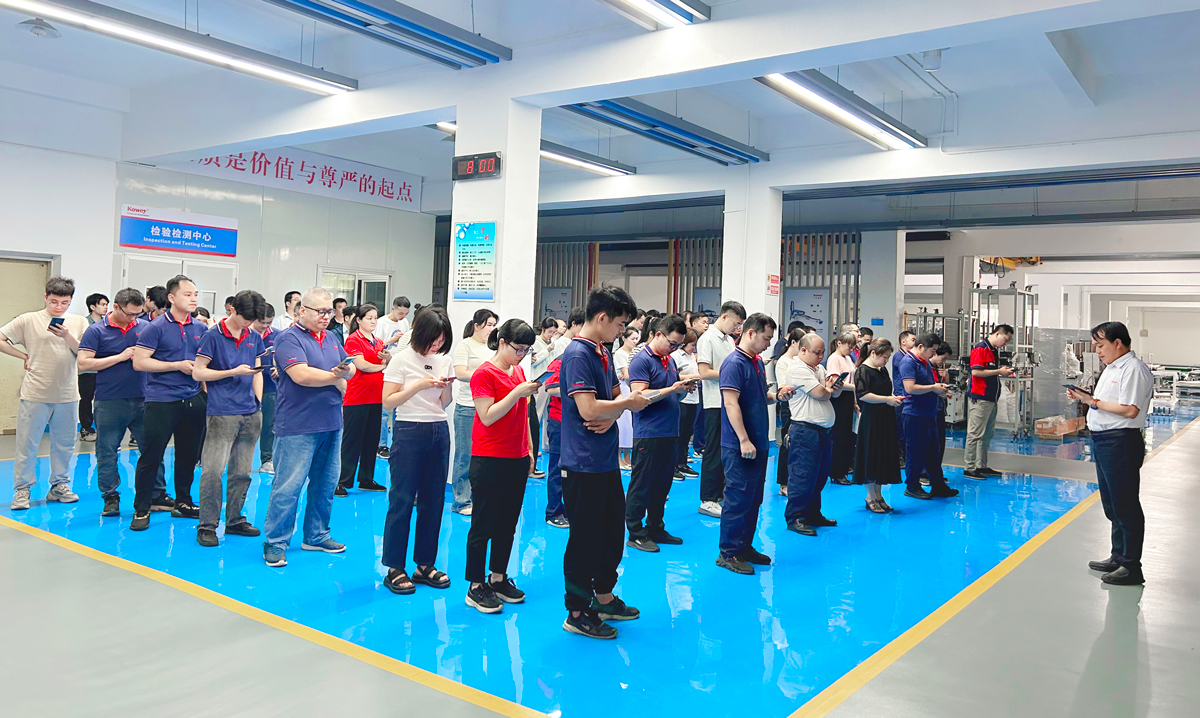
The Kowey team adheres to "Quality First & Service Supreme" throughout the entire lifecycle of research & development, precision production, system installation, integration debugging, and comprehensive after-sales maintenance. We engineer each robot with exquisite craftsmanship, treat every manufacturing client with profound dedication, and honor every customer partnership through technological competence and unwavering reliability.
Our field engineers provide remote telemetry diagnostic support and on-site integration, assuring that high-speed three-axis robot arms interface smoothly with complex multi-cavity hot runner molds, visual rejection systems, and automated packaging conveyors.
Flexible Cartesian solutions tailored for injection molding machines from small tonnage to heavy structural presses.