
Leave Your Message
-
Contact Phone
-
 Contact Email
High-precision robotic handling engineered specifically for clean-room injection systems and thin-wall electronic enclosures.
In modern industrial manufacturing, In-Mold Labeling (IML) and In-Mold Decoration (IMD) have transformed from high-end specialty techniques into essential fabrication standards across consumer electronics molding. As smart hardware becomes more compact, visually sophisticated, and structurally durable, conventional secondary decoration techniques—such as post-mold pad printing, manual spray painting, heat transfers, and vacuum metallization—fail to meet stringent design criteria and clean manufacturing benchmarks. IML injection molding integrates pre-printed decorative carrier films directly within the mold cavity during the polymer injection phase, fusing label and resin into a unified, seamless, and wear-resistant component.
Consumer preferences in mobile communication, wearable tech, smart home interfaces, and computing hardware continuously drive tighter tolerances and complex 3D contoured profiles. The integration of high-speed multi-axis servo robotics ensures label placement repeatability within ±0.05 mm, minimizing optical distortion, cycle times, and scrap rates. This seamless integration of structural strength and surface ornamentation within a single process cycle represents the modern pinnacle of lean electronics manufacturing.
By trapping ink systems behind high-grade polycarbonate (PC) or optical PET substrates, visual elements are completely insulated against sweat, alcohol wipes, abrasions, and daily tactile degradation.
Servo-driven multi-axis robots equipped with static charge generators and vacuum validation guarantee millimeter-perfect registration within high-cavity, fast-cycling injection molds.
Unlike traditional electroplated metallic coatings that attenuate RF signals, specialized IML metallic-look films allow full electromagnetic transparency for 5G, Wi-Fi 7, NFC, and wireless charging.
The consumer electronics industry faces rapid iteration, compressed lifecycles, and relentless quality expectations. Incorporating In-Mold Labeling within high-precision injection workflows provides distinct competitive advantages:
Standard post-injection decorating lines require distinct material buffering, cleanroom transfers, manual masking, drying ovens, and complex quality validation gates. Each step introduces potential surface defects, dust contamination, and yield loss. IML consolidates molding, labeling, and multi-color ornamentation into an automated cell operating within seconds. Secondary tooling wear and labor costs decrease dramatically, yielding measurable reductions in unit manufacturing costs.
Today's electronics feature intricate 2.5D and deep 3D curved surfaces, ergonomic tapers, and recessed optical windows. Through hydroforming and precision thermoforming of printed label films prior to injection, IML allows intricate textures, brushed metal illusions, gradient colors, matte-gloss dual finishes, and transparent display apertures to align faultlessly along non-planar boundaries.
Environmental standards such as RoHS and REACH strictly regulate solvent emissions and hazardous waste handling. Traditional solvent-based spray lines emit significant Volatile Organic Compounds (VOCs). IML utilizes contained film systems with UV-cured inks, virtually eliminating solvent evaporation inside manufacturing facilities and easing end-of-life recycling paths when mono-material systems (like all-polypropylene or all-polycarbonate) are implemented.
The deployment of In Mold Labeling injection molding spans an expansive array of smart hardware, solving unique mechanical, aesthetic, and functional challenges:
Combines capacitive touch circuit integration, dead-front icon illumination, and anti-glare scratch-proof finishes for luxury thermostat and lighting switches.
Ultra-miniaturized smart watch bezels, fitness tracker clips, and TWS earbud charging cases benefit from high sweat resistance and hyper-fine metallic aesthetics.
A-cover laptop lids, ruggedized tablet casings, and low-profile mouse bodies requiring durable branding and structural carbon-fiber patterns that do not peel.
Ultra-narrow frame bezels, rear decorative housing covers, and integrated remote control interfaces with invisible-until-lit status indicators.
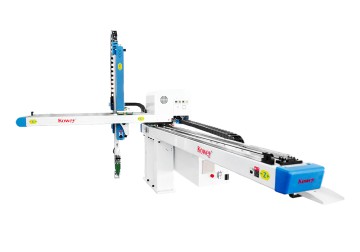
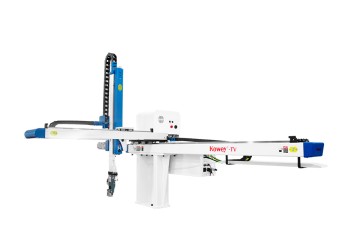
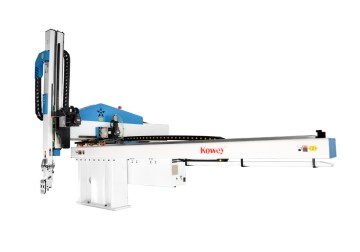
The primary barrier to successful IML implementation within consumer electronics has historically been position consistency and cycle time management. Modern high-speed robots—incorporating 3-axis and 5-axis servo architectures, specialized bull-head designs, and advanced end-of-arm tooling (EOAT)—resolve these engineering hurdles.
Robotic automation performs simultaneous actions: electrostatically charging the thermoformed film label, navigating narrow mold openings at velocities exceeding 2,500 mm/s, locking the label precisely against micro-milled vacuum ports, and demolding the finished enclosure with pneumatic gentle-grip vacuum cups. Real-time vision inspection systems integrated into the EOAT track label orientation down to the micron level before the injection cycle clamps shut, ensuring scrap rates remain near zero even during non-stop mass production.
Comprehensive automation systems and custom robotics engineered for high-performance plastics and consumer electronics molding.
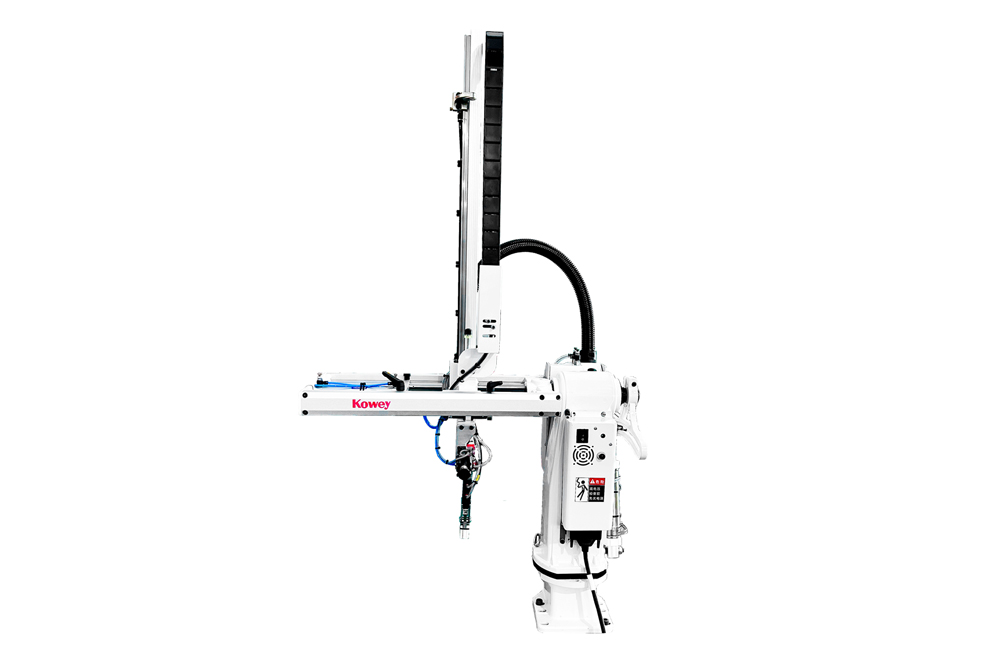
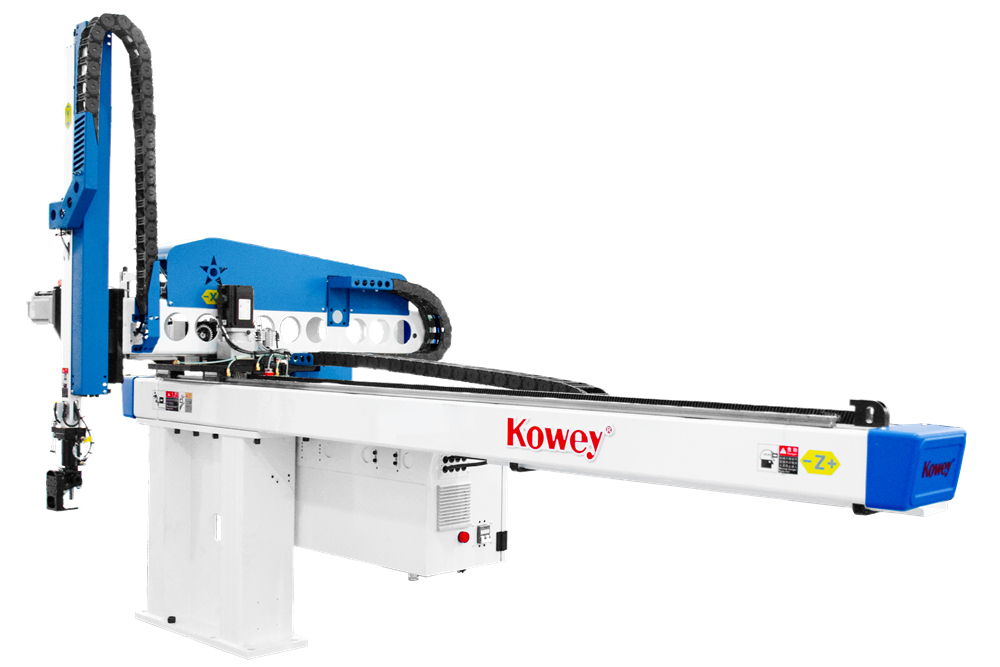
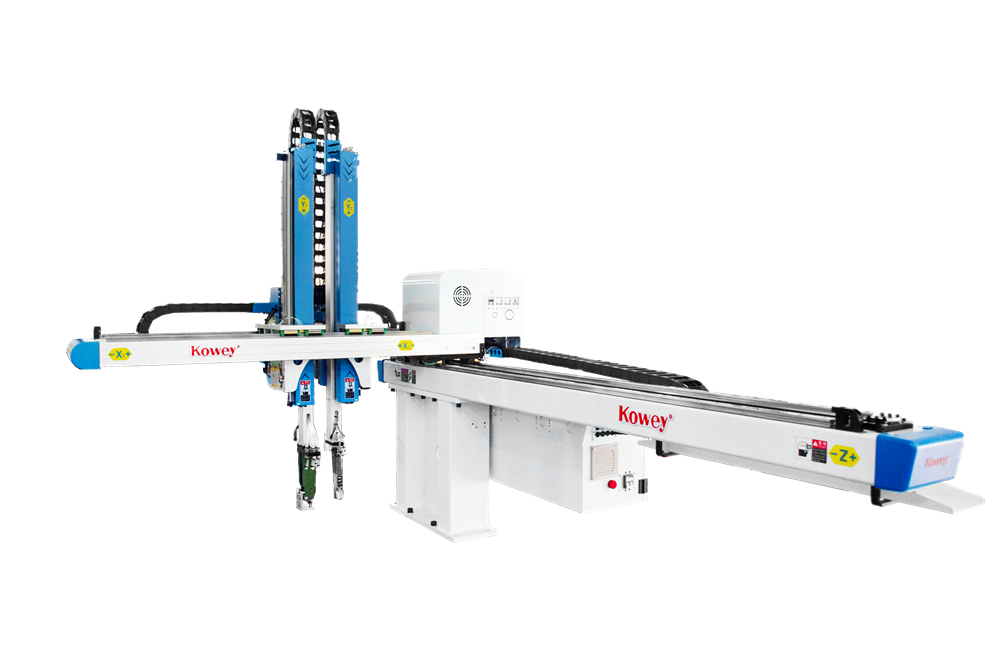
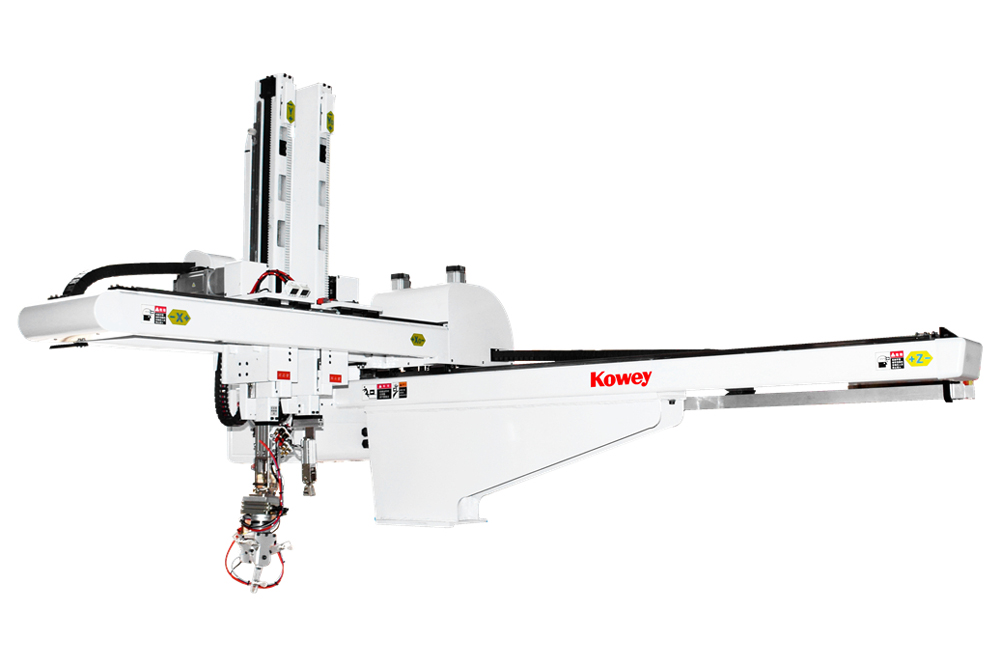
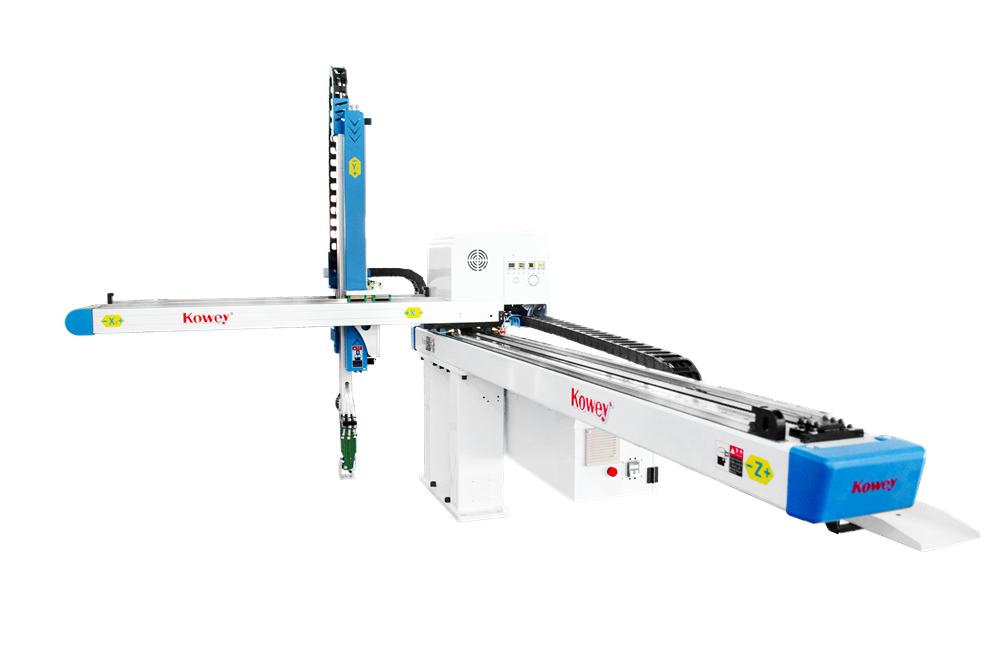
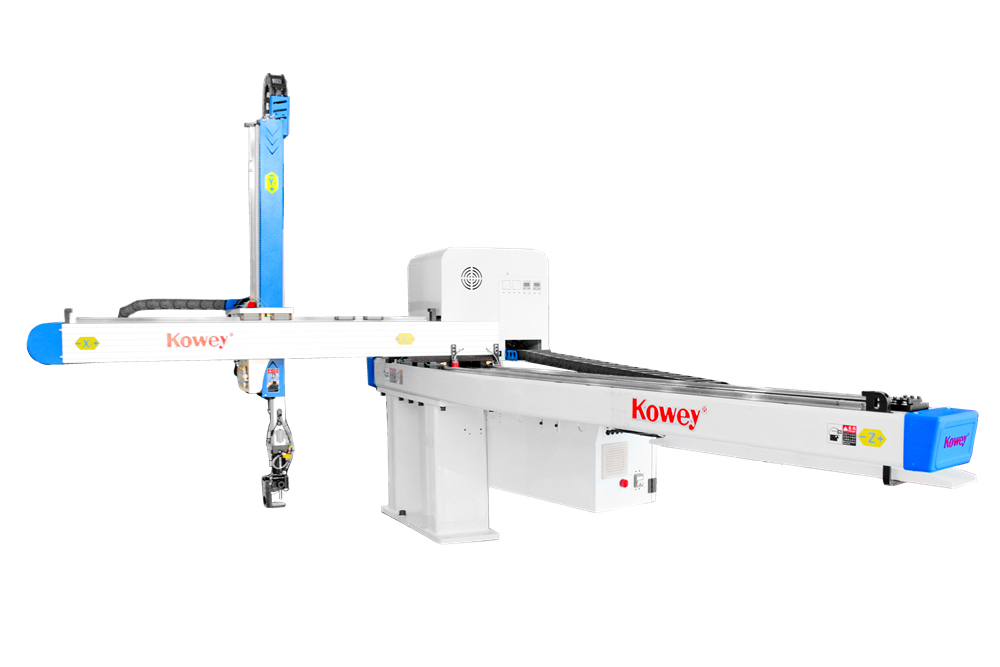
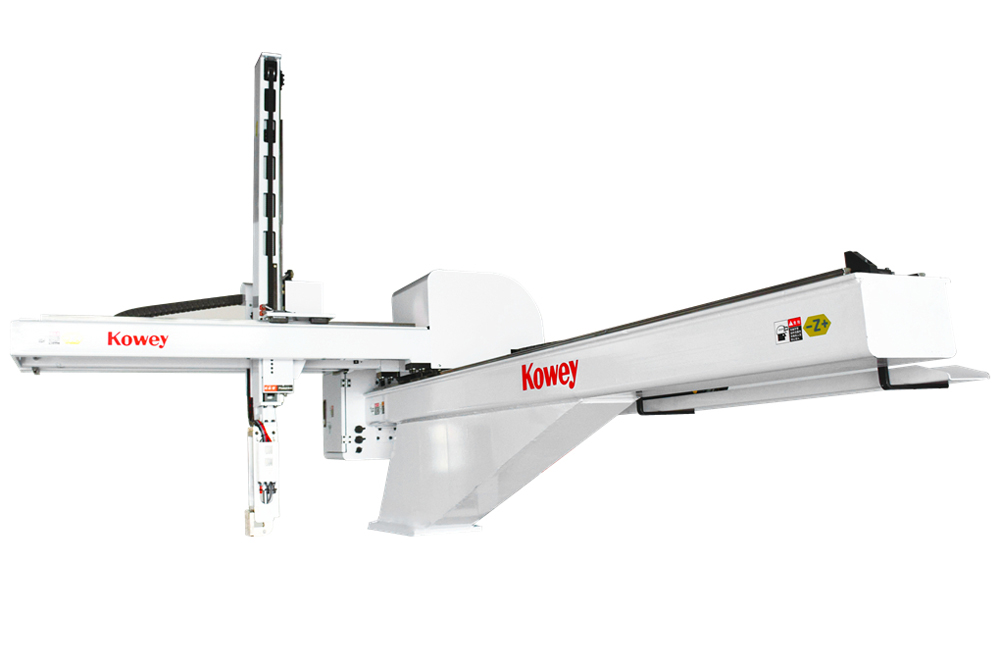
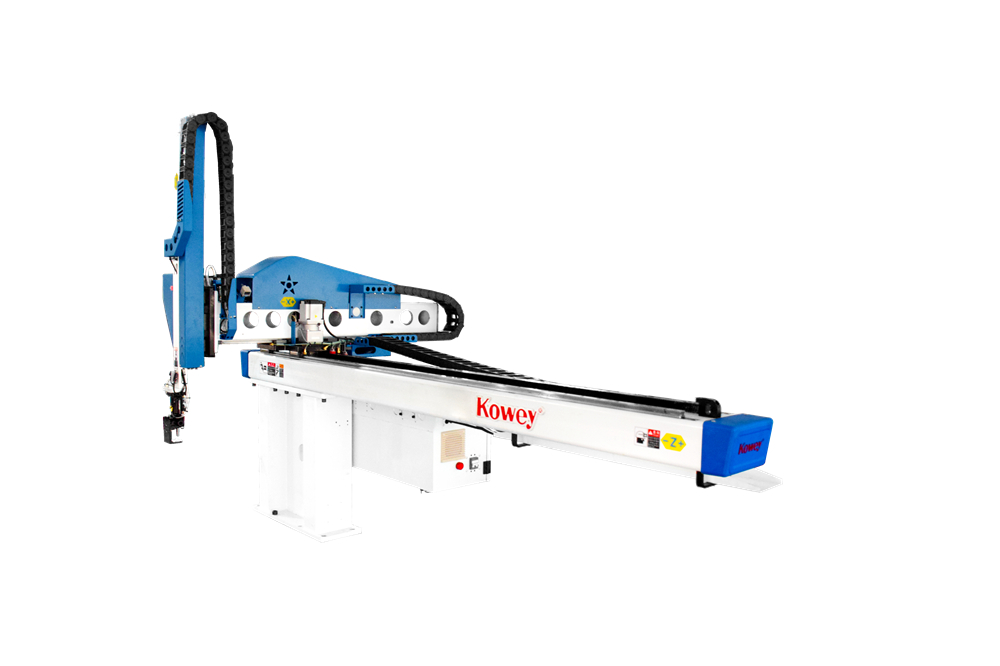
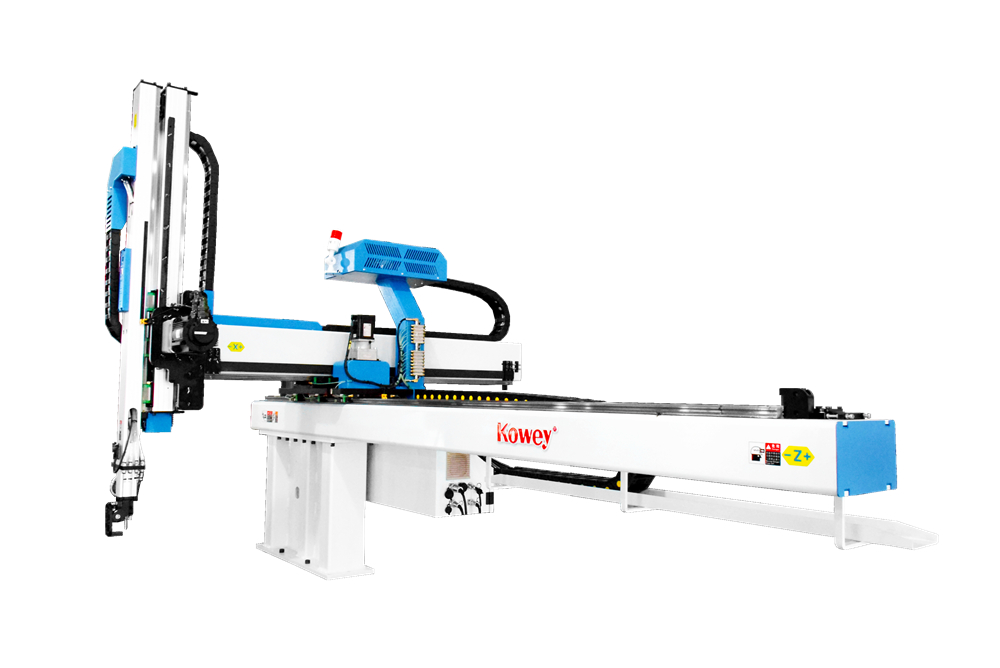
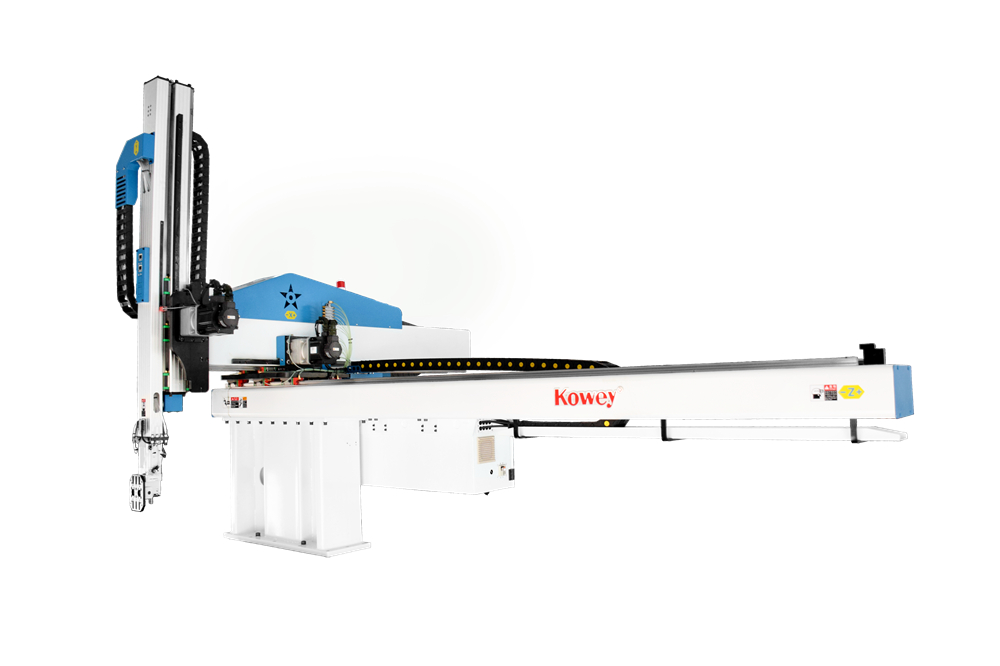
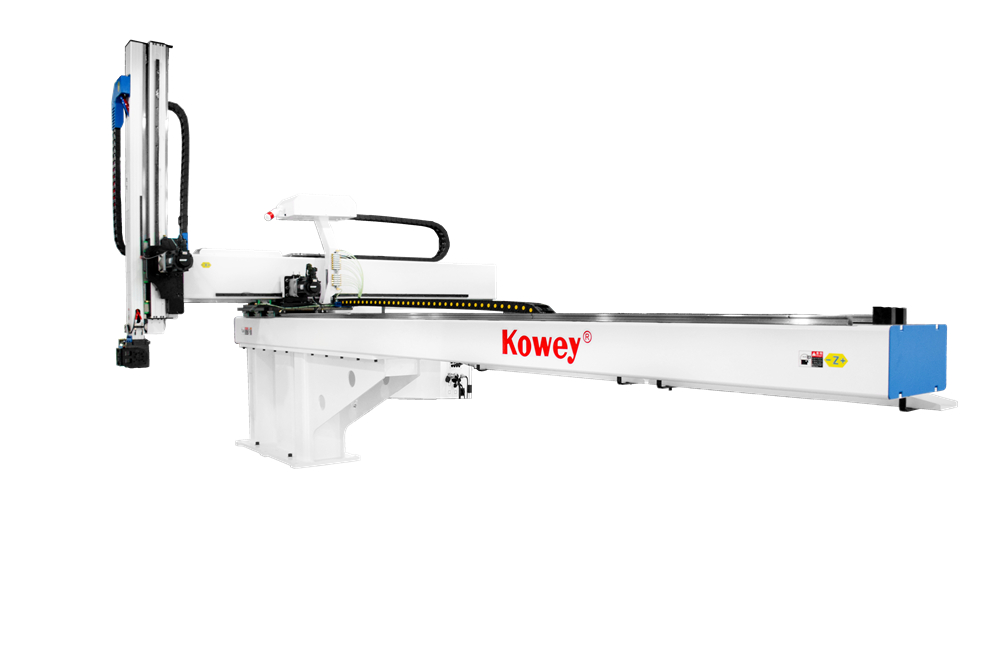
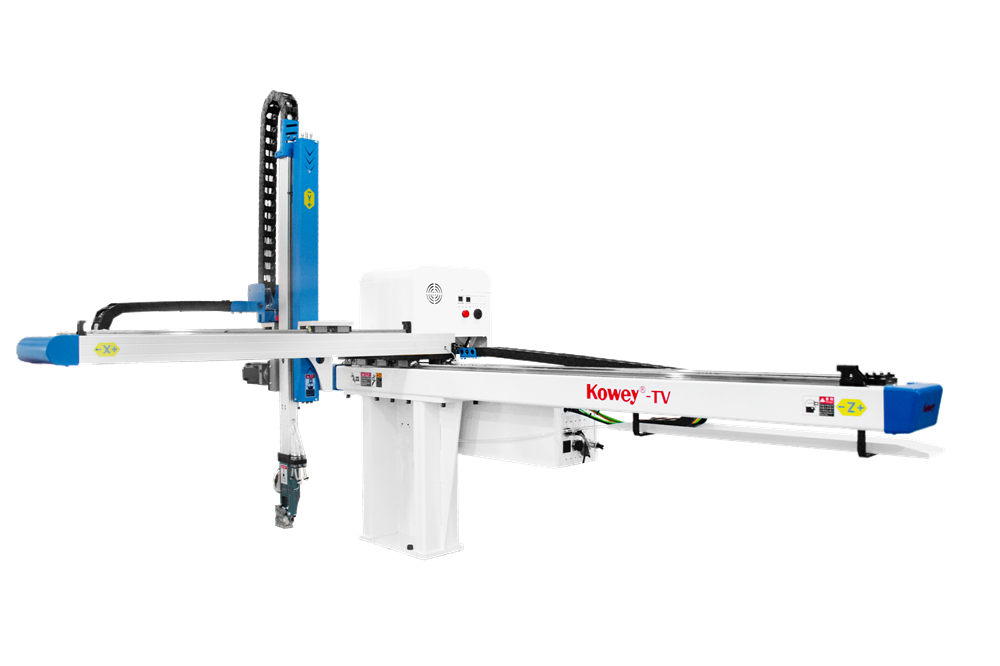
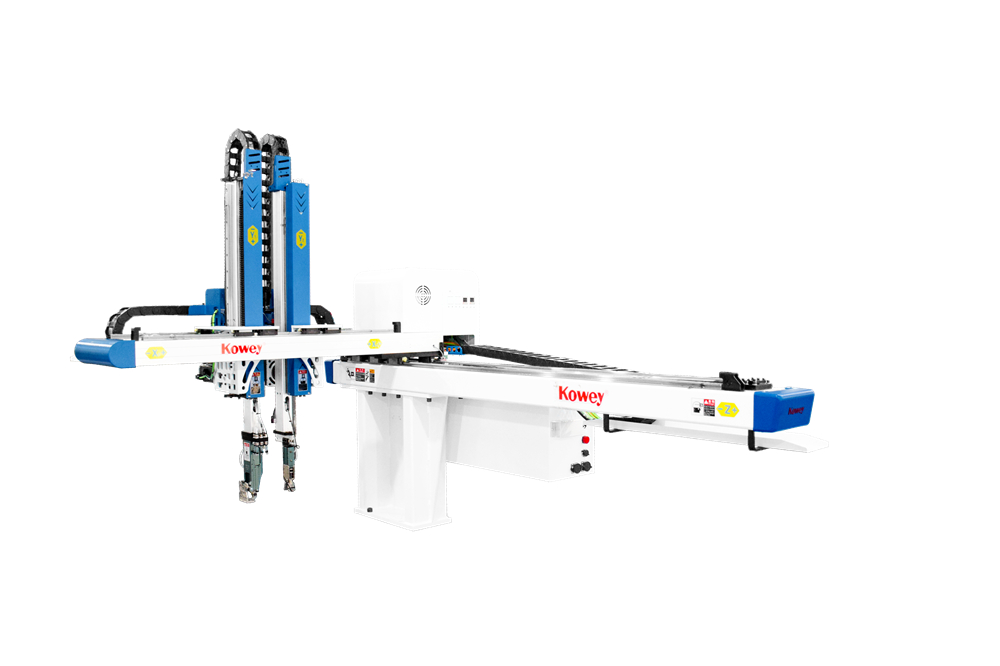
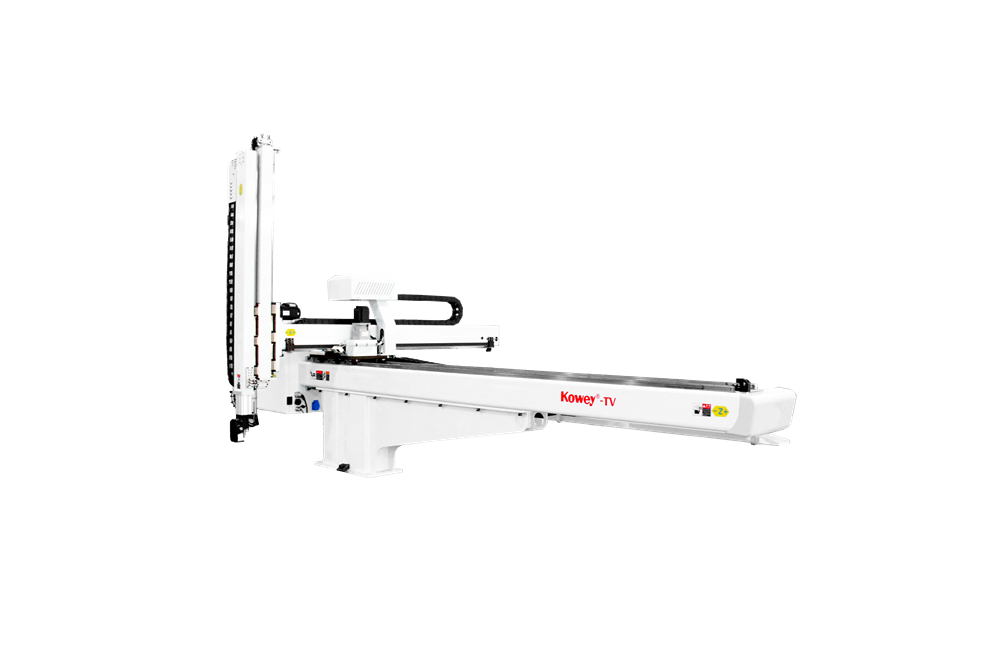
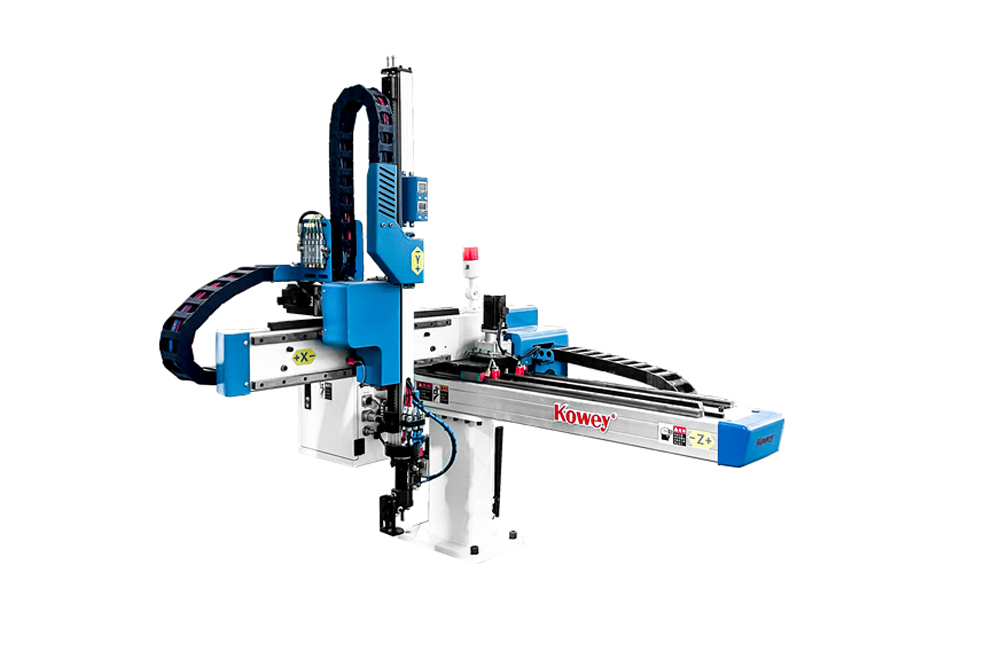
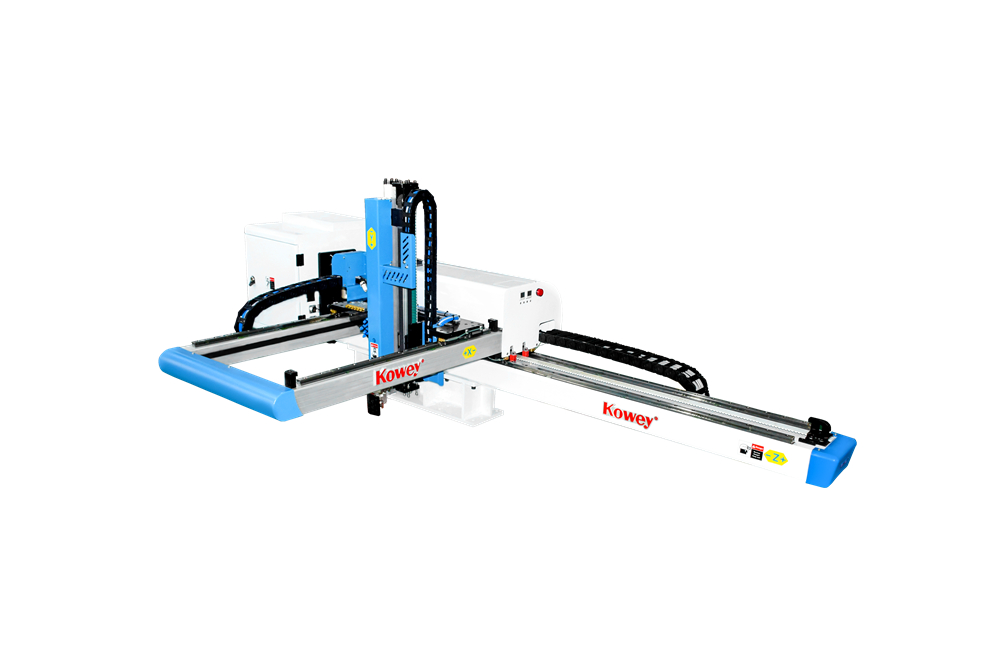
Precision automation equipment engineered to enhance cycle times and handle IML processes for television frames, display units, and compact digital enclosures.
The progression of In Mold Labeling for consumer electronics points decisively toward In-Mold Electronics (IME)—a technology that takes decorative IML to the next level by printing functional electronic traces, capacitive touch pads, and surface-mount LEDs onto the film substrate before molding. This merges structural housing, aesthetic surface finish, and functional electrical control into an ultra-thin, solitary component without internal mechanical switches, wire harnesses, or secondary PCB brackets.
Furthermore, consumer demand for eco-conscious hardware is compelling manufacturers to utilize chemically recyclable bio-resins and mono-material PET/PC blends. When combined with smart Industry 4.0 injection molding systems equipped with AI vision guidance, automated sprue picking, and intelligent torque-sensing robotics, IML production cells achieve unprecedented yields, extreme tactile quality, and unmatched mechanical durability for global consumer tech brands.