
Leave Your Message
-
Contact Phone
-
 Contact Email
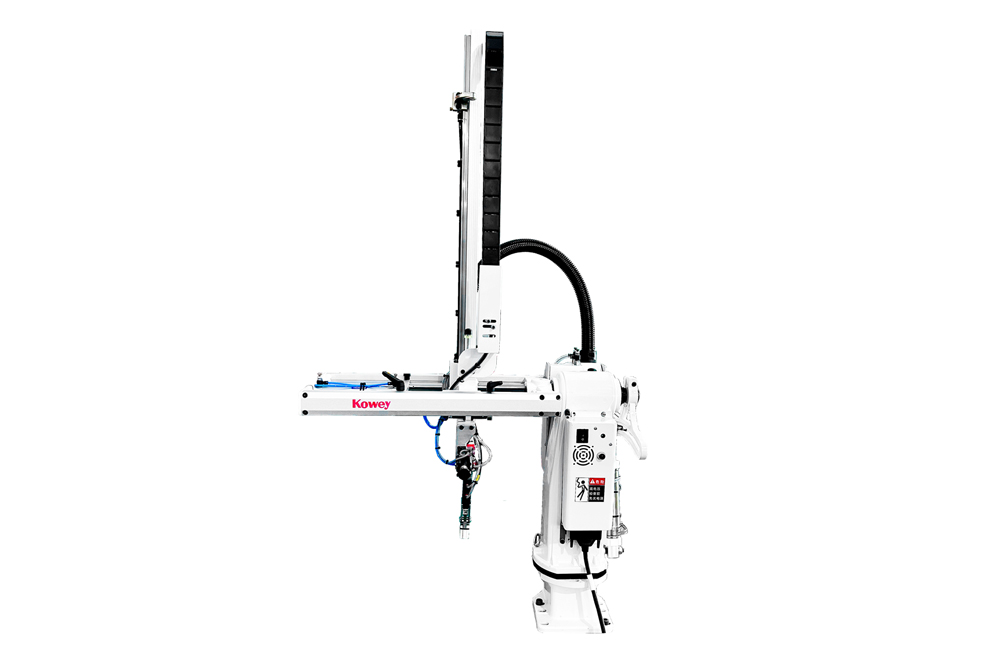
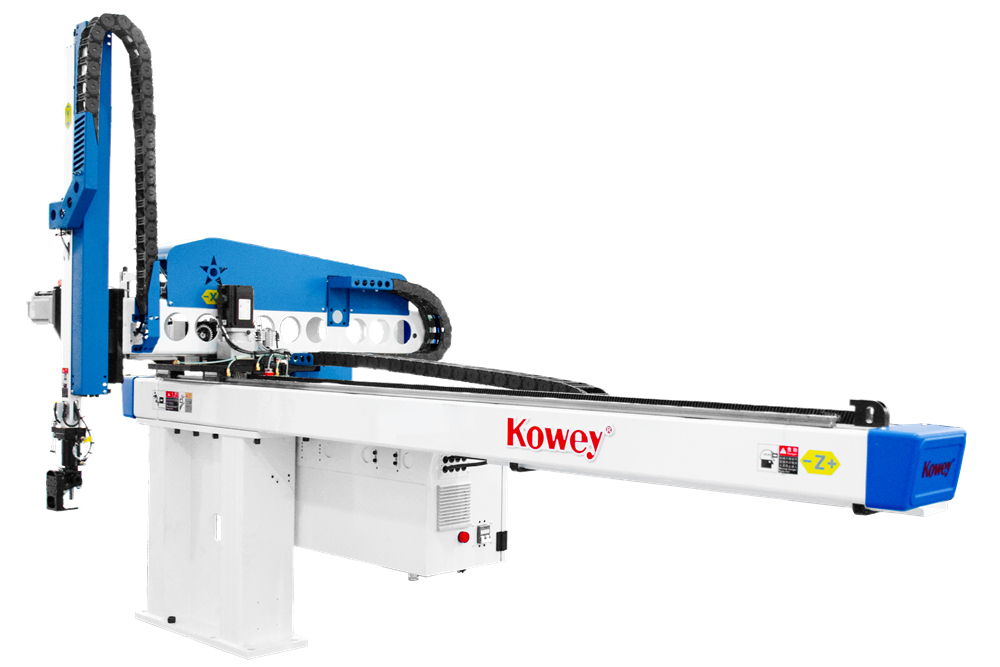
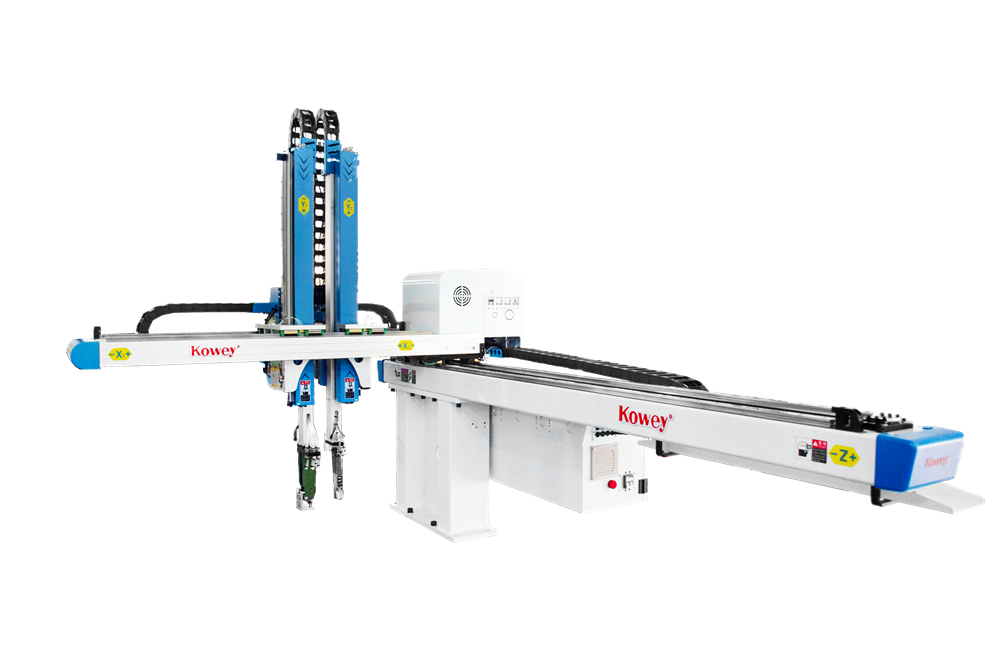
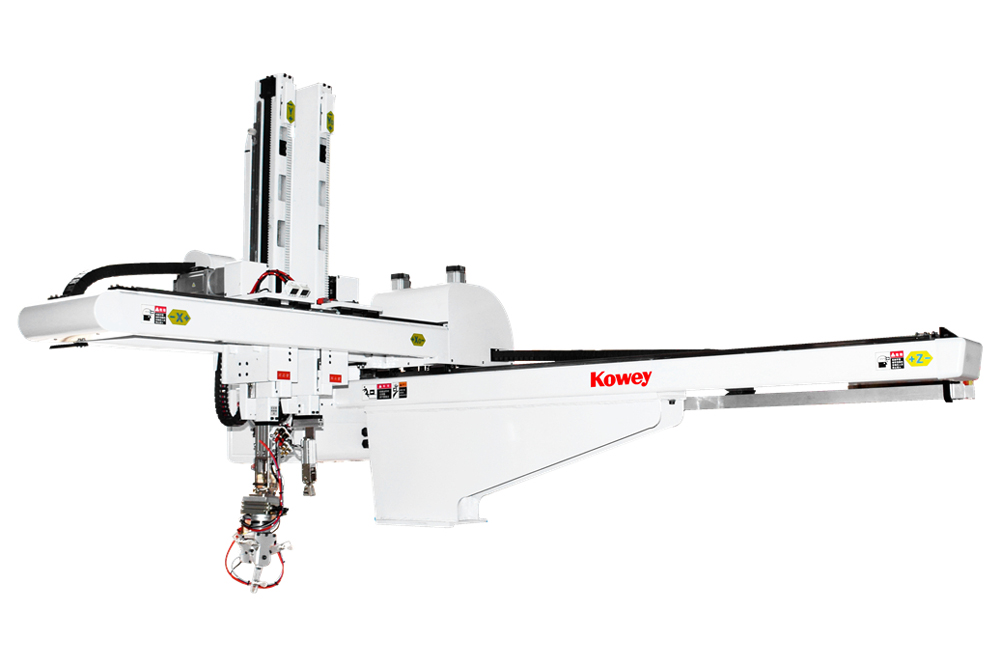
The manufacturing landscape for thin-wall packaging and rigid plastic containers has experienced an unprecedented technological shift over the past decade. The In Mold Labeling System For Plastic Container Packaging sits at the forefront of this transformation. By integrating decorative labeling directly into the injection molding process, manufacturers eliminate the secondary offline labeling phase, drastically reducing manufacturing floor space, floor labor costs, logistics buffers, and carbon footprints.
Historically, packaging facilities relied on post-mold self-adhesive labeling, direct screen printing, or heat-shrink sleeve labeling. While functional, these conventional approaches incur significant labor, energy, and reject overheads due to misalignment, peeling, bubbling, and the degradation of adhesives under extreme temperatures. An In Mold Labeling (IML) system fuses a pre-printed polypropylene (PP) or polyethylene (PE) label with the molten resin inside the mold cavity at injection temperatures surpassing 200°C. The outcome is an integral, seamless, and structurally cohesive container where the visual label and the plastic wall become one single component.
By pairing PP containers with 100% PP substrate labels, finished goods achieve 100% closed-loop recyclability without chemical or physical separation.
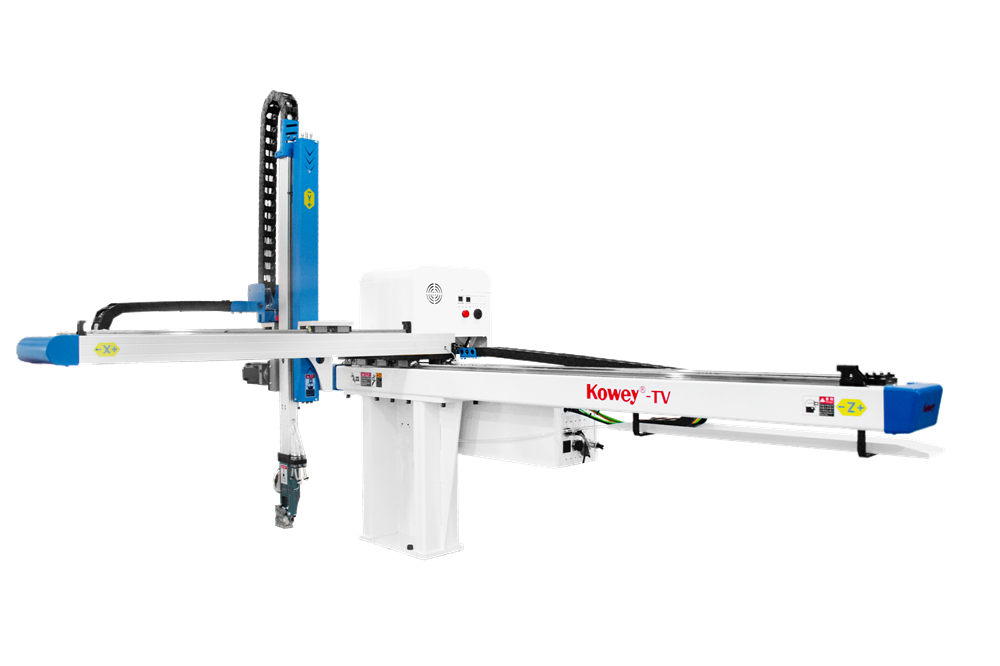
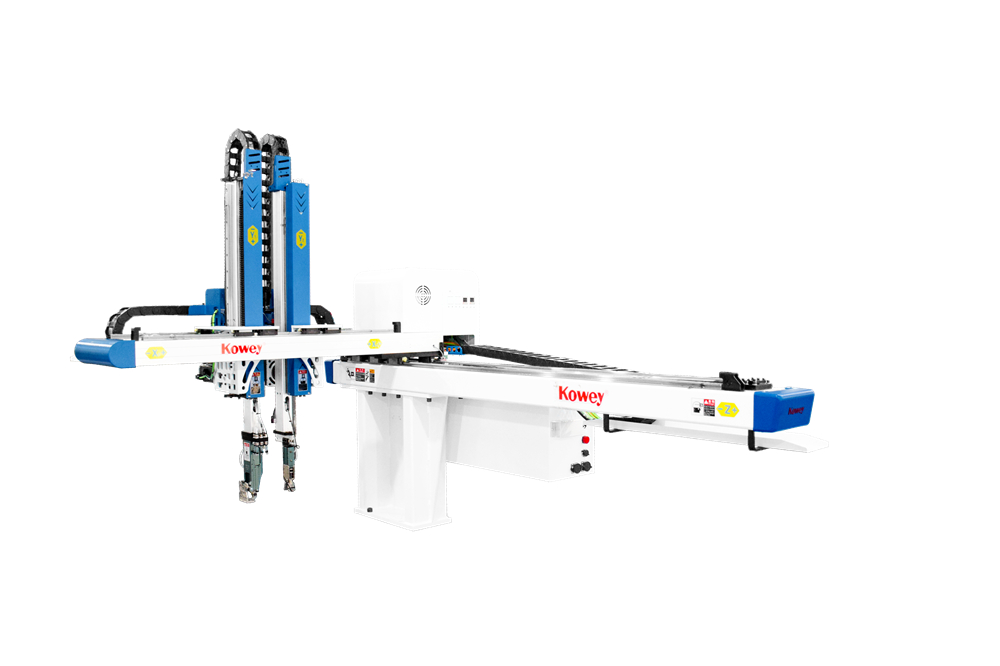
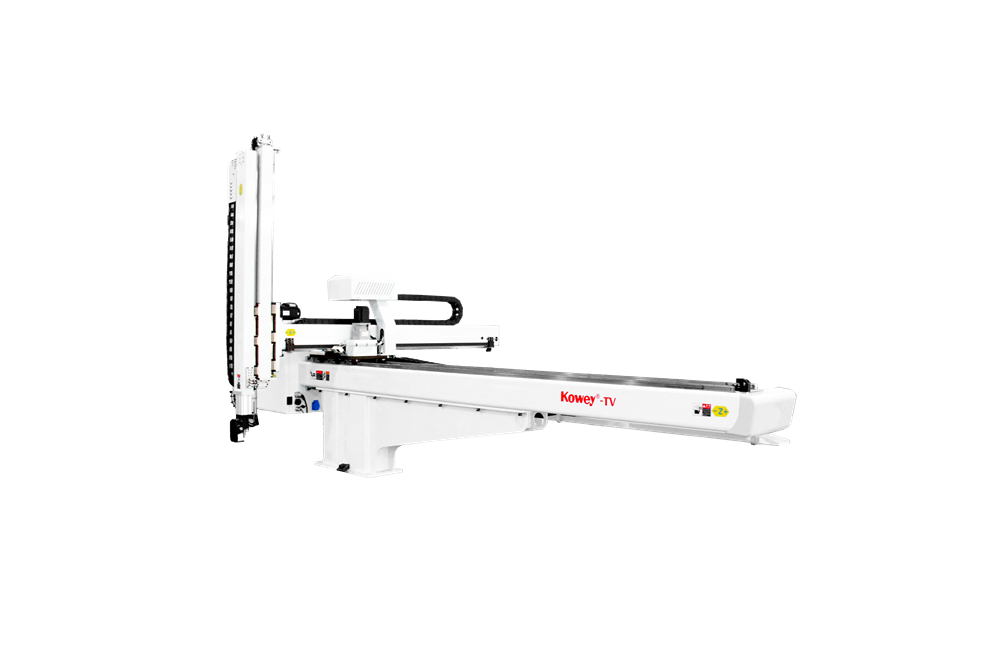
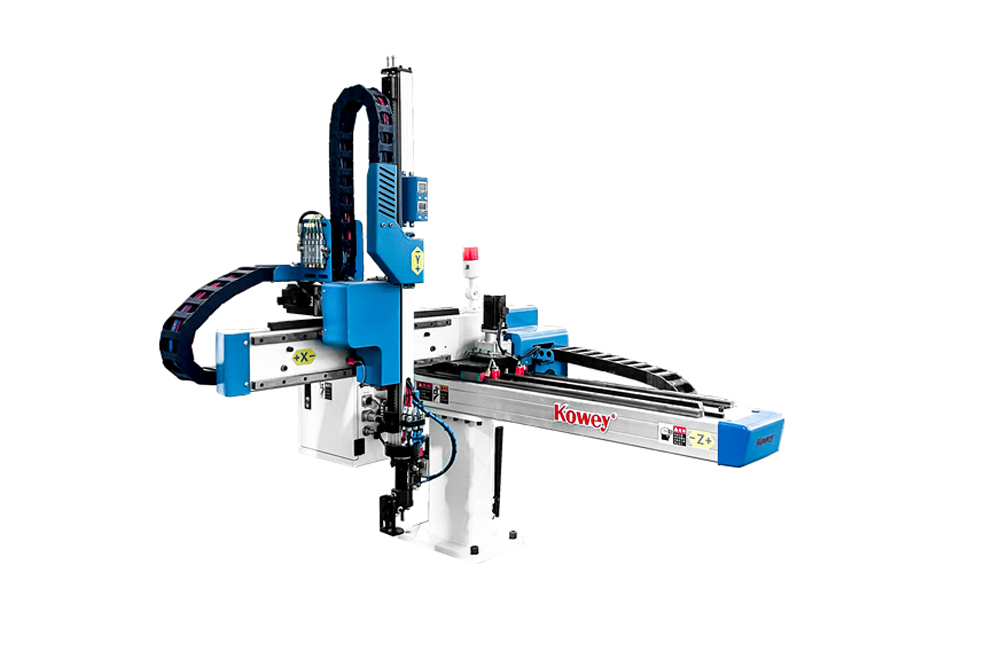
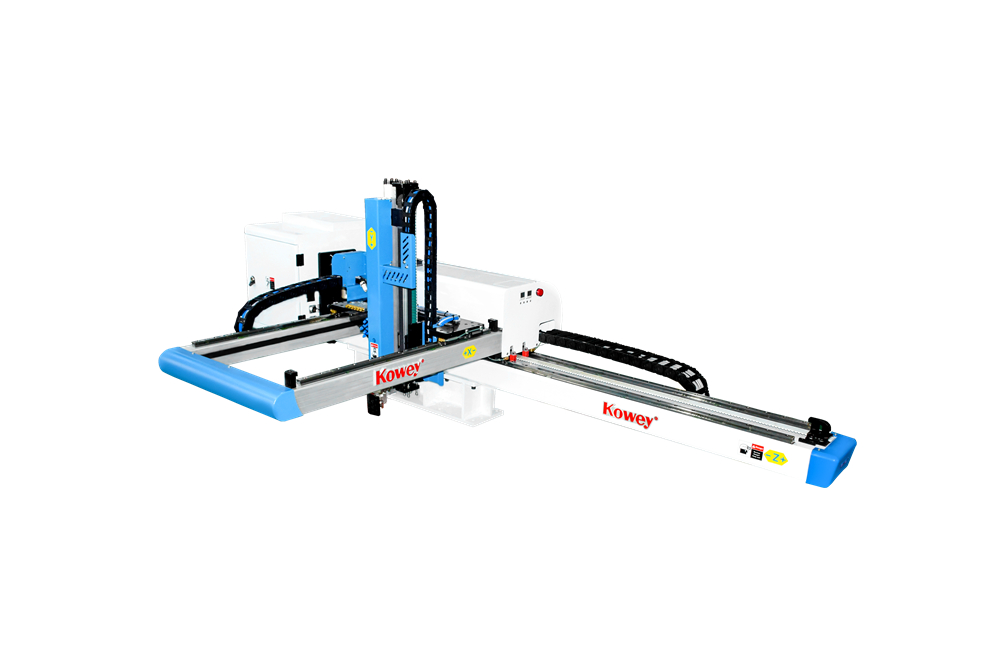
State-of-the-art linear side-entry servo robotics execute label positioning and part extraction with mold-open durations as low as 0.7 to 1.2 seconds.
Deep-learning cameras and integrated spark electrostatic systems verify zero micron-level defects before stacking and packaging.
Consumer packaged goods (CPG) companies, fast-moving consumer goods (FMCG) corporations, and industrial chemical processors demand packaging that provides maximum visual shelf appeal alongside uncompromising barrier integrity. Modern multi-cavity IML robotics meet these stringent criteria by combining ultra-high-speed side-entry positioning with advanced electrostatic pin-charging systems.
Furthermore, the push toward light-weighting has accelerated the adoption of servo-electric injection molding machines paired with high-rigidity structural robots. By using finite element analysis (FEA) optimized carbon fiber arms, high-tier IML automation systems deliver cycle times unattainable by legacy top-entry extraction mechanisms.
In high-speed food packaging applications, hygiene, cycle time, and air barrier capabilities are critical. Side-entry IML automation allows for 4-, 8-, and 16-cavity molds running at total dry cycles under 3.5 seconds. The label acts as an extra thermal and oxygen barrier, safeguarding product freshness while delivering photorealistic graphics, metallic foils, or soft-touch tactile finishes on butter tubs, ice cream tubs, and yogurt cups.
Industrial packaging containers, ranging from 5-liter to 25-liter buckets, undergo extreme physical stress during handling, drop testing, stacking, and shipping. Traditional paper or adhesive labels degrade when exposed to moisture, aggressive solvents, and severe UV radiation. Large-scale IML robot systems apply wrap-around, puncture-resistant labels that withstand extreme scuffing, weather extremes, and chemical exposure, ensuring critical safety warnings and traceability barcodes remain intact throughout the container life cycle.
Medical sharps containers, biohazard bins, and reagent vessels demand cleanroom-grade compliance (ISO Class 7 and 8). Fully enclosed servo-driven IML automation removes human intervention from the labeling and molding zones, eliminating biological contamination risks. High-contrast, indelibly fused warning labels guarantee that hazardous bio-waste protocols remain legible under autoclave sterilization conditions.
In the personal care sector, packaging aesthetics dictate consumer purchasing decisions. High-end cosmetic jars, detergent bottles, and shampoo tubs leverage multi-panel or wrap-around IML with glossy, matte, peel-and-reveal, or transparent "no-label look" films. This achieves high-definition visual appeal without post-production label wrinkling or edge curling caused by damp bathroom environments.
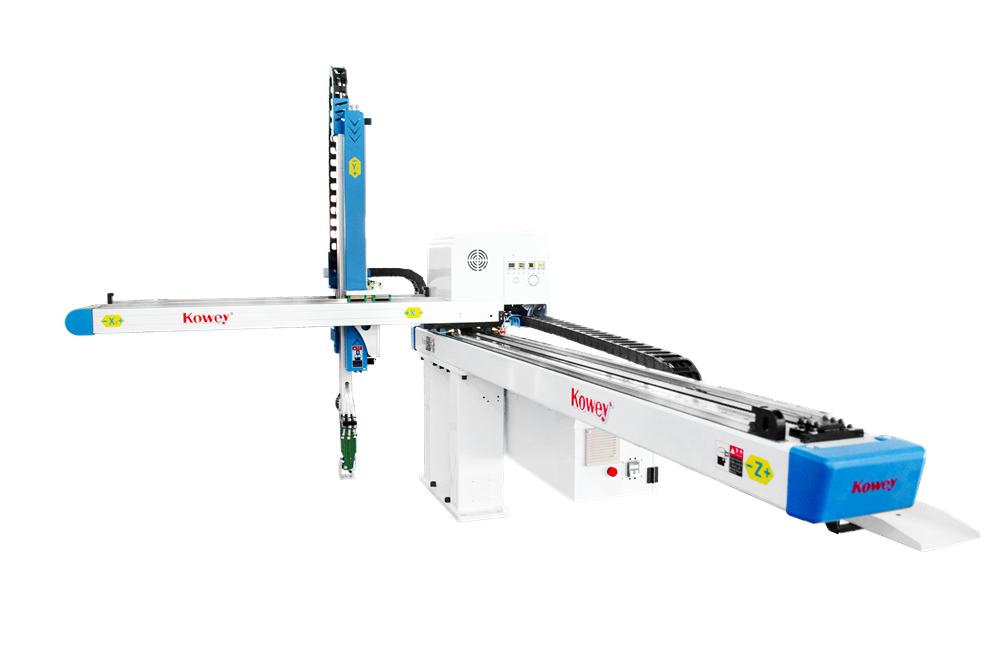
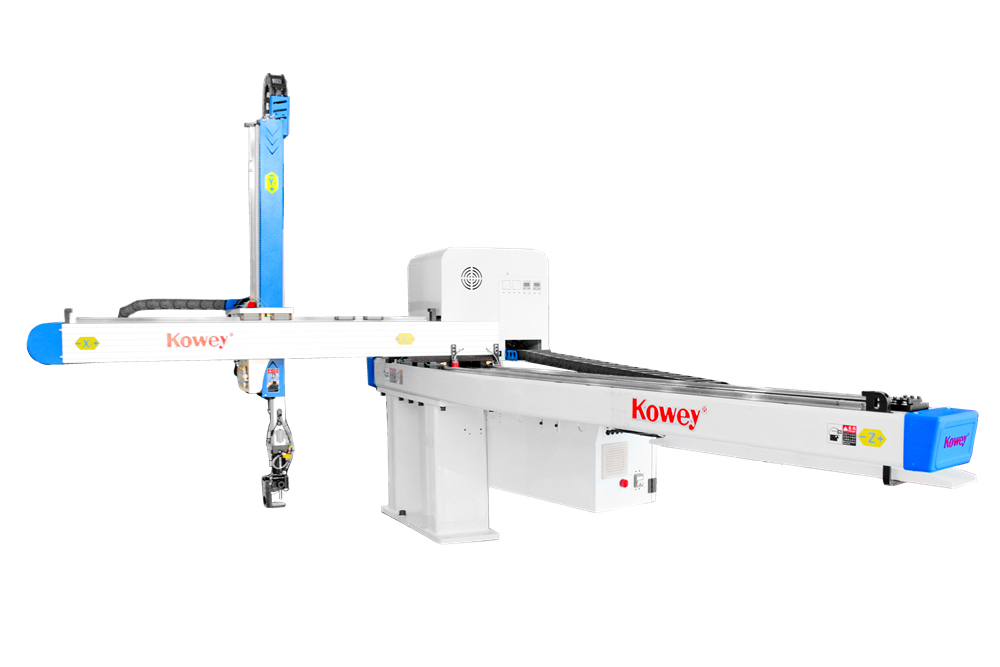
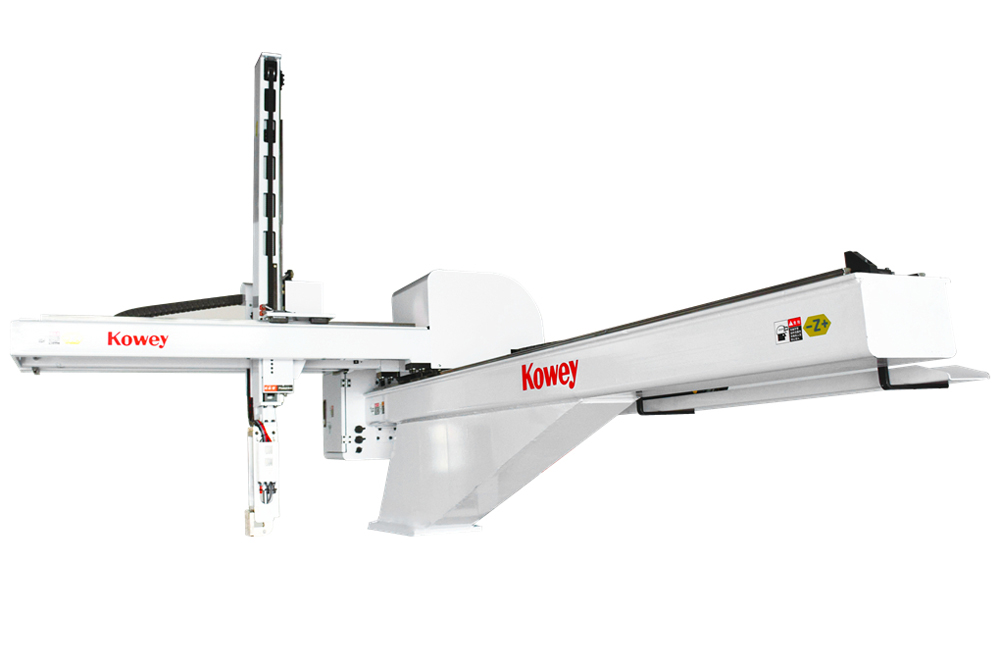
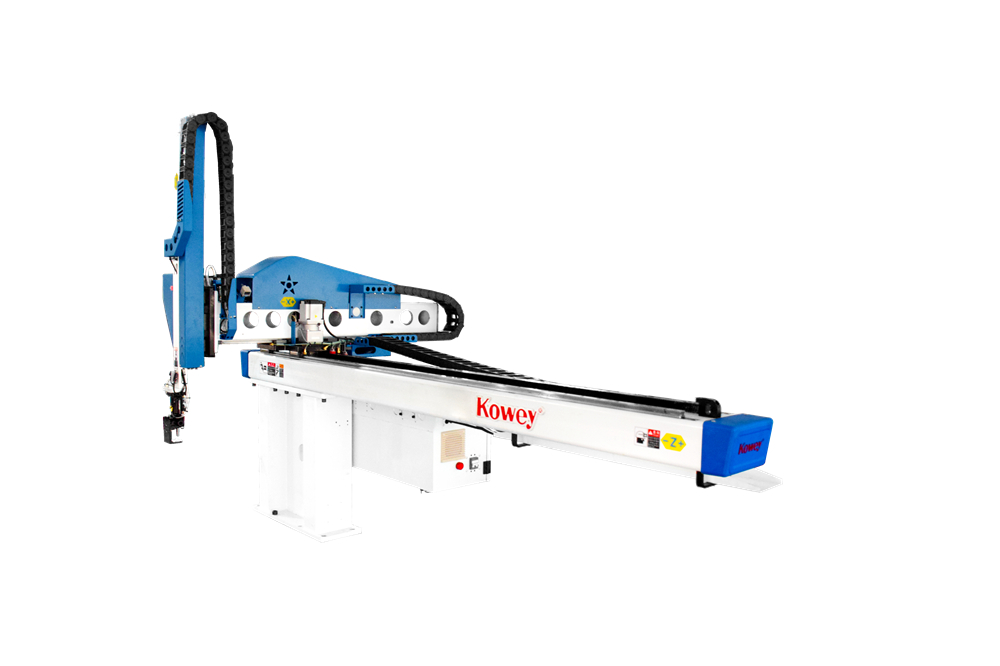
Achieving stable operation in an In Mold Labeling System For Plastic Container Packaging requires synchronization across pneumatic circuits, electrostatic charging systems, mechanical transfer fixtures, and mold tooling. When selecting an automation line, production managers evaluate several engineering parameters:
Precise label placement relies on high-voltage static generators (typically operating between 15 kV to 30 kV) delivering a regulated charge through the robotic dummy core tooling. When the polypropylene label is introduced into the mold core or cavity, the localized static charge creates an electrostatic attraction force, pinning the label securely against the grounded mold steel. This prevents shifting or sliding during high-velocity plastic resin injection, which often exceeds speeds of 500 mm/s. In contrast to pure vacuum transfer, electrostatic pinning eliminates surface marks, air bubbles, and label displacement.
Linear IML robots operate under intense accelerations up to 10G. To achieve this without introducing micro-vibrations that cause label placement errors or mold crashes, the motion framework must combine brushless absolute servo motors with dual linear guides and carbon fiber or extruded aviation-grade aluminum beams. Real-time fieldbus systems (EtherCAT or CANopen) guarantee that the robot motion and the injection molding machine clamp unit are synchronized within milliseconds.
World-class packaging lines integrate quality control downstream directly from the extraction phase. Once parts are retrieved by the servo take-out arm, they pass through a high-resolution 360-degree machine vision inspection tunnel. The optical system inspects for print accuracy, color consistency, flash defects, incomplete label coverage, and pinholes. Defective units are automatically rejected, while conforming containers are oriented, stacked, counted, and indexed onto automated conveyor systems for boxing or palletizing.
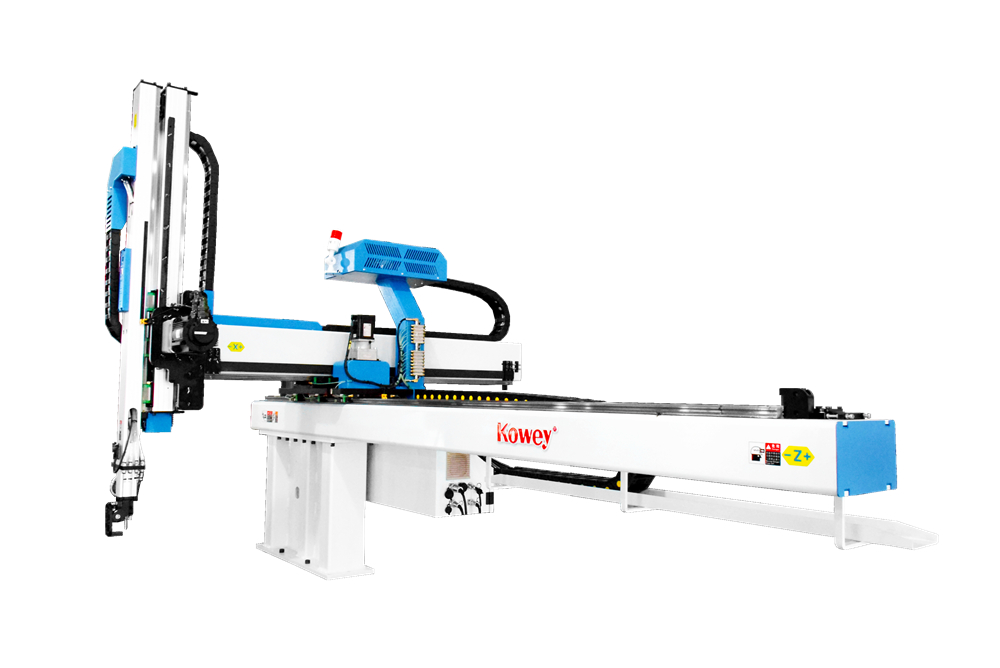
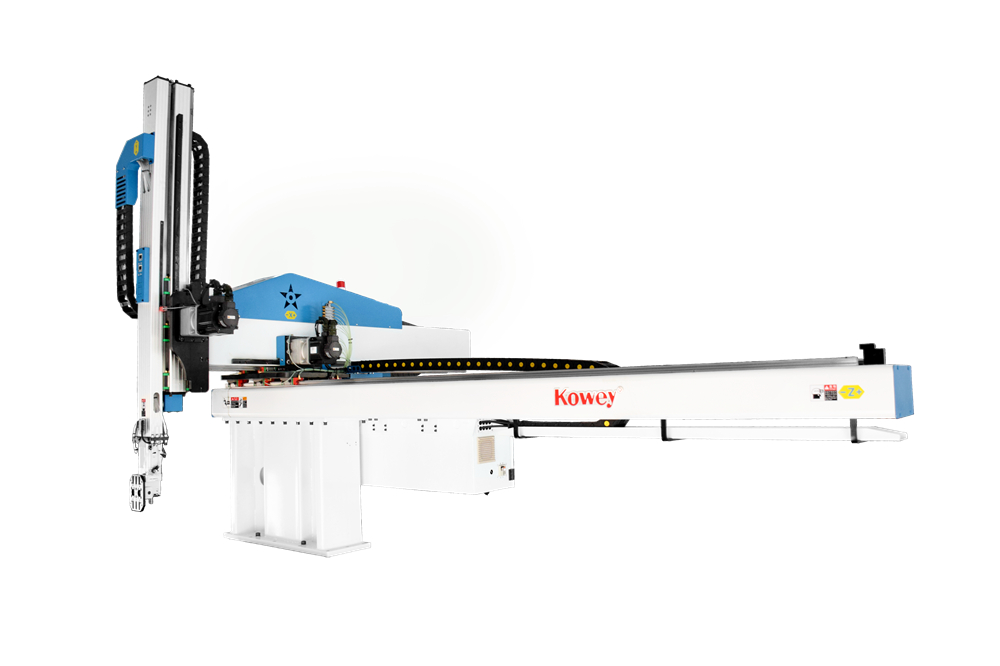
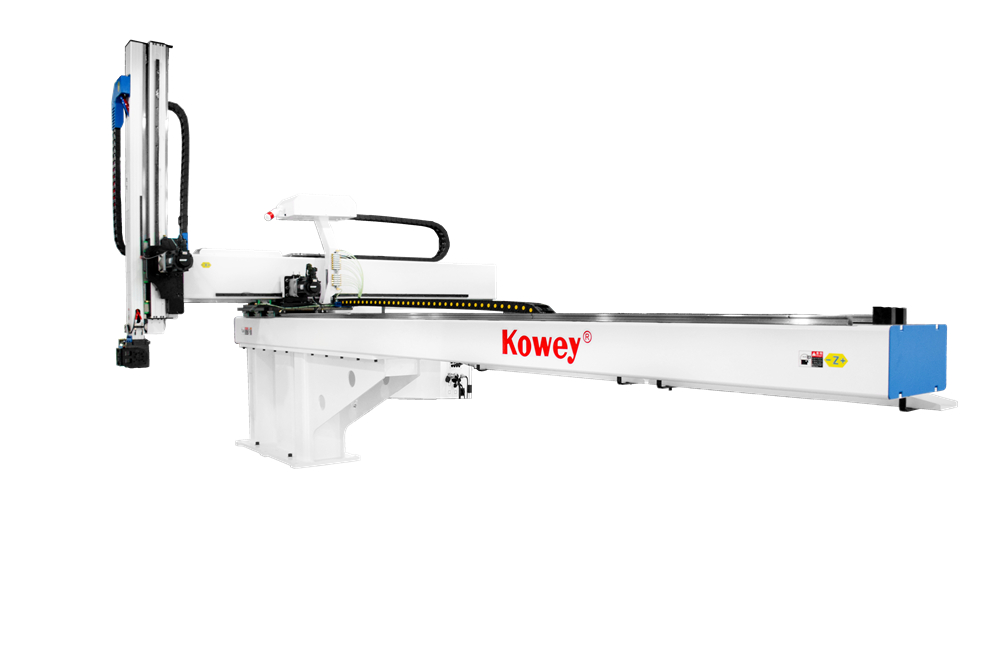
As international extended producer responsibility (EPR) regulations tighten and consumer sustainability awareness rises, the In Mold Labeling System For Plastic Container Packaging continues to prove itself as a dependable production platform for recyclable packaging. The shift toward post-consumer recycled (PCR) resin blends requires molding systems capable of handling minor melt index variations without losing dimensional or decorative accuracy.
Simultaneously, the convergence of Industry 4.0 connectivity with edge-computing industrial controllers enables modern IML platforms to predict maintenance windows, log exact electrostatic discharge values, track mold wear, and optimize power consumption per part produced. With flexible tooling systems capable of switching between bucket shapes, food containers, lids, and industrial pails in minutes, modern IML automation delivers the efficiency, flexibility, and reliability demanded by today's packaging converters.