
Leave Your Message
-
Contact Phone
-
 Contact Email
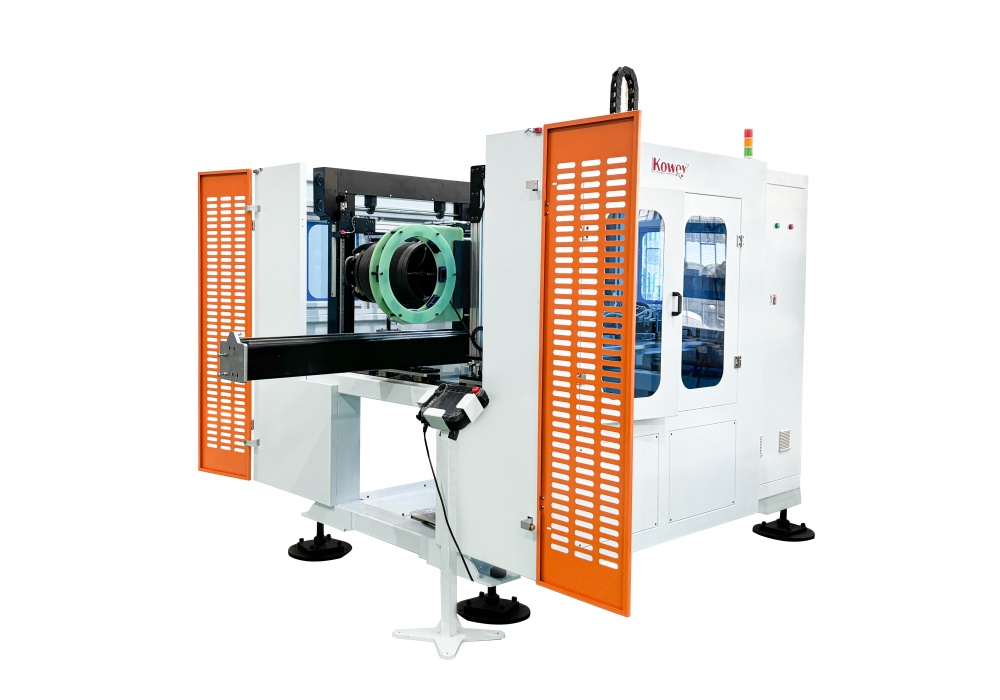
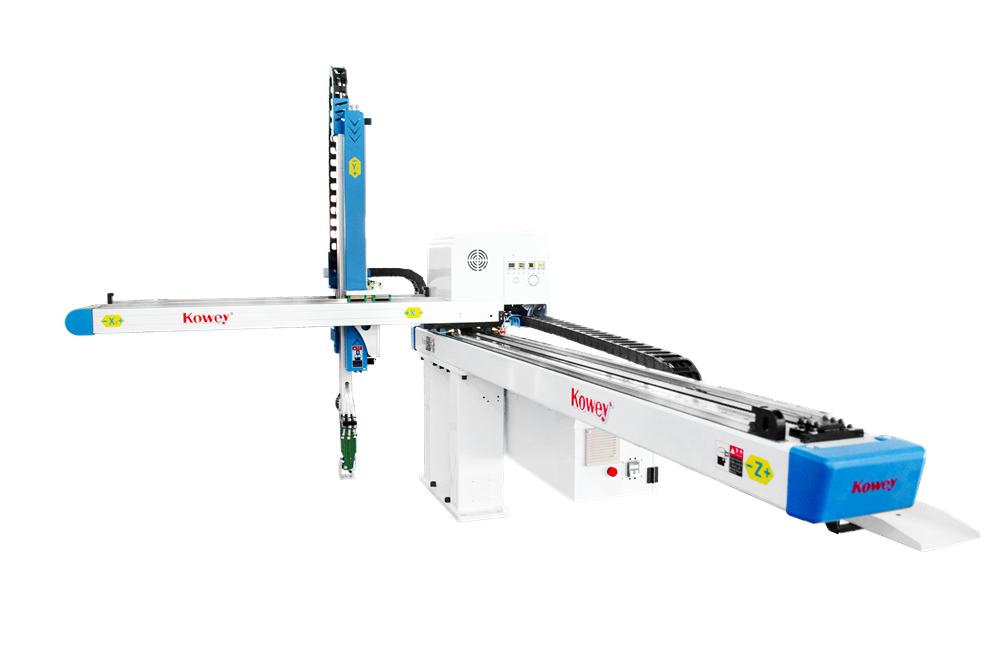
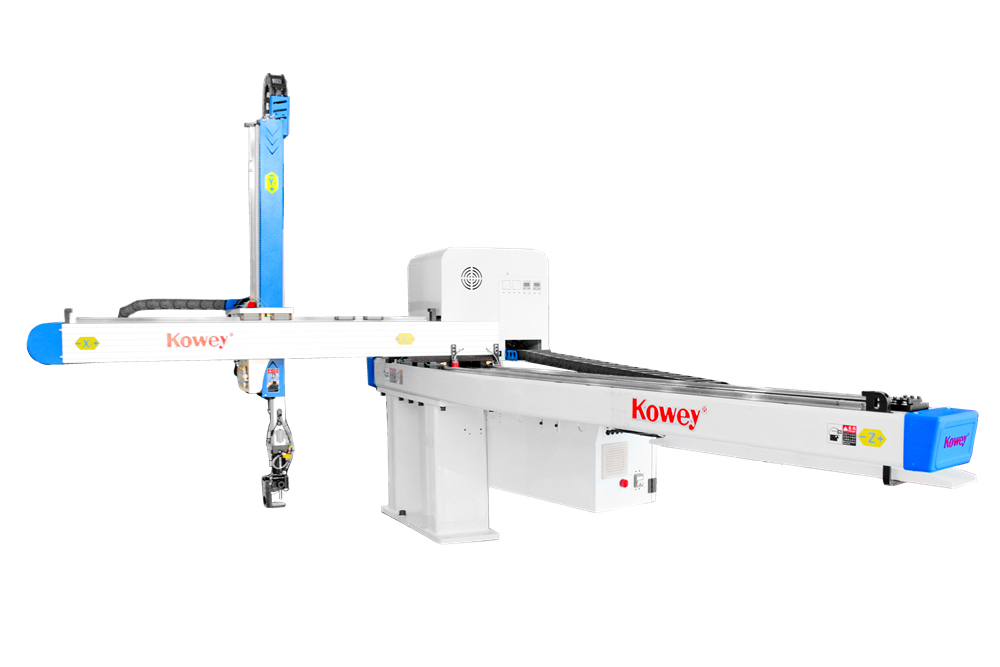
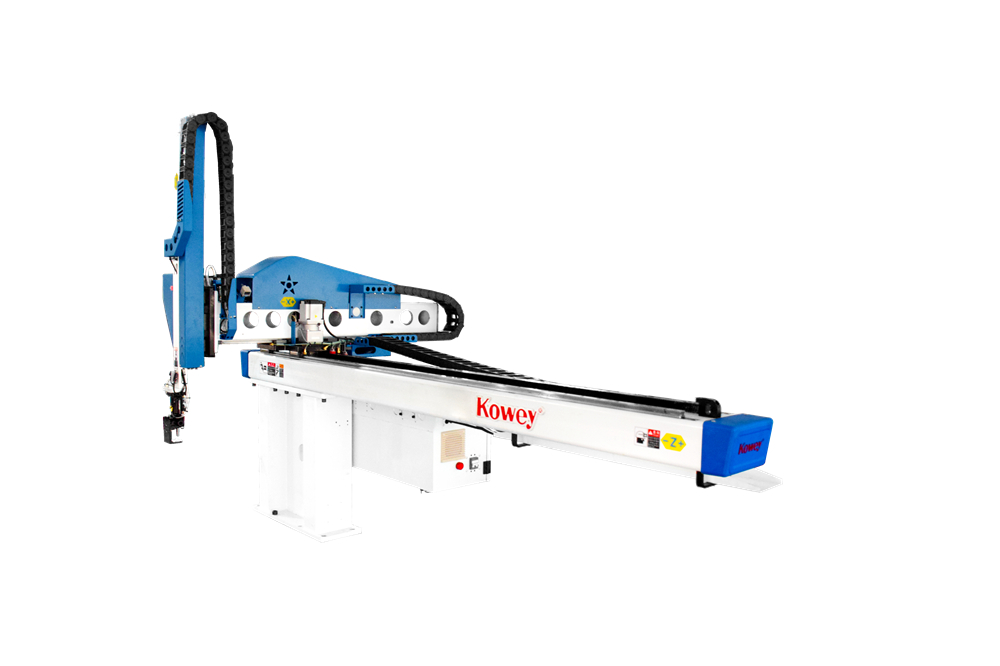
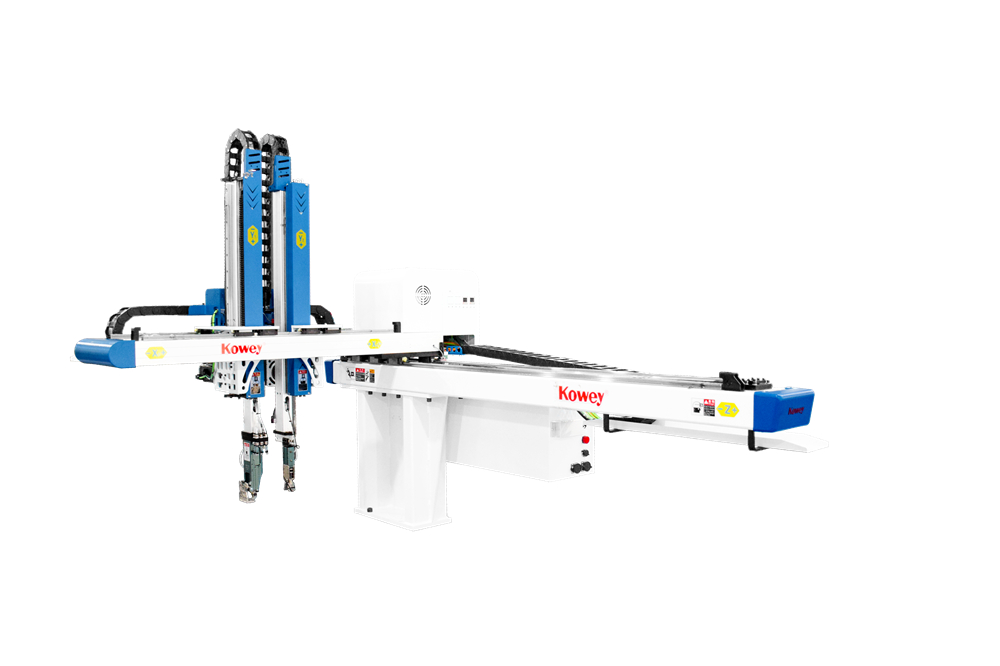
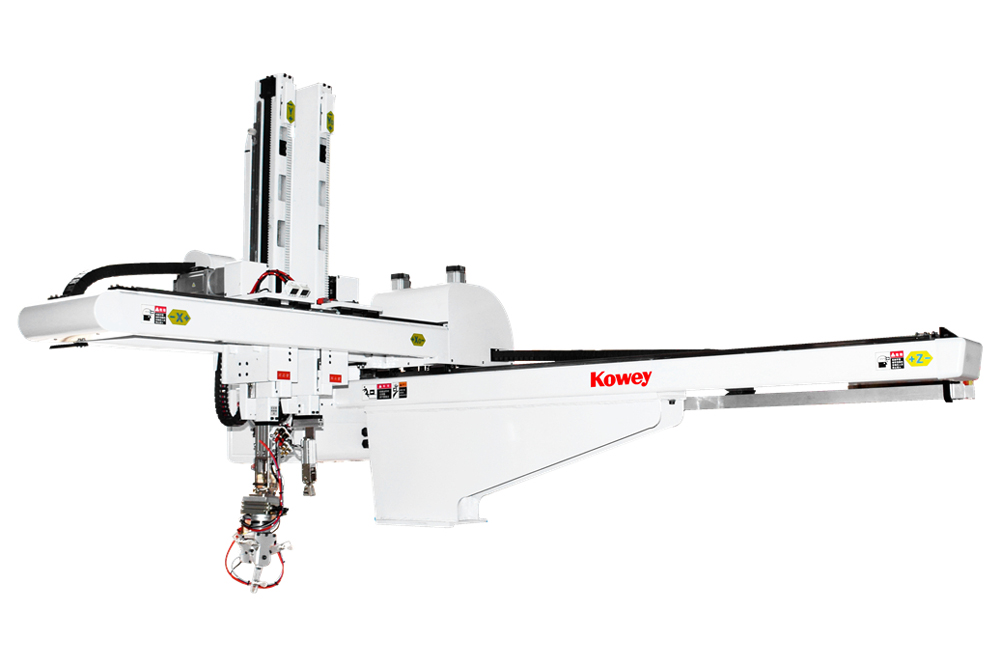
Designed for extreme cycle speeds, high cavitation tooling, and seamless electrostatic label transfer. The Side Entry IML System represents the benchmark for thin-wall food containers, drinkware, industrial buckets, and specialized healthcare packaging.
Engineered for minimal cycle times, precision label feeding, and synchronized multi-cavity retrieval.
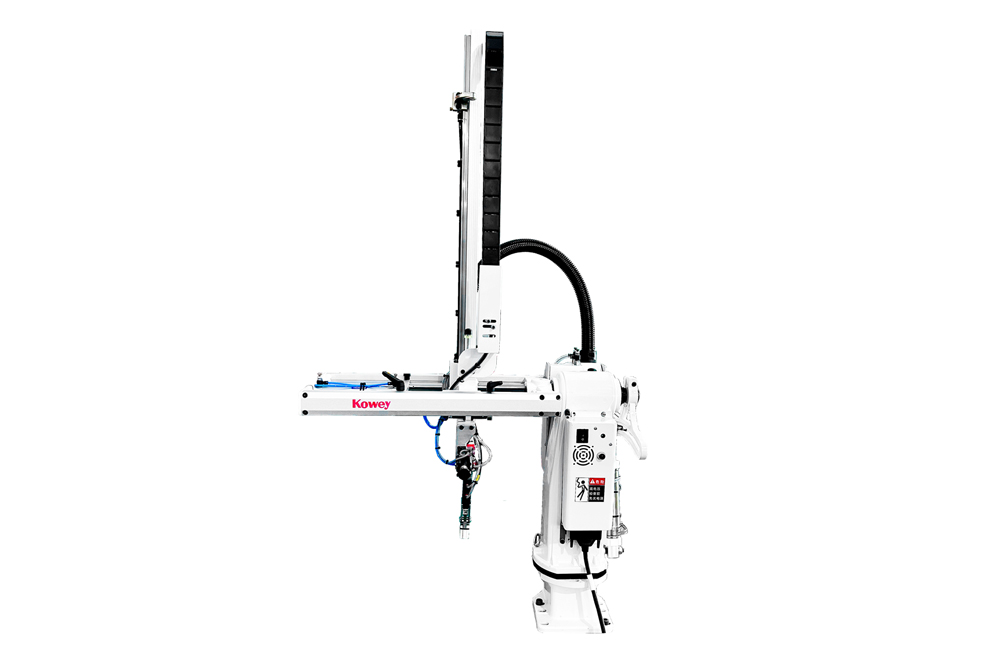
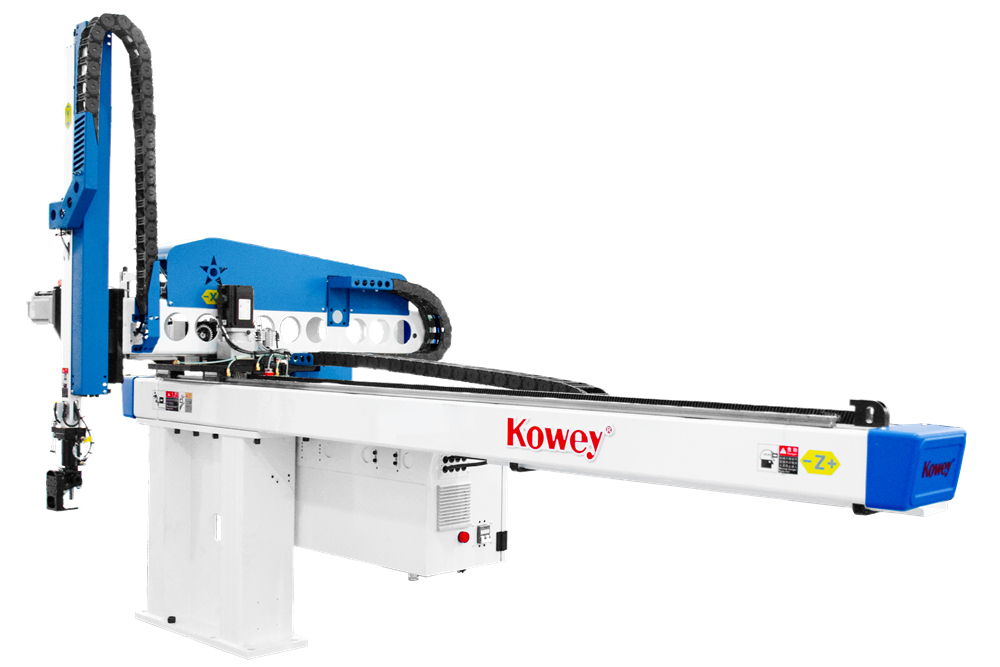
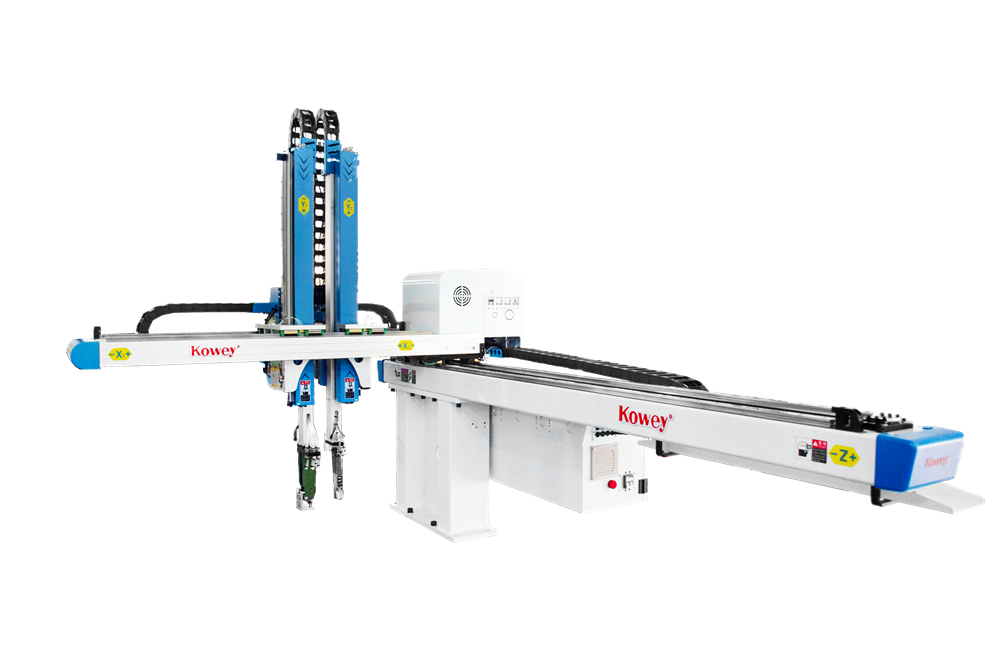
Reshaping the global rigid plastic packaging paradigm through smart automation, visual excellence, and circular sustainability.
The manufacturing arena for rigid plastic packaging has undergone a monumental shift. Brand owners, contract molders, and packaging converters no longer consider decoration an afterthought; instead, it is an integrated structural element of the component itself. An In Mold Labeling System For Plastic Product Packaging (IML) harmonizes three traditionally distinct phases: part molding, surface decoration, and barrier integration, executing all three simultaneously within the core injection cycle.
In the contemporary packaging supply chain, traditional post-mold decorating techniques—such as pressure-sensitive self-adhesive labeling, direct dry-offset printing, screen printing, and heat transfer labeling—struggle against the rising demands for ultra-short lead times, premium visual graphics, zero-defect quality thresholds, and rigorous environmental mandates. The IML process bridges these gaps by utilizing a pre-printed polypropylene (PP) or polystyrene (PS) film inserted straight into the injection mold prior to clamping. When molten resin fills the tool under high pressure and temperature, the label fuses with the substrate, yielding a single, monomaterial, photo-realistic packaging product.
Both label and container share the identical polymer matrix (100% Polypropylene), removing sorting bottlenecks and driving true closed-loop mechanical recycling compliance.
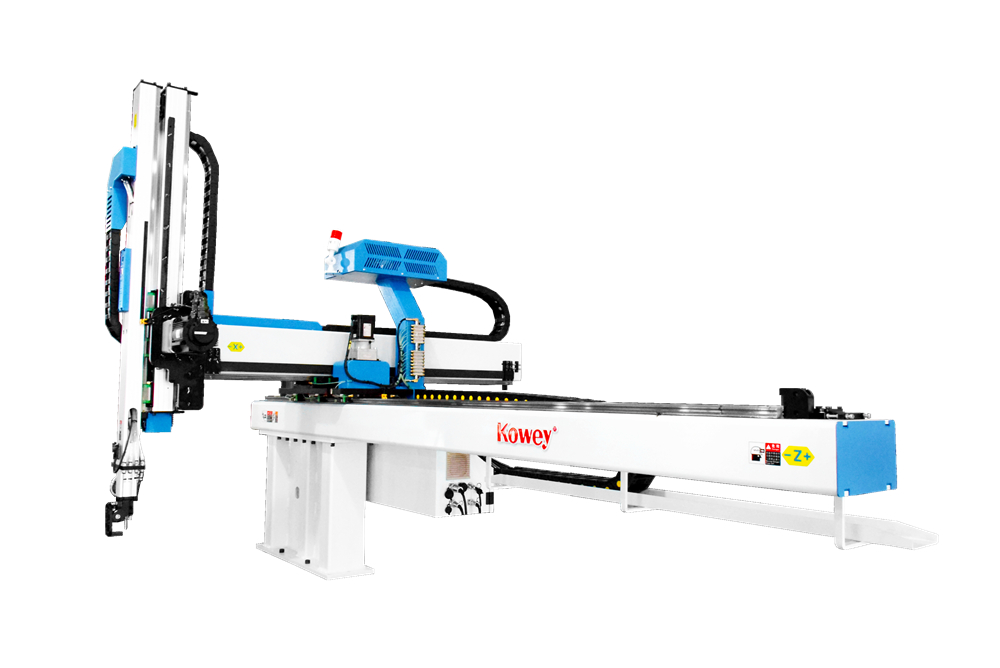
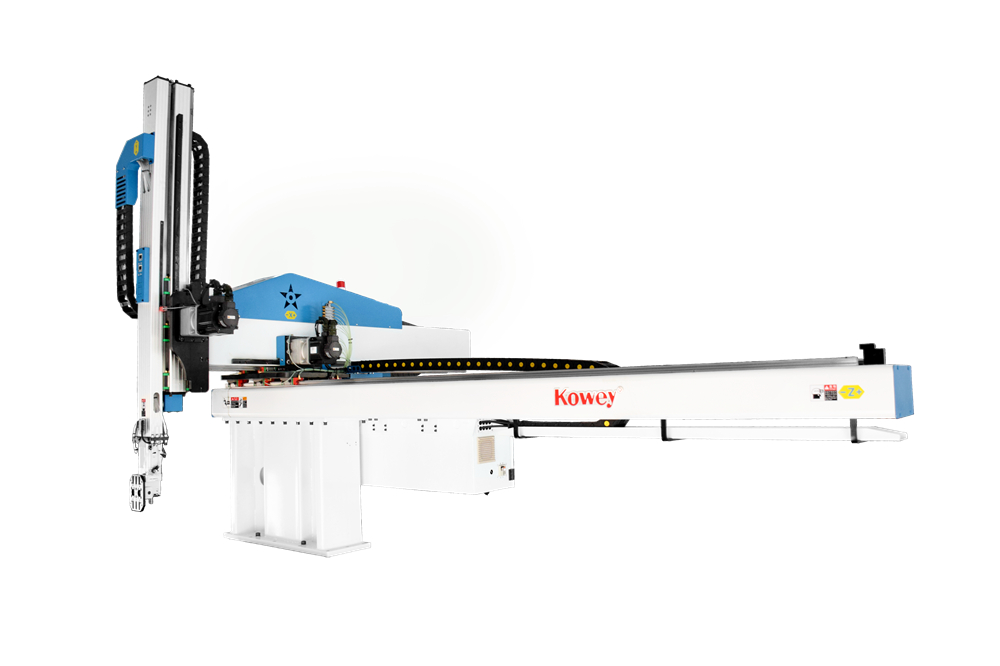
High-speed side-entry kinematics deliver sub-second mold intervention times, electrostatic label locking, and automated multi-cavity product offloading without cycle penalties.
Embedded labels exhibit complete immunity to moisture, deep-freeze storage (-40°C), abrasion, peeling, and chemical exposure across the entire supply chain.
Understanding the mechanical synergy, electrostatic charging, and servo controls behind modern IML systems.
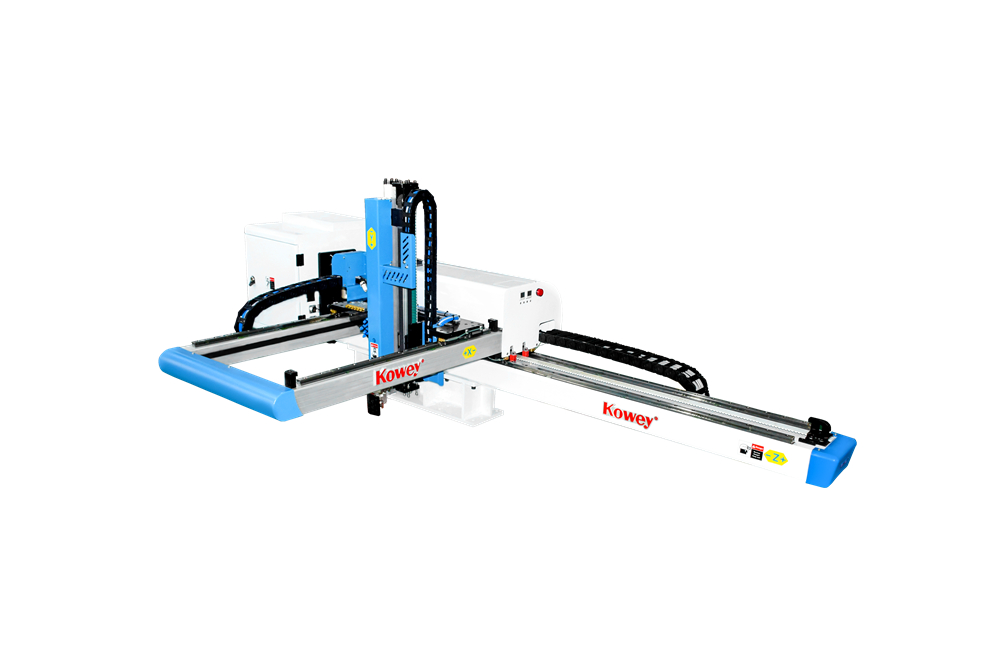
A high-speed In Mold Labeling automation system is an orchestration of sophisticated electromechanical subsystems designed to operate with sub-millimeter tolerances under relentless 24/7 operating regimes. The core architecture consists of high-capacity label magazines, multi-axis servo transfer heads, electrostatic charging electrodes, specialized vacuum end-of-arm tooling (EOAT), and downstream vision validation modules.
1. Electrostatic Adhesion and Label Physics: One of the most critical physics phases in an IML system is the transfer and retention of the label within the mold cavity. High-voltage charging generators (typically operating between 15kV to 30kV) induce a controlled static charge on the back of the label substrate. As the EOAT inserts the label into the chilled mold cavity steel, the label transfers instantaneously without mechanical clips, adhering flat against the cavity walls without wrinkles, air pockets, or displacement caused by high-velocity resin injection.
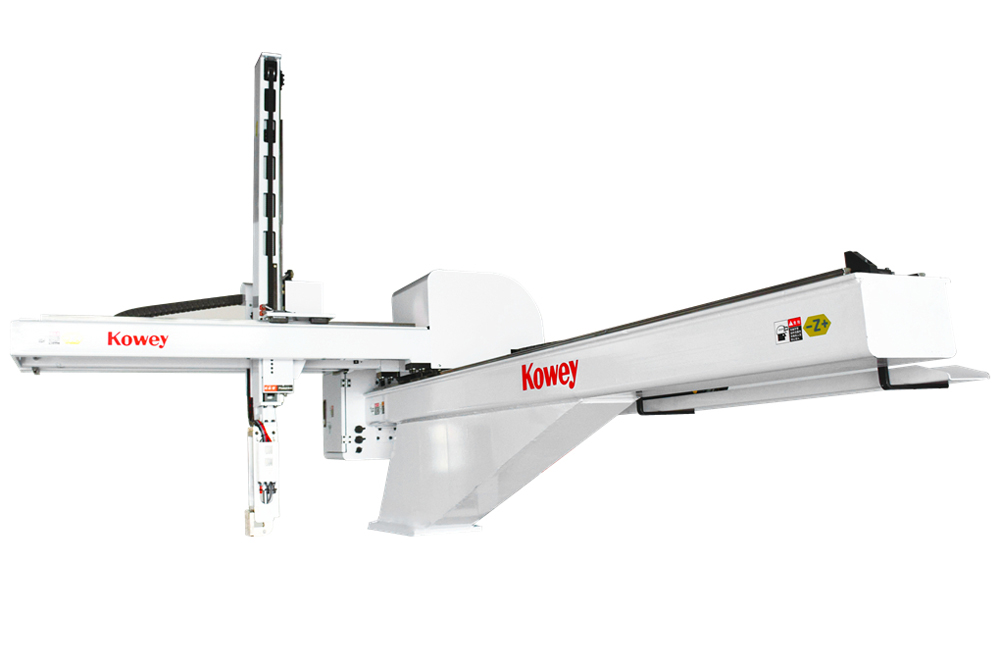
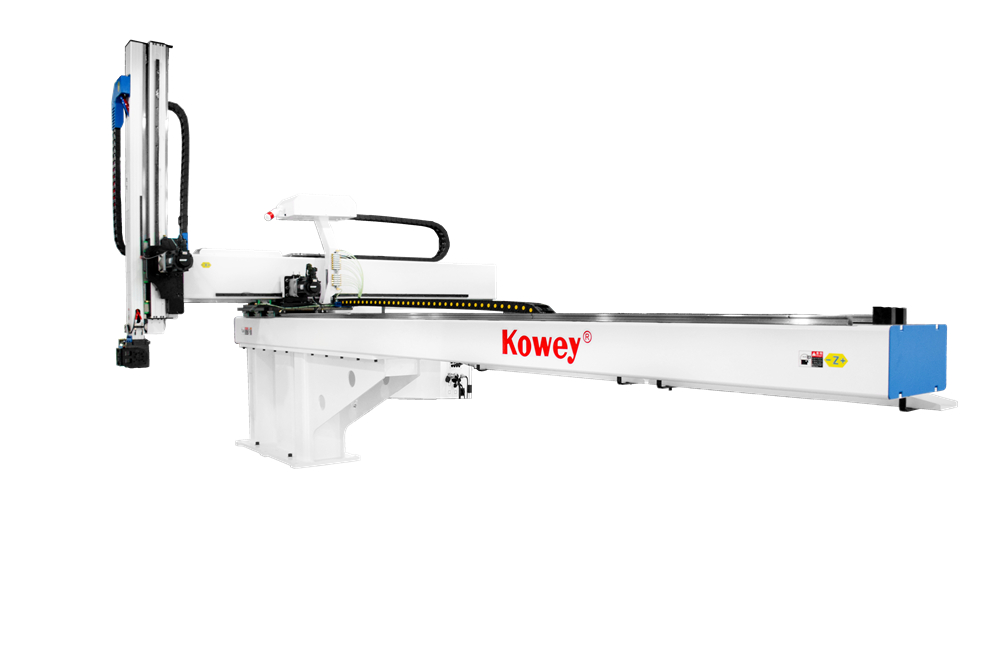
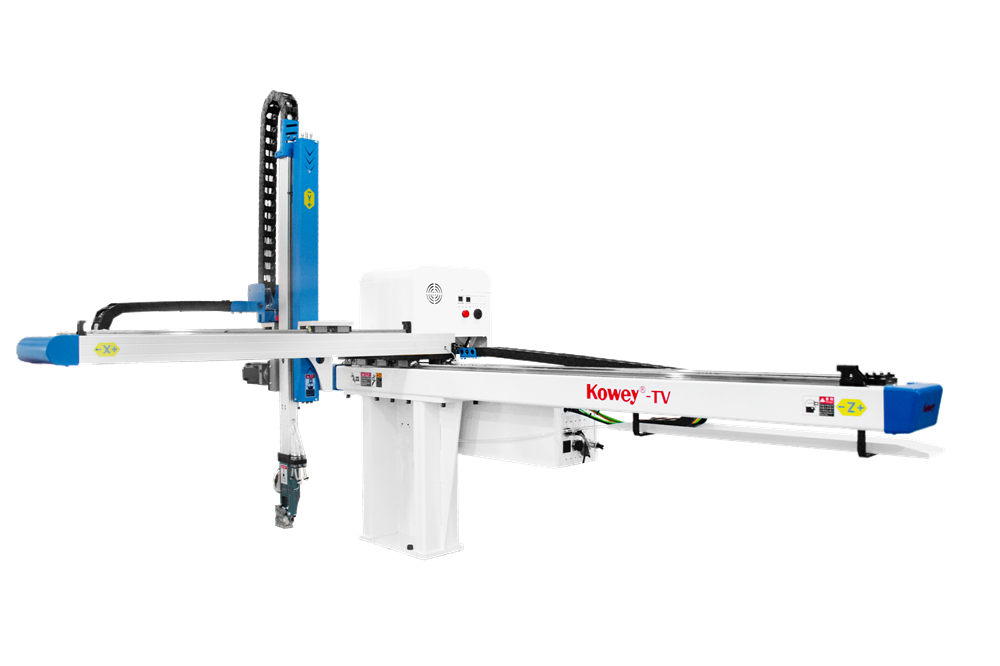
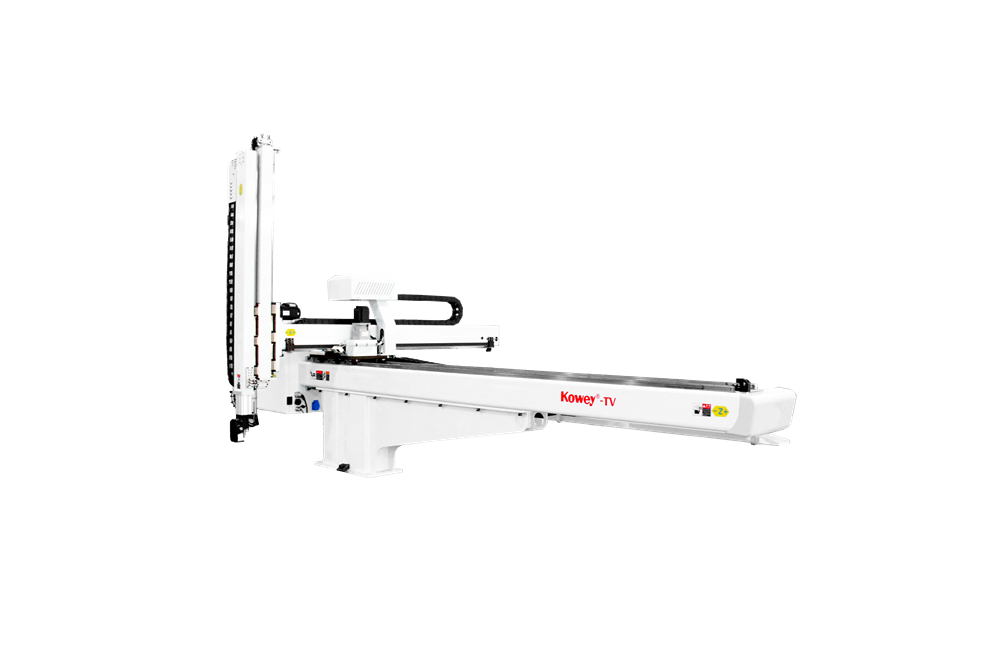
2. Side-Entry vs. Top-Entry Kinematics: In large-scale packaging operations, side-entry robotic architectures dominate. By accessing the mold from the non-operator side, a side-entry IML robot circumvents vertical daylight restrictions, drastically minimizes the required mold stroke, and optimizes cycle times. The horizontal motion profile allows acceleration curves exceeding 10G, achieving mold intervention windows as brief as 0.35 to 0.8 seconds. This rapid mechanical movement ensures minimal cooling of the mold tool faces during mold-open phases, preserving operational thermal stability.
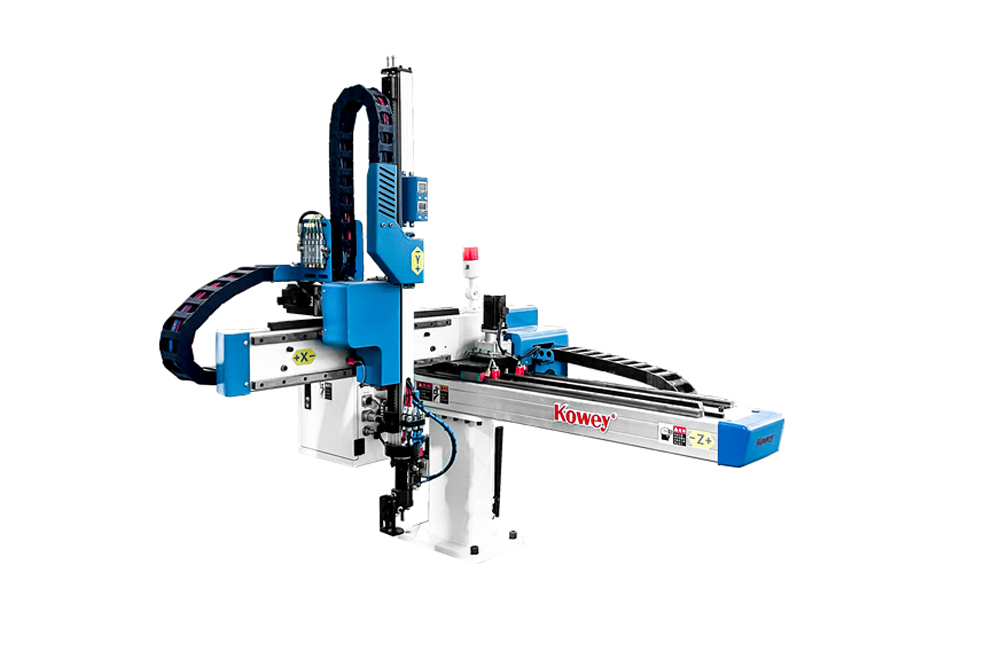
3. Advanced End-of-Arm Tooling (EOAT): The EOAT functions as a dual-purpose kinetic interface. While its forward-facing structure utilizes precision vacuum suction cups and static charging emitters to position labels precisely into 4, 8, 16, or 32 cavity molds, its rear section incorporates dedicated vacuum suction or mechanical grippers to extract the finished molded packaging parts simultaneously. This integrated "place-and-retrieve" sequence compresses the handling phase into a singular, fluid motion, preventing mold-open idle time.
Tailored engineering implementations across food, consumer goods, chemical, and medical sectors.
The versatility of the In Mold Labeling System For Plastic Product Packaging is reflected in its widespread adoption across diverse industries, each imposing specialized functional, visual, and regulatory benchmarks:
FMCG, Dairy, and Thin-Wall Food Packaging: In high-throughput food packaging—such as yogurt tubs, ice cream containers, butter tubs, and ready-to-eat meal containers—IML is the uncontested gold standard. These components feature ultra-thin walls (0.35mm to 0.60mm) to minimize polymer usage and reduce transit weight. The in-mold label acts not only as decorative printing with 1200+ DPI photographic resolution but also acts as an external reinforcing skin, enhancing structural hoop strength and top-load crush capacity. Furthermore, advanced EVOH/PP barrier labels can be integrated to block oxygen and UV transmission, significantly extending the shelf life of perishable foodstuffs without requiring secondary foil overwraps.
Industrial Pails, Chemical Drums, and Paint Buckets: For larger containers ranging from 1-liter chemical bottles to 20-liter heavy-duty construction buckets, packaging robustness is paramount. Traditional post-mold labels on industrial pails are susceptible to scuffing, chemical degradation, bubbling, and edge peeling during transport. Industrial IML systems insert wraparound, 3-sided, or 5-sided labels that meld with high-density polyethylene (HDPE) or copolymer polypropylene (PP). These labels withstand harsh chemical solvents, outdoor weathering, high-pressure stacking, and aggressive logistics environments while accommodating mandatory GHS hazardous materials certification markings permanently.
Beverage Drinkware, Cups, and Cutlery: Reusable stadium cups, injection-molded quick-service drinkware, and airline tableware demand wash-resistant, dishwasher-safe decorations that will not degrade across hundreds of thermal wash cycles. In-mold labeling delivers deep sub-surface graphics protected under clear gloss, matte, metallic, soft-touch, or peelable outer layers, transforming disposable beverage containers into branded, collectible assets that support extended reuse models.
Healthcare, Diagnostics, and Cleanroom Packaging: Pharmaceutical pill jars, laboratory test cassettes, and specialized medical device containers utilize IML systems operating within ISO Class 7 and Class 8 cleanroom environments. By replacing messy wet-ink printing or contaminated adhesive labels, cleanroom IML systems eliminate airborne particle generation and volatile organic compound (VOC) emissions, providing tamper-evident, fully traceable serialization and sterilization-ready packaging.
How the convergence of AI vision inspection, smart labeling, and monomaterial recycling is driving future growth.
The global In-Mold Labeling market is expanding rapidly, catalyzed by stricter international packaging waste directives, such as the European Union's Packaging and Packaging Waste Regulation (PPWR), which mandates rigorous recyclability and minimum post-consumer recycled (PCR) polymer content. IML systems directly resolve the mechanical recycling crisis: traditional self-adhesive labels utilize silicone-coated release liners, paper stocks, and acrylic adhesives that contaminate standard recycling streams. Conversely, an IML PP container uses an identical PP label matrix, allowing the entire collected container to be reground, pelletized, and reintroduced into circular manufacturing loops without expensive separation or chemical decontamination baths.
Smart Interactive Packaging & Digital Watermarks: The advent of invisible digital watermarking (such as the HolyGrail 2.0 initiative) and interactive RFID/NFC chips integrated directly inside in-mold labels is revolutionizing the post-use sorting lifecycle. Optical sorting facilities can detect micro-etched invisible watermarks across 360 degrees of the container surface at high conveyor speeds, categorizing food-grade PP from non-food PP with near 100% precision. For end-consumers, serialized QR codes printed inside the label matrix unlock digital anti-counterfeiting verification, product traceability, and interactive brand experiences via standard mobile phone scans.
Artificial Intelligence and In-Line Quality Assurance: State-of-the-art IML production systems are now paired with high-speed multi-camera AI machine vision systems. Operating at millisecond intervals, these vision algorithms evaluate 100% of the molded containers immediately after ejection. The system inspects for label presence, spatial placement accuracy, color fidelity, barcode/2D readability, edge-flashing, blistering, and micro-pinholes. Substandard components are automatically separated via pneumatic reject stations without decelerating the primary injection cycle, ensuring zero-defect delivery to filling lines.
Complete Industrial Automation Solutions Engineered for Packaging, Technical Molding, and High-Precision Robotics