
Leave Your Message
-
Contact Phone
-
 Contact Email
Engineered for food-grade thin-wall containers, industrial pails, and precision cosmetic packaging
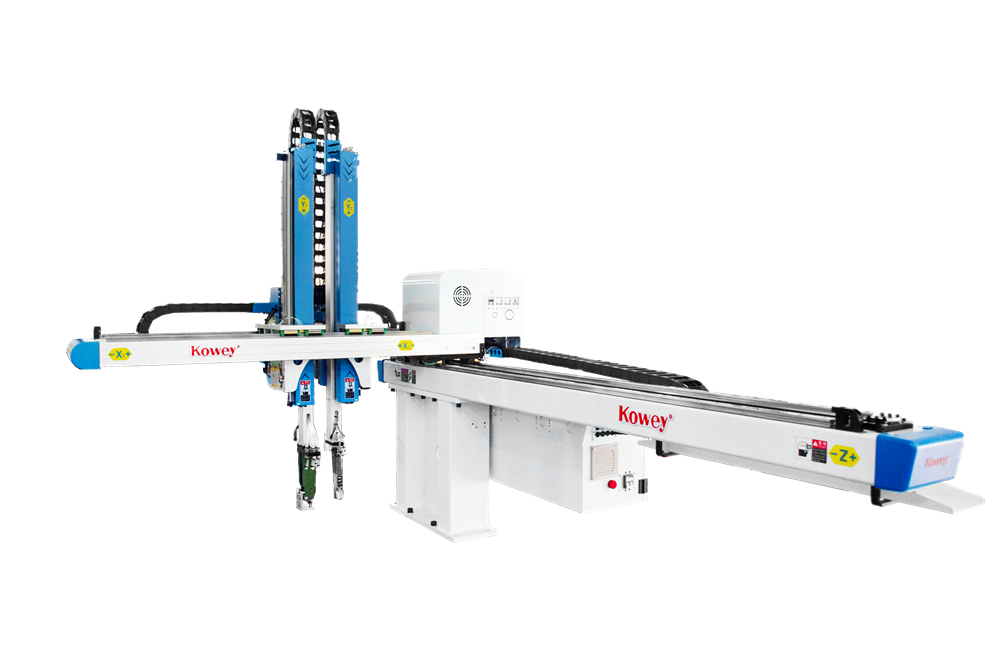
The manufacturing landscape in Mexico is undergoing an unprecedented technological shift driven by nearshoring dynamics, the expansion of the United States-Mexico-Canada Agreement (USMCA), and substantial foreign direct investments in modern injection molding infrastructure. In Mold Labeling (IML) technology has emerged as a cornerstone within this high-velocity transformation. From the plastic converters of Monterrey to the automotive and consumer packaging hubs across Guanajuato, Guadalajara (Jalisco), and Querétaro, processors are rapidly transitioning from legacy adhesive labels and post-mold printing toward integrated In Mold Labeling systems.
This technical migration is largely dictated by demanding retail brand standards, chemical durability requisites, and the circular economy imperative. In Mold Labeling seamlessly fuses the virgin or recycled polypropylene (PP) substrate with a pre-printed biaxially-oriented polypropylene (BOPP) label right inside the injection mold cavity. Because both container and label share the identical polymer class, Mexican food packaging producers can deliver 100% recyclable mono-material units that comply with stringent local environmental standards like the Mexico City Single-Use Plastics Regulations and international sustainability pacts.
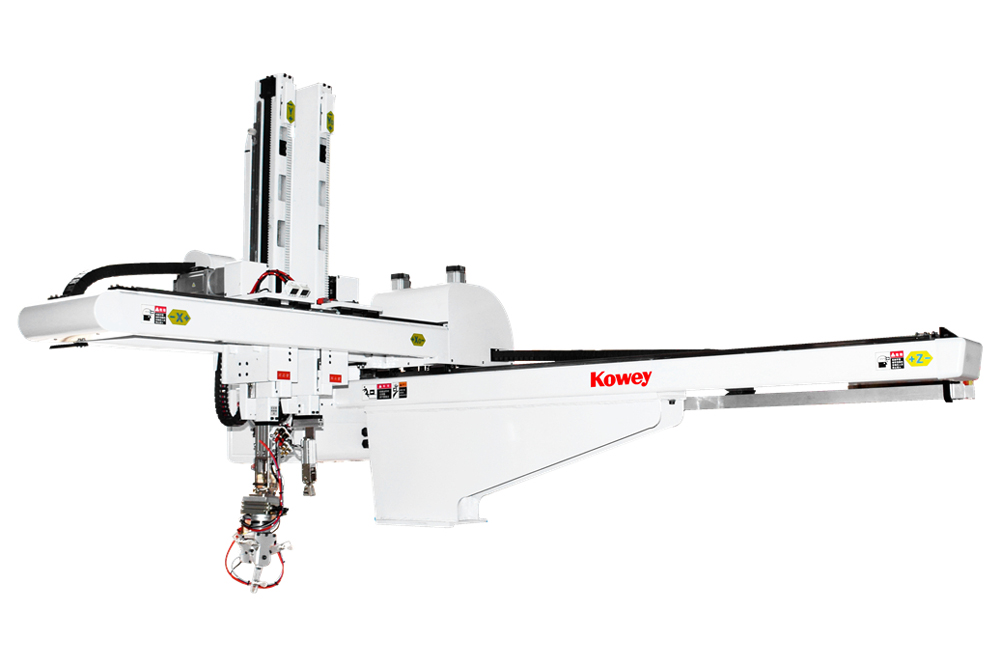
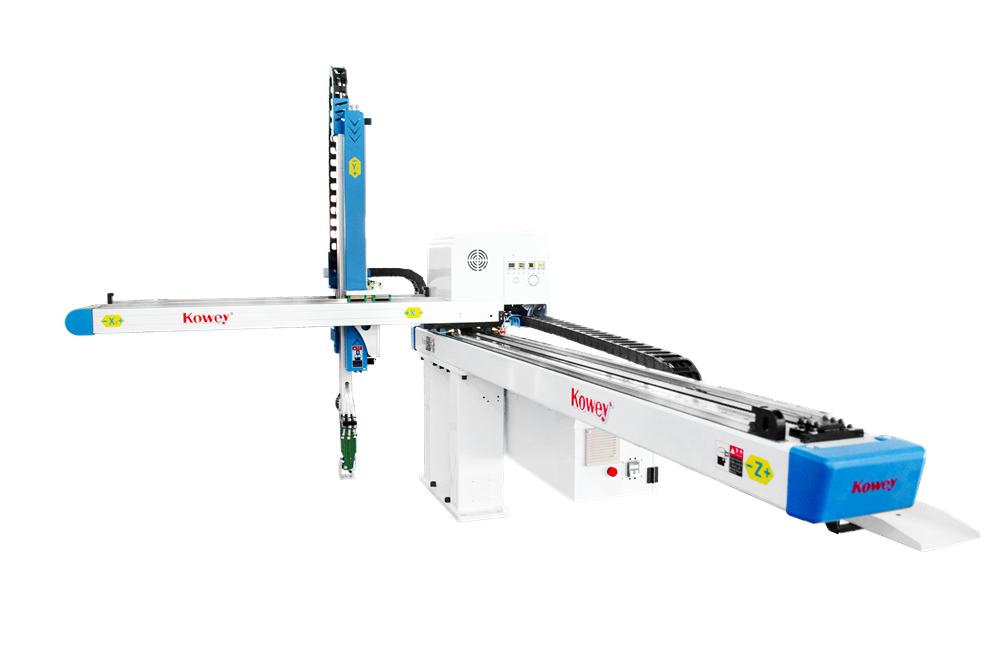
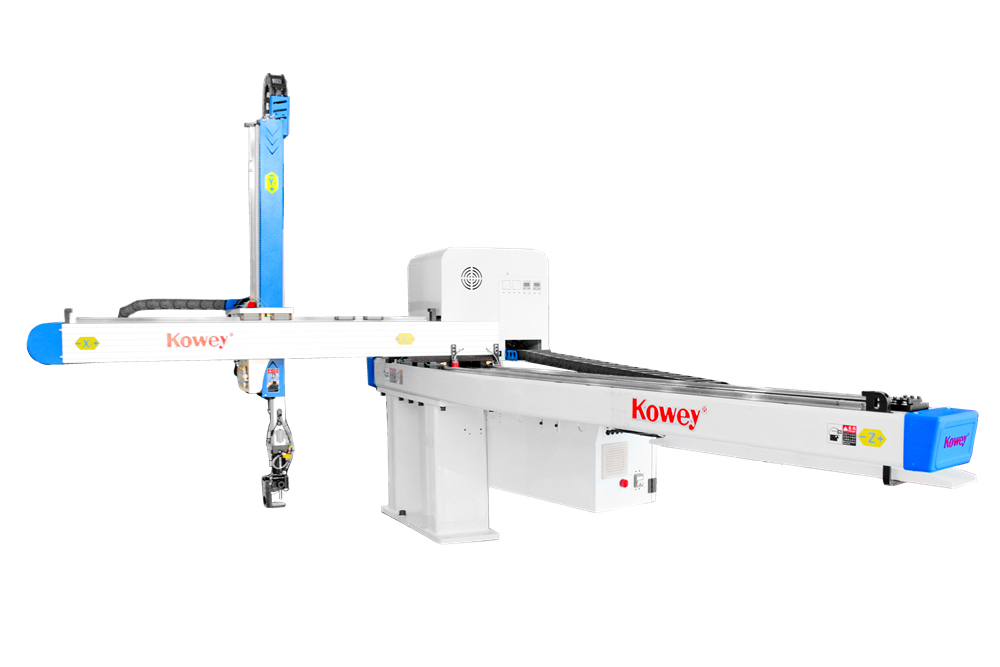
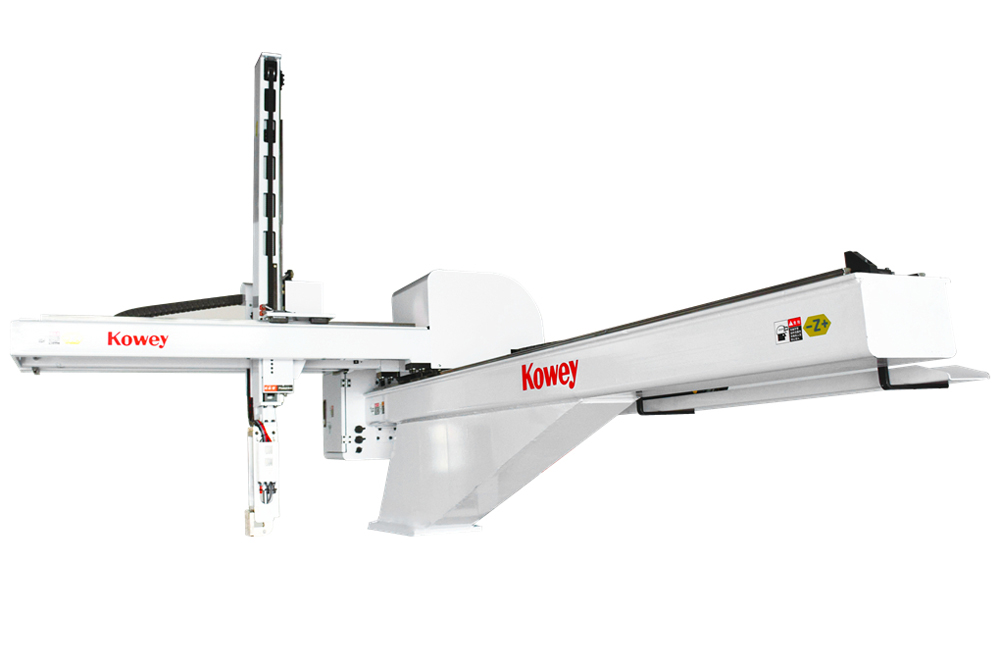
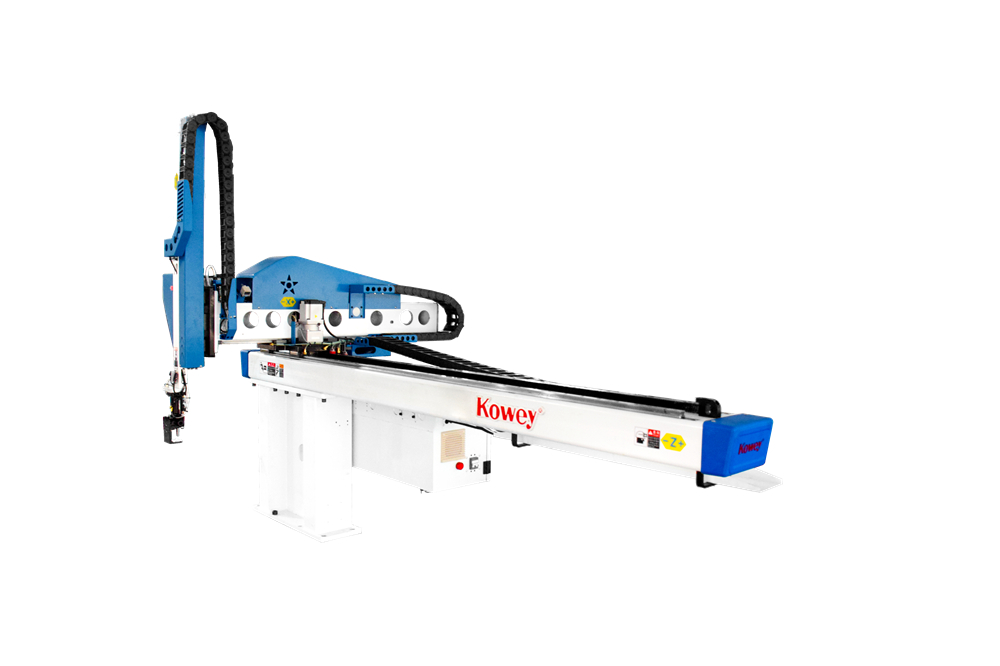
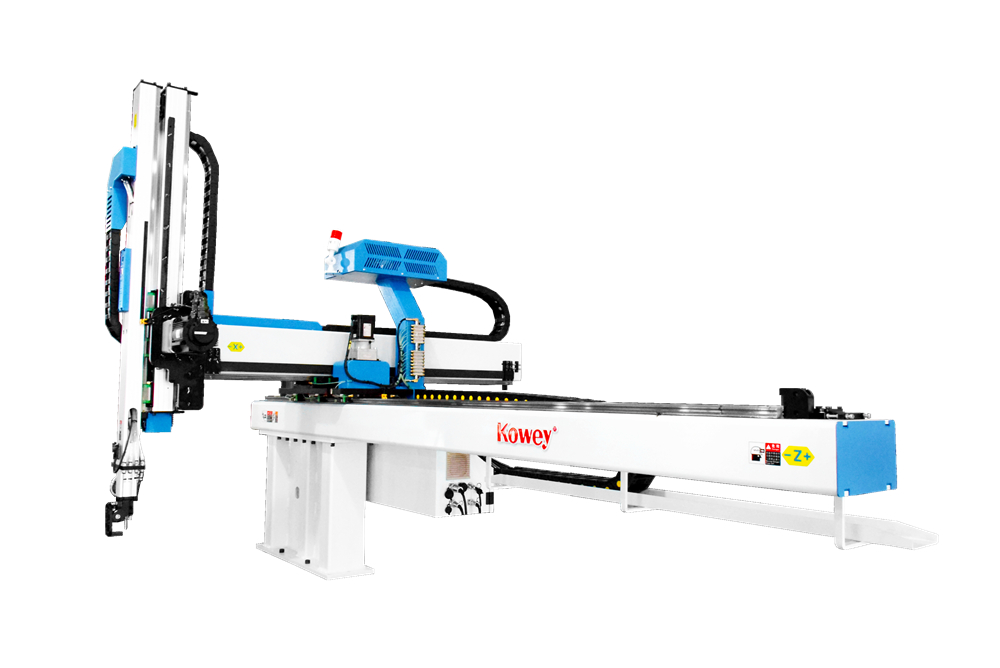
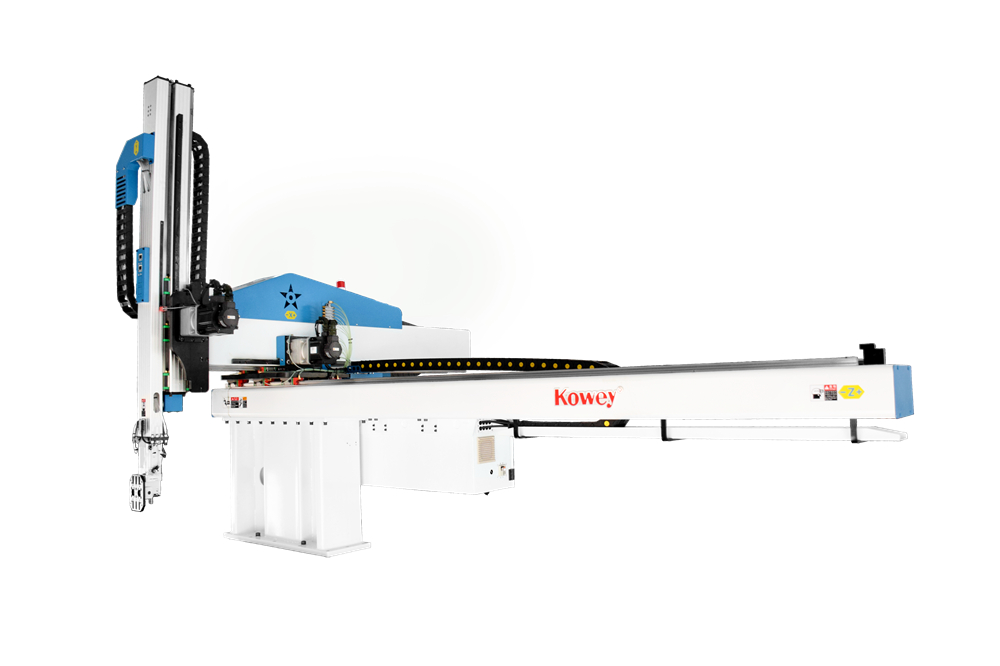
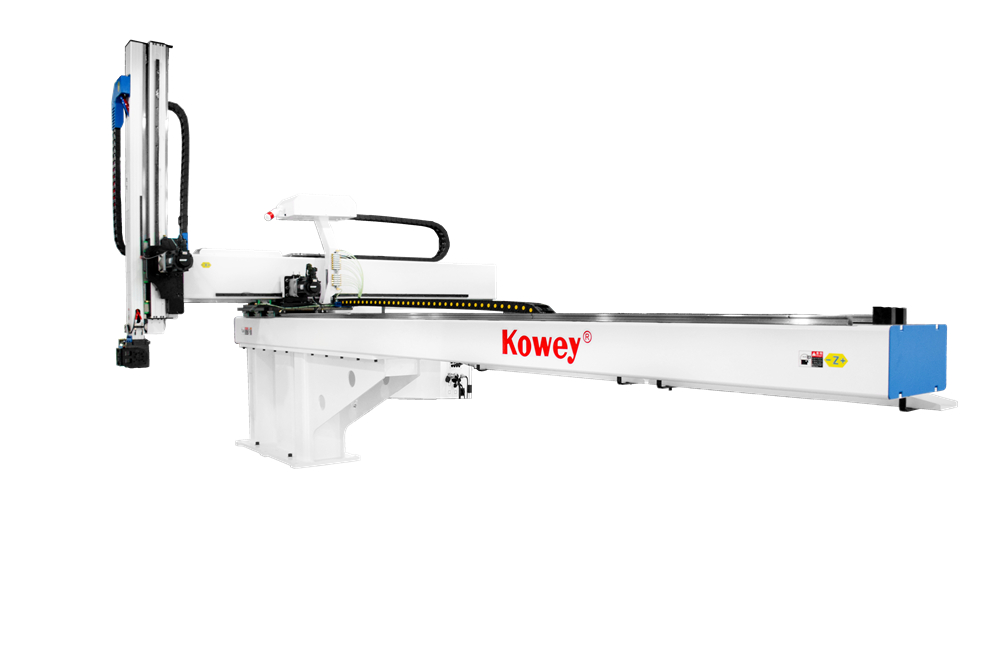
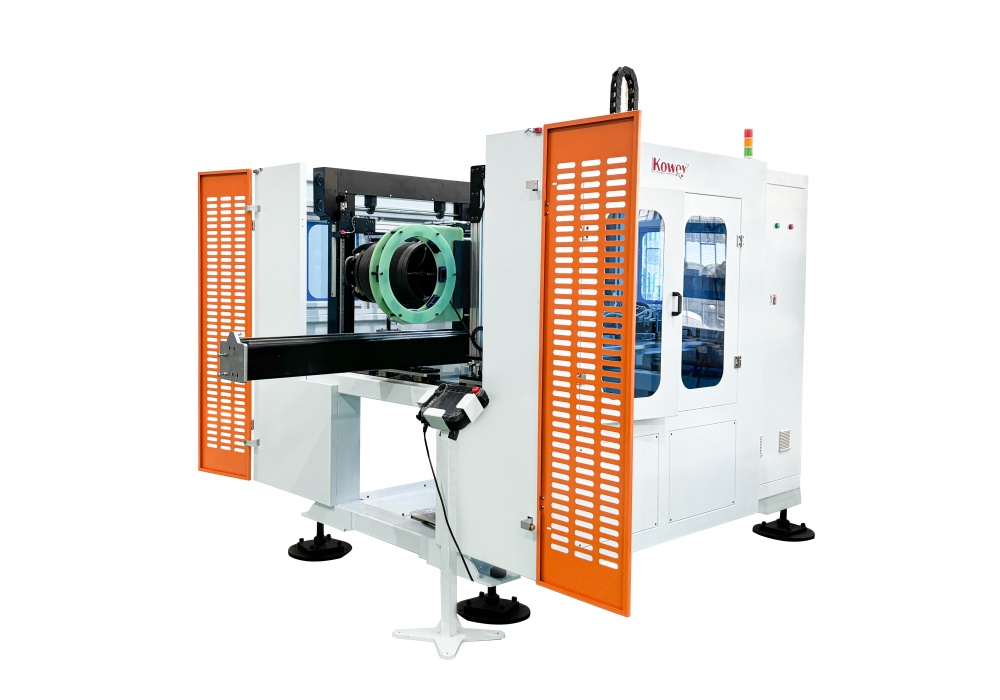
Across Mexican plastic packaging ecosystems, high-speed automated robotic pick-and-place IML cells are utilized across three predominant commercial sectors:
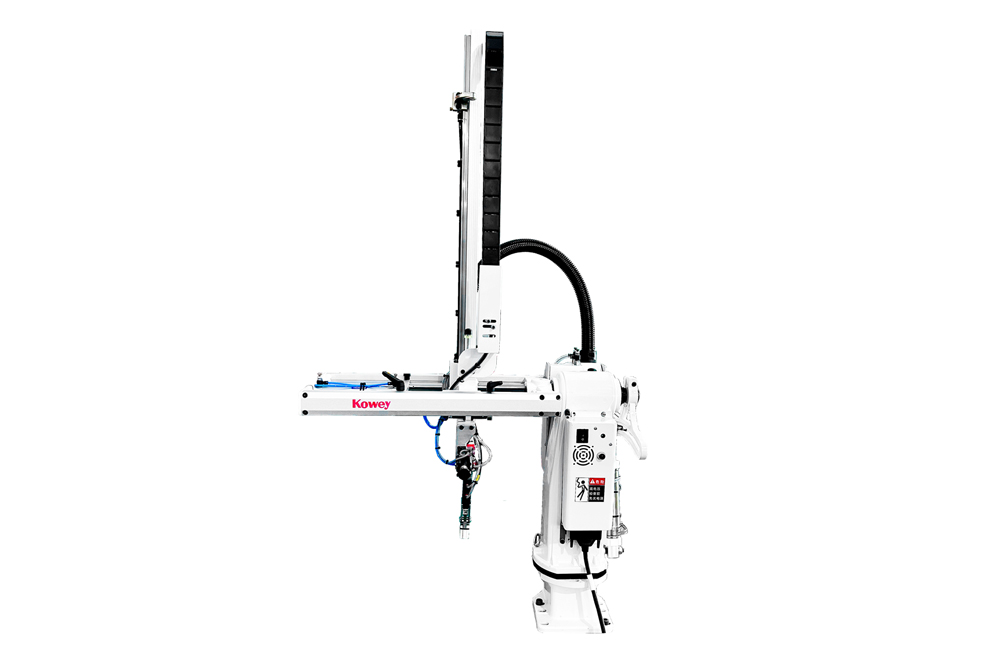
1. Food & Dairy Packaging (Jalisco and Central Bajío Hub): Jalisco and surrounding central territories are the heart of dairy, edible oils, and frozen food packaging in Mexico. Utilizing side-entry high-speed servo robots allows thin-walled margarine tubs, ice cream containers, and yogurt cups to be decorated with brilliant photographic quality, barrier coatings against oxygen and light, and total resistance to deep-freeze storage down to -30°C without risk of label peeling or fading.
2. Chemical, Lubricant, and Industrial Pail Sector (Nuevo León and Coahuila): Heavy industrial enterprises centered in Northern Mexico require 5-gallon, 10-liter, and 20-liter industrial buckets and paint cans decorated with chemical-resistant labels. Side-entry and top-entry heavy-duty IML robots integrated with pneumatic swing arm pickers and sprue removers handle large labels with vacuum-assisted EOAT (End-of-Arm Tooling) to guarantee air-bubble-free adhesion resistant to scratch, solvent exposure, and outdoor weathering.
3. Medical & Personal Care Component Packaging (Baja California and Querétaro): In cleanroom operations serving personal care, pharmaceuticals, and diagnostics, multi-axis servo robots carry out non-contact electro-static label charging, clean extraction, downstream automated vision inspection, and precision stacking without human contamination.
Eliminating downstream post-printing equipment cuts floor space requirements, lowers human operator overhead, and slashes packaging scrap rates down below 0.3% across multi-cavity molds.
Specially calibrated static charging heads deposit charges systematically on multi-die-cut film labels, ensuring rock-solid placement in high-cavity family tools operating at under 4.0-second total injection cycles.
Quick-disconnect EOAT designs and intuitive bilingual PLC interfaces allow injection molders in Mexico to seamlessly swap between 4-sided wraps, cross-bottom wraps, and lid labels with minimal downtime.
Understanding the operational advantages of robot-assisted In Mold Labeling versus conventional Self-Adhesive (Pressure Sensitive) and Heat Transfer labeling helps manufacturers justify automation investments:
| Evaluation Parameter | Advanced Side-Entry IML System | Pressure-Sensitive / Self-Adhesive | Heat Transfer Labeling |
|---|---|---|---|
| Cycle Time Efficiency | Simultaneous during molding (Zero added downstream time) | Requires secondary offline processing line | Requires preheating & post-stamping phase |
| Recyclability & Circularity | 100% Mono-Material (PP container + PP label) | Contaminated by synthetic adhesives and backings | Inks transfer to resin, complicating regrind |
| Graphic & Barrier Quality | Photographic 500+ DPI, metallic, matte, barrier films | Edges prone to peeling and water contamination | Moderate clarity, vulnerable to solvents |
| Resistance to Harsh Conditions | Fused into wall; impervious to freeze, steam, moisture | Adhesive dries out or loses grip in cold chains | Scratch and abrasion vulnerable over time |
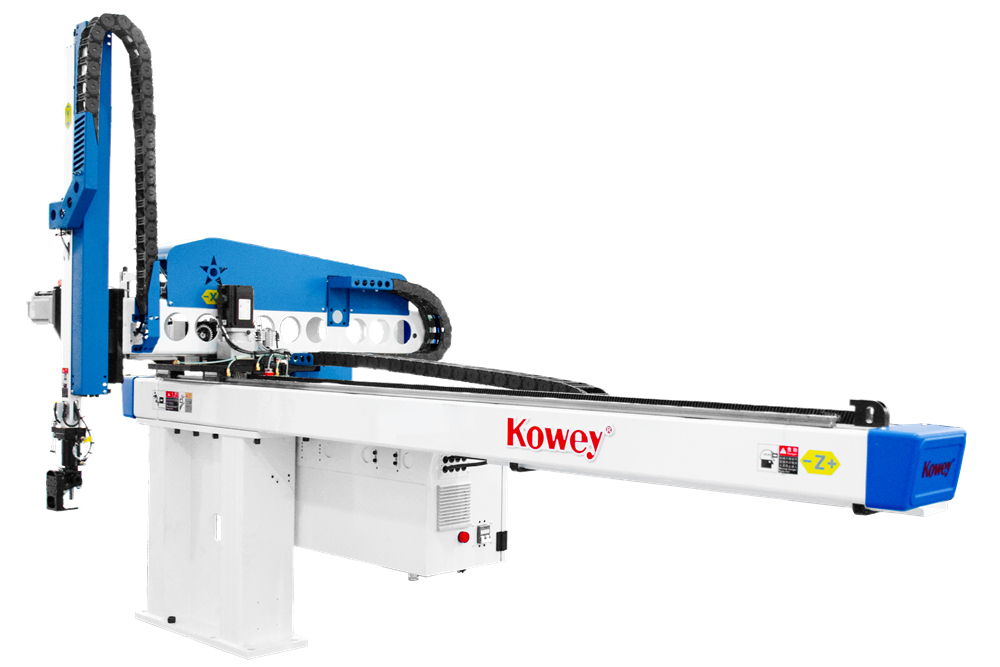
Because many Mexican packaging facilities produce high-mix, medium-to-high volume batches for both domestic brands (such as Bimbo, Sigma Alimentos, and Lala) and exports to North and South America, robotics flexibility is non-negotiable. Modern IML automation requires full-servo axis motion control on every stage. High-speed double-stage and bull-head style Cartesian robots provide the dynamic acceleration (>65 m/s²) needed to match the extreme cycle times of hydraulic and all-electric toggle injection molding machines ranging from 150 to 1,200 tons.
High-Performance Industrial Robots, Pickers, and IML Support Automation