
Leave Your Message
-
Contact Phone
-
 Contact Email
Engineered for minimal dry-cycle times, mold preservation, and micron-level repeatability across varied tonnage requirements.
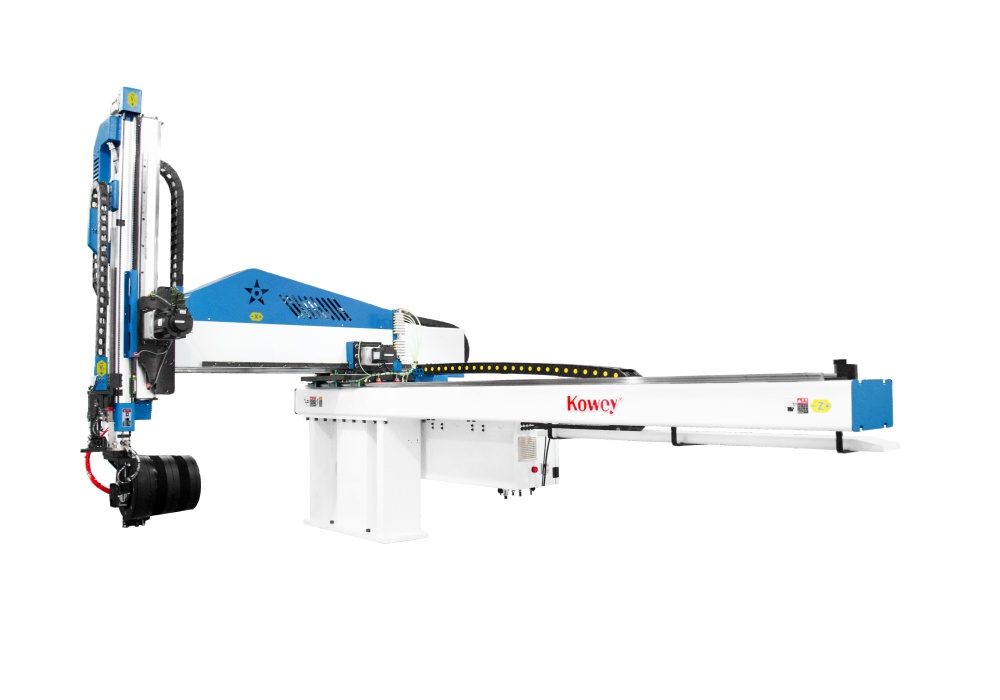
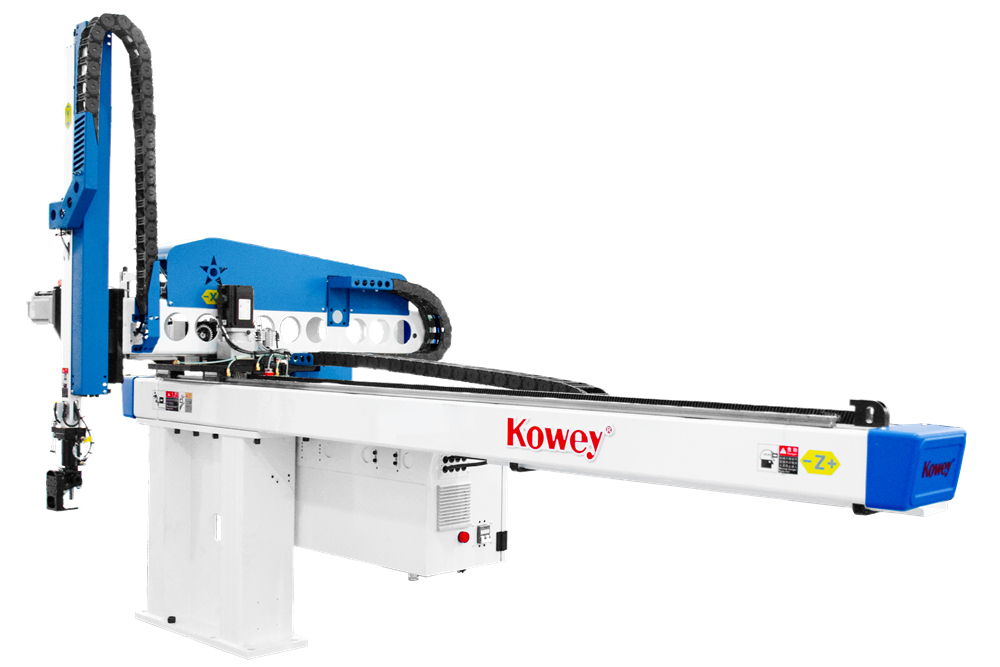
The contemporary plastics manufacturing landscape has arrived at a critical turning point where operational efficiency, scrap-rate minimization, and round-the-clock throughput are tightly coupled to robotics. Injection molding robot automation for automated parts removal represents the operational core of high-volume, precision molding cells. Historically, part extraction relied heavily on mechanical drop-ejection or manual demolding by operators—methodologies marked by fluctuating cycle times, structural warpage, cosmetic blemishes, and serious operator hazard exposures. Today, full-servo Cartesian, top-entry, and multi-axis articulated systems eliminate human variability, ensuring that molds open, parts are seized under precisely calibrated vacuum or mechanical grippers, and tools close with split-second consistency.
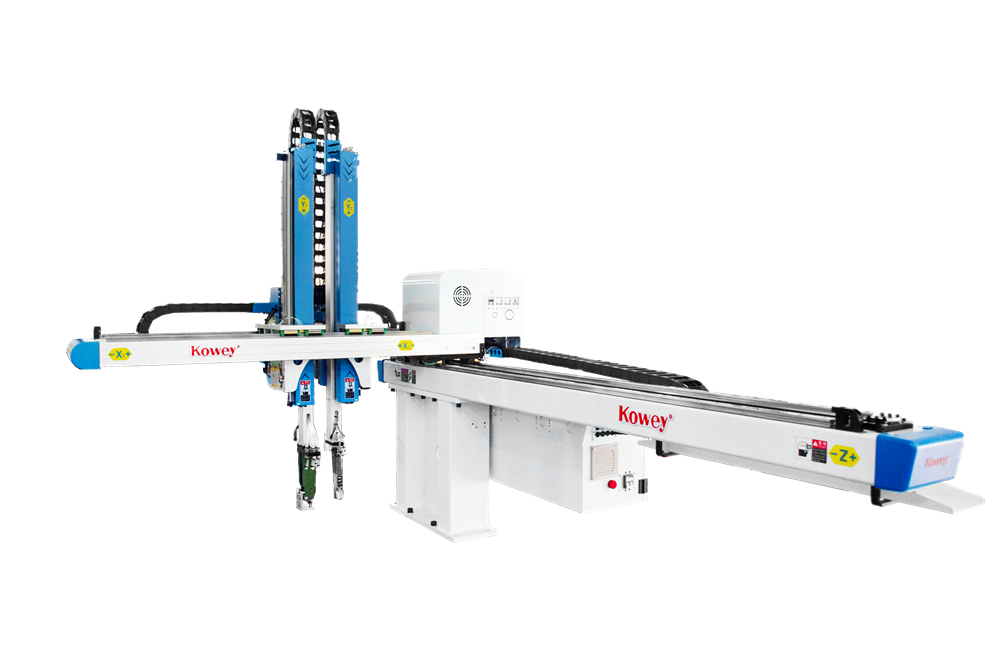
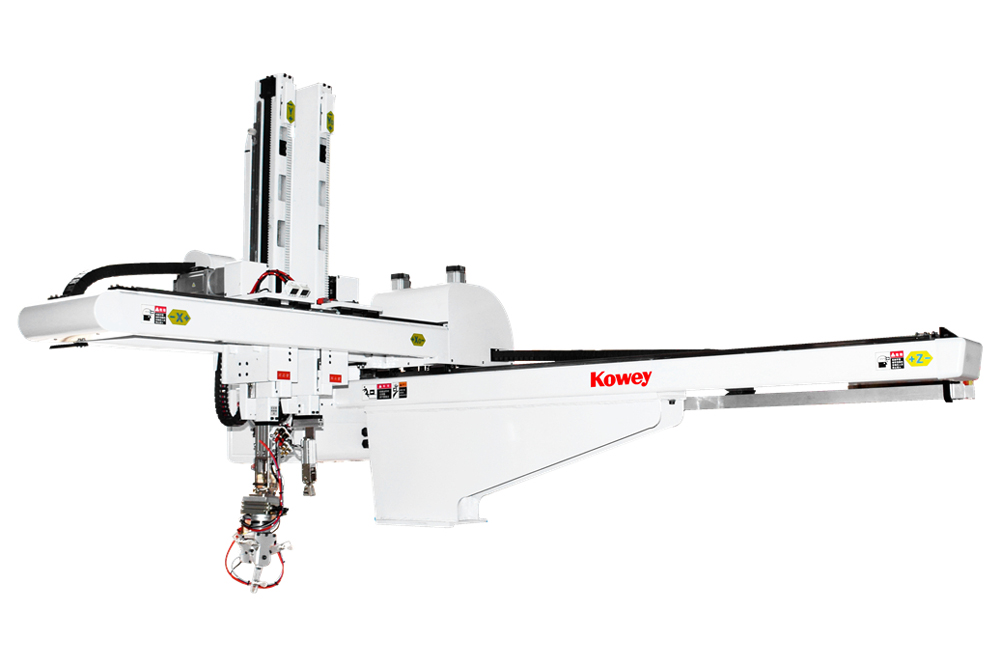
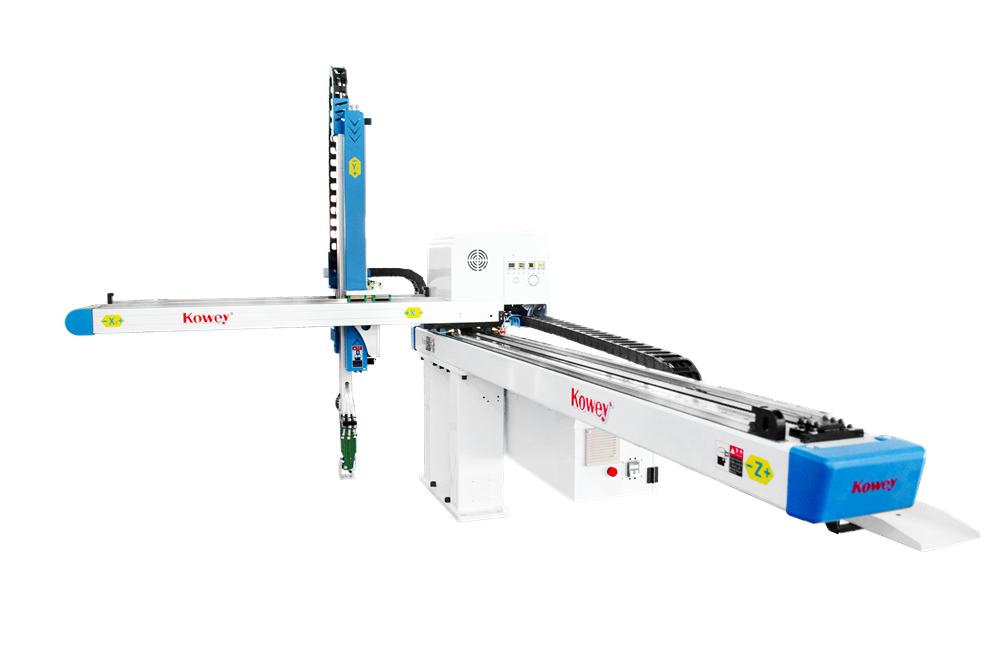
Achieving stable automated part take-out demands rigid structural mechanics paired with agile motion profiles. High-speed Cartesian top-entry robots employ lightweight, high-tensile extruded aluminum or carbon-composite double-stage arms driven by digital AC servo motors through low-backlash planetary gearboxes and precision ground linear guide rails. Multi-axis servo synchronization allows trajectories to mirror the exact mold geometry. While the main kick arm clears the tie bars, the vertical telescope enters the parting line, simultaneously maintaining torque control to strip deep-draw components without shearing ejector pins or scratching micro-textured mold cavities.
Moreover, the integration of Euromap 67 and modern Euromap 73/SPI electrical interfaces guarantees absolute handshaking safety between the injection molding machine (IMM) and the robot. The robot confirms safe clamp-open positions before entry and holds clamp-close signals until the End-of-Arm Tooling (EOAT) clears the mold perimeter, permanently preventing catastrophic die collisions.
Automated parts removal is only as effective as the tooling interface contacting the molded substrate. Custom-engineered EOAT arrays integrate pneumatic suction cups, venturi vacuum generators, soft-touch silicone grippers, and pneumatic sprue cutters. In optical and medical molding applications where surfaces cannot withstand mechanical contact, non-marking suction materials and cleanroom-certified ionic de-dusting nozzles prevent electrostatic dust accumulation during part retrieval. Modern EOAT designs also feature integrated optical sensors, load cells, and machine-vision cameras that instantly verify complete part ejection, runner presence, and gate balance before the IMM clamp cycles again.
Automated parts removal is never an isolated step; it forms the cornerstone of lights-out automated manufacturing cells across demanding industries:
Large automotive moldings—ranging from Class-A exterior bumper fascias, door cards, and pillar trims to intricate under-the-hood engine shrouds—require substantial payload capabilities and long traverse strokes. Bull-head style and heavy-duty 5-axis full servo robots navigate wide tie-bar spacings on 1000 to 3500-ton injection machines. In automotive cells, take-out robots actively transport parts directly into downstream secondary stations: degating sprues with laser or sonic trimmers, cooling on dimensional stabilization fixtures, applying bar-code serialization labels, and feeding flame-treating stations prior to painting.
Medical injection molding—producing pipette tips, blood collection vials, syringe barrels, and microfluidic cassettes—requires particulate-free demolding inside ISO Class 7 or 8 cleanroom enclosures. Servo take-out robots eliminate human contamination vectors while managing massive cavitation molds (32 to 128 cavities). Robotic vacuum confirmation checks each cavity individually. If a single pipette tip fails to draw vacuum on the gripper, the robot segregates the entire shot or marks the downstream tray packaging sequence, ensuring pristine medical quality control.
In high-speed consumer packaging (butter tubs, beverage cups, paint buckets), injection cycle times are often compressed under 4 seconds. Dedicated side-entry or rapid top-entry IML robots merge two crucial operations: they electrostatically charge and insert pre-printed polypropylene labels into cavity walls, and simultaneously take out molded tubs with ultra-fast sub-second in-mold dry cycles. The synchronized speed prevents excessive heat loss across open mold surfaces, maintaining thermal mold equilibrium and boosting overall energy efficiency.
The ongoing migration toward Industry 4.0 is transforming automated parts removal robotics from simple actuators into intelligent cyber-physical systems. Modern servo drivers continuously report running torque, motor temperature curves, harmonic vibration signatures, and backlash wear. Edge computing algorithms evaluate mechanical deviations over hundreds of thousands of cycles, predicting timing belt elongation, bearing wear, or pneumatic vacuum loss before an unscheduled breakdown occurs. Connected via OPC UA and MQTT protocols, injection molding automation cells synchronize seamlessly with enterprise MES platforms for real-time traceability and predictive maintenance management.
Comprehensive standard and specialized robotic platforms tailored for versatile injection molding machine integration.
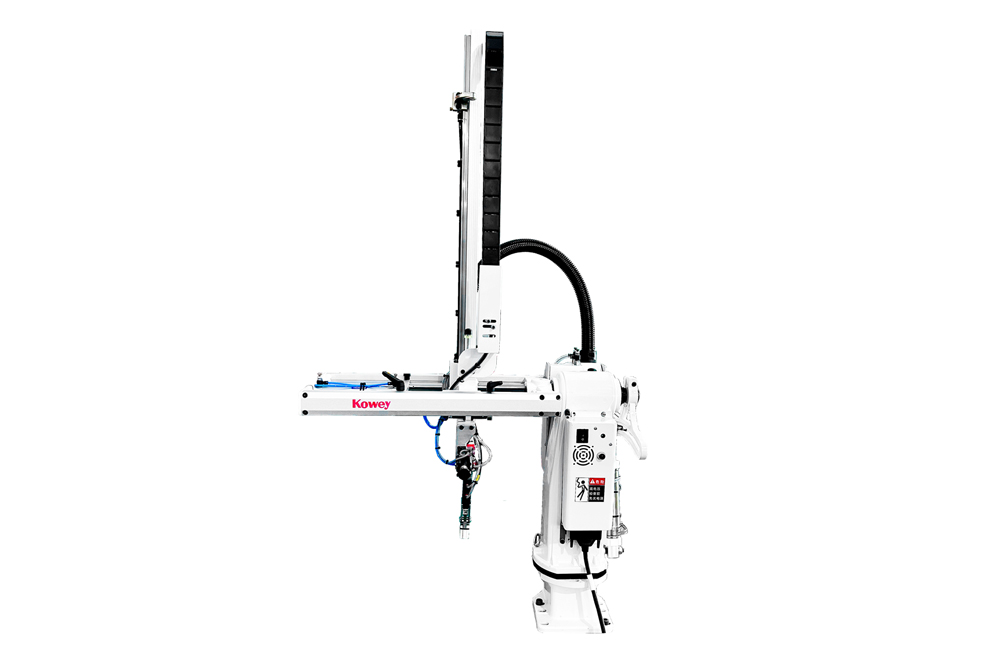
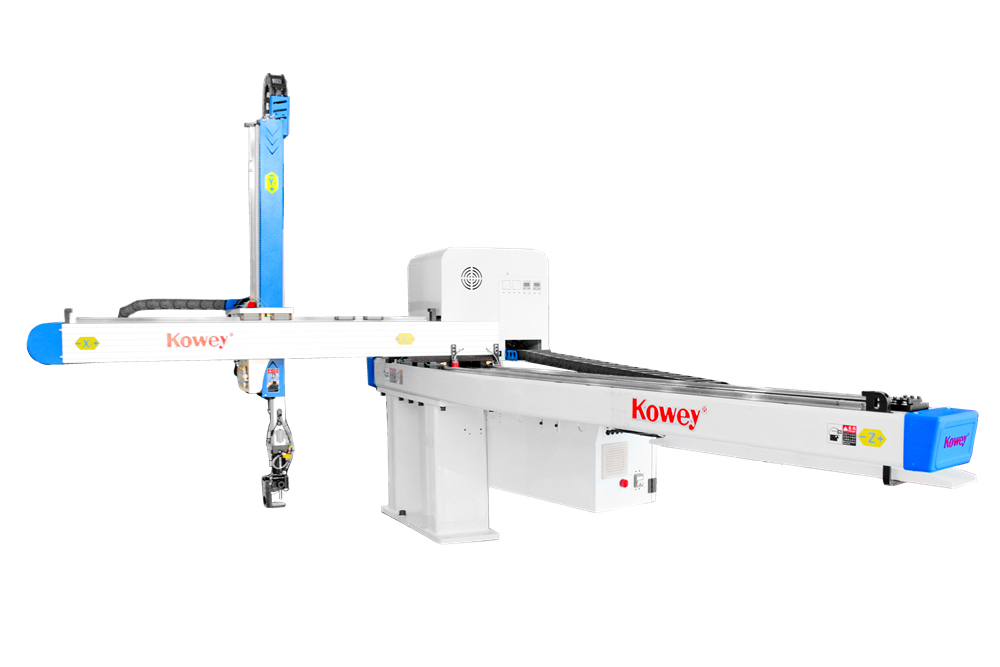
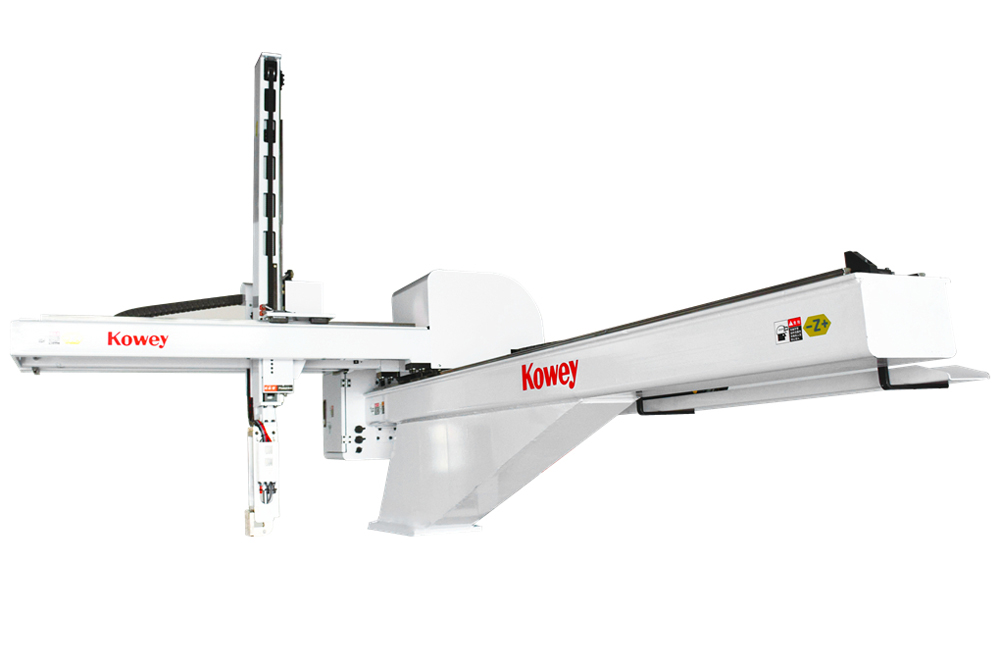
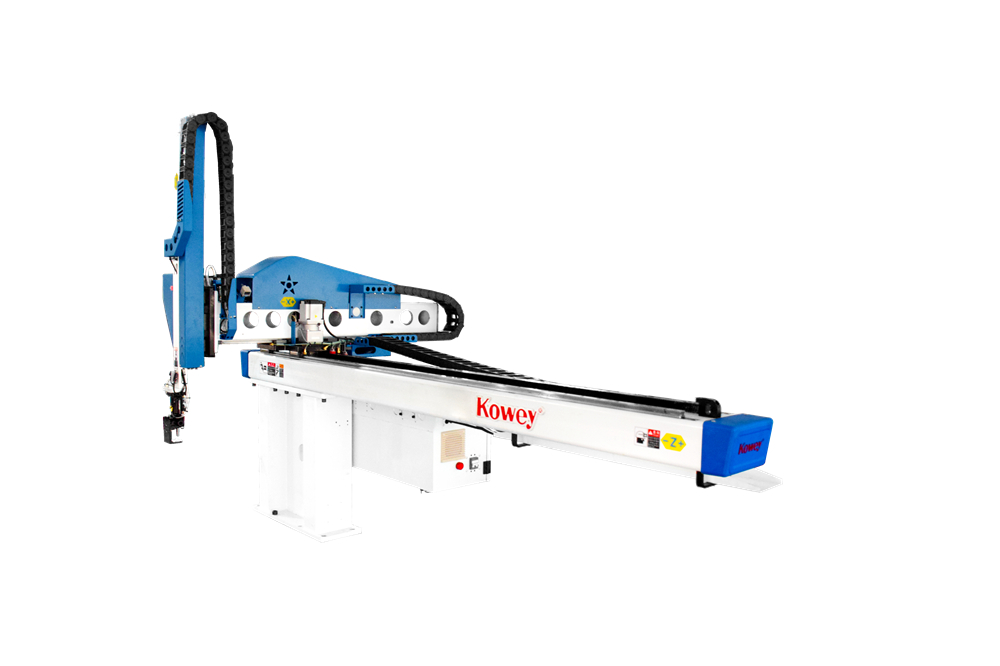
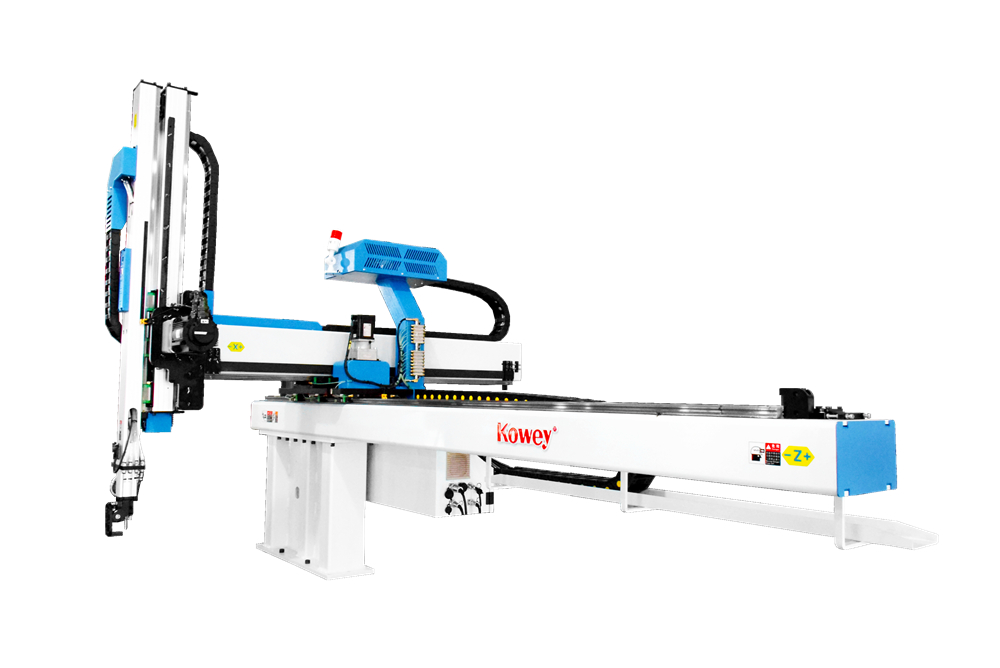
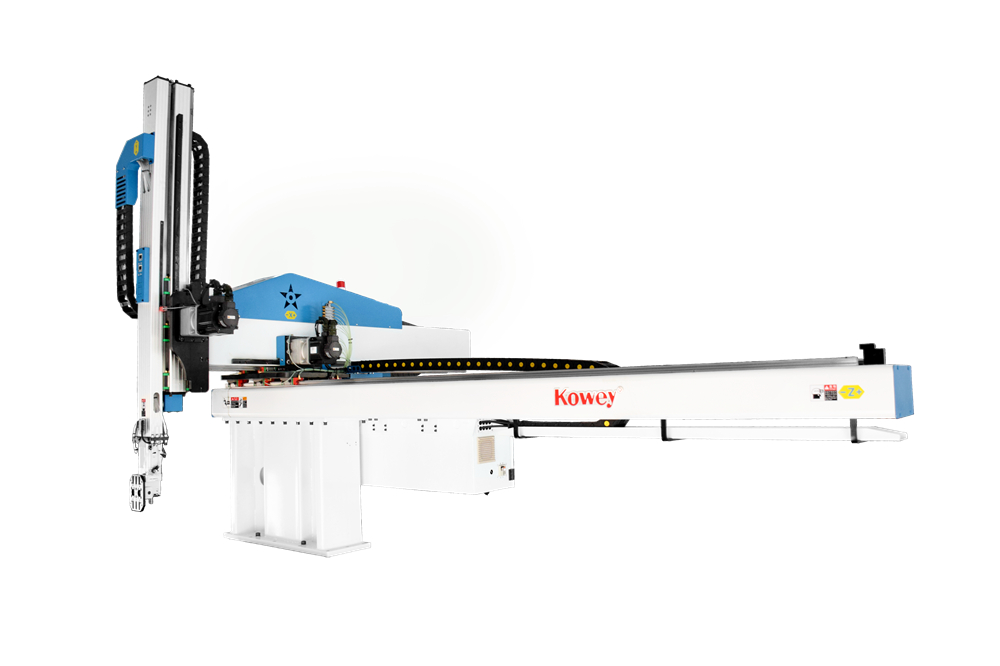
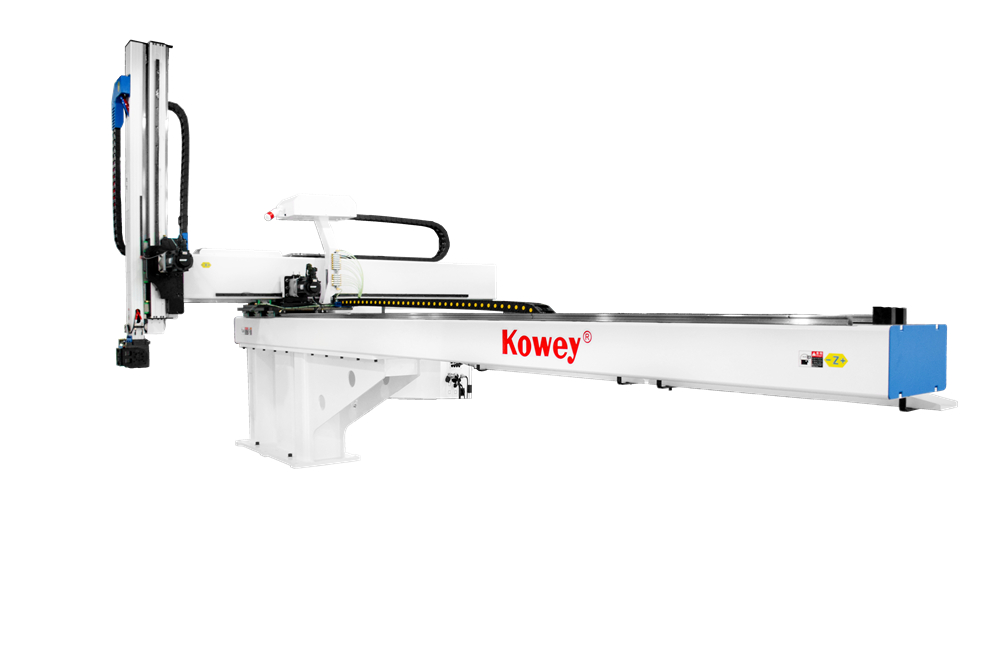
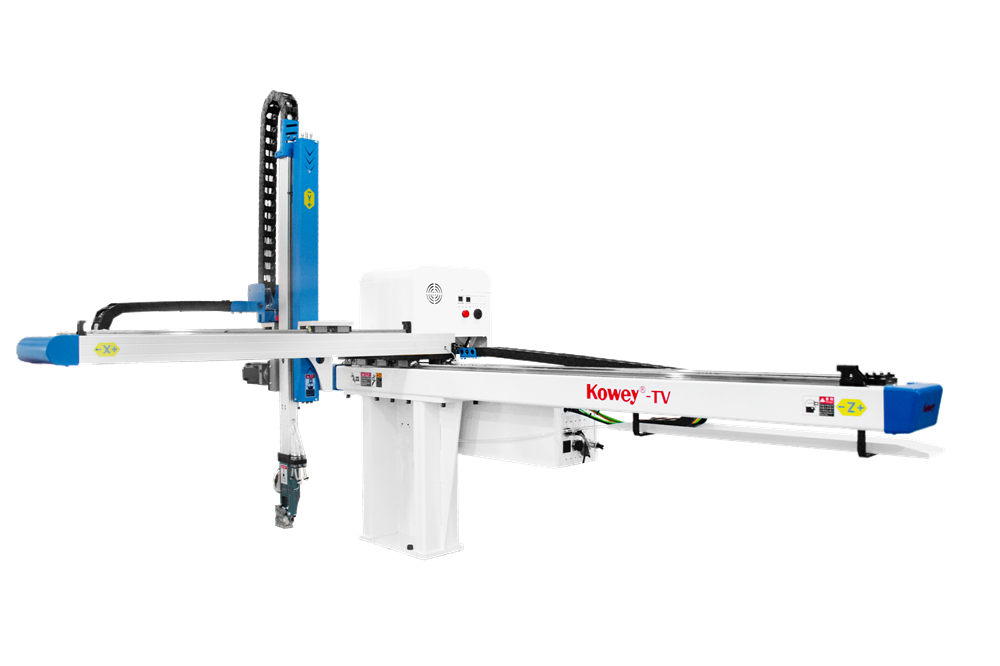
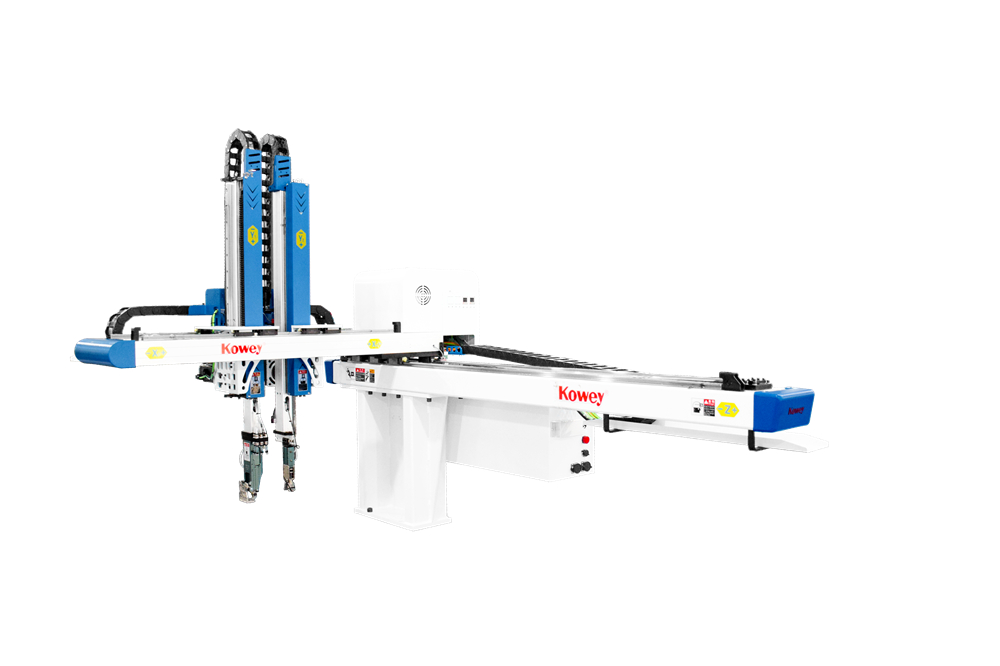
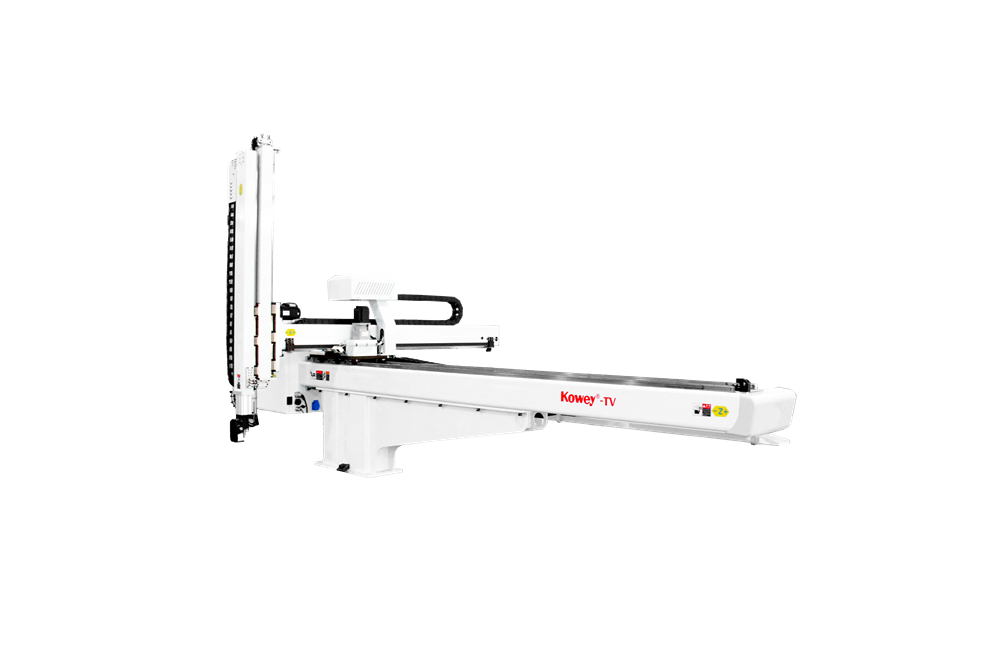
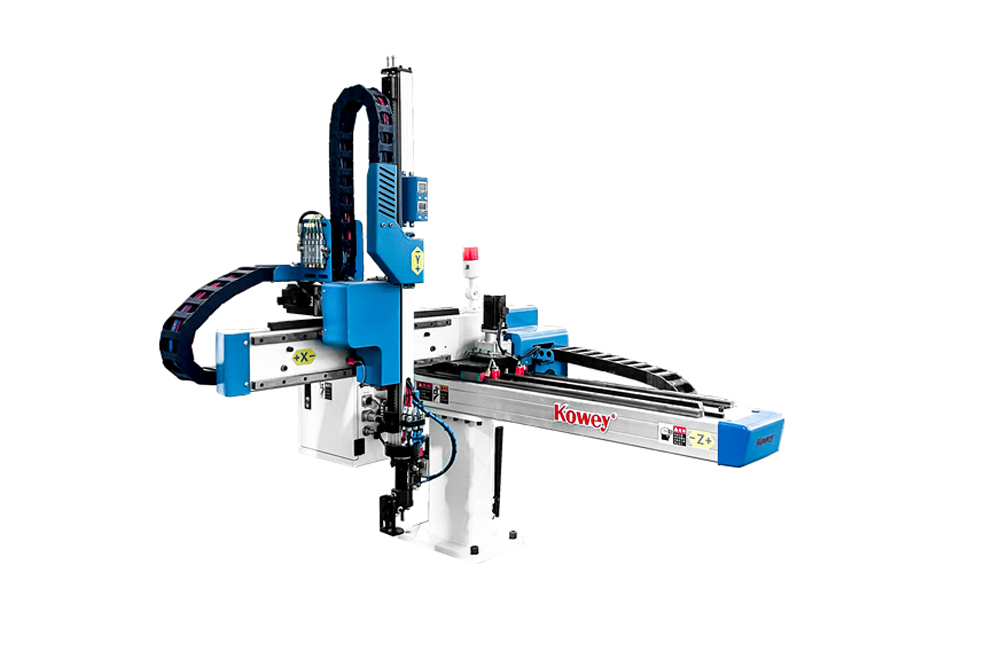
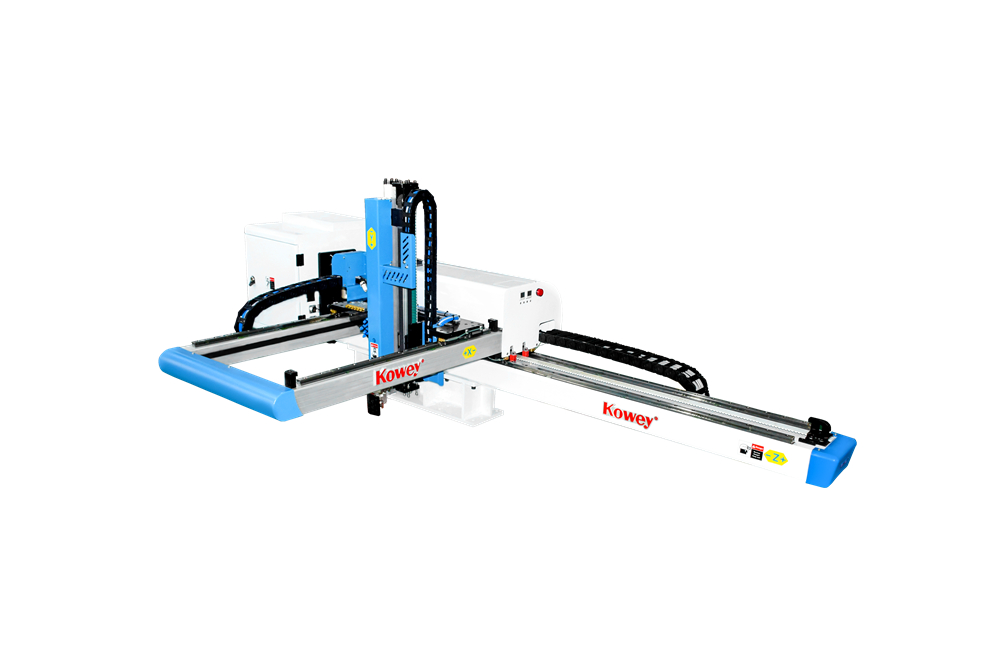
From entry-level pick-and-place sprues to multi-axis high-payload double arm automation systems.