
Leave Your Message
-
Contact Phone
-
 Contact Email
Engineered for Rapid Take-Out Cycles, Rigid Stability, and Complex Geometric Extraction
Navigating High-Tonnage Clamping Pressures, Structural Rigidity, and Automated Workcell Integration
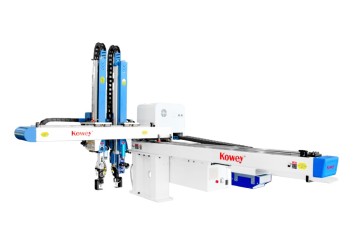
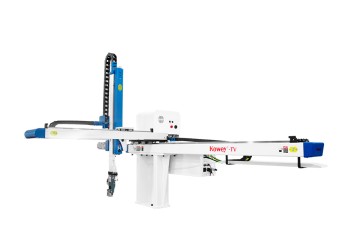
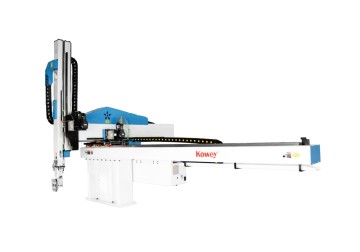
In modern industrial manufacturing—spanning automotive fascia molding, aerospace composite production, mega-tonnage domestic appliance housing, and structural polymer infrastructure—the demand for automated parts extraction has evolved past simple pneumatic swing-arm extractors. The deployment of a Large-Scale Robot For Automated Parts Removal has become an imperative requirement for operational safety, cycle-time consistency, and zero-defect output across injection molding machines (IMM) ranging from 800 to beyond 4,000 metric tons of clamping force.
Large structural moldings present extreme operational variables: significant thermal contraction within deep mold cavities, complex undercut geometries, vulnerable Class-A aesthetic surfaces, and substantial part weights combined with extensive runner layouts. Traditional manual extraction introduces fatal cycle delays, mold surface hazards, unpredictable cooling curves, and severe operator risk under towering press platens. High-payload, multi-axis cartesian and articulated robotic demolding systems resolve these vulnerabilities through synchronized, sub-millimeter trajectory repeatability, high-torque servomotor acceleration, and robust load-bearing beam profiles.
Engineered with finite-element-optimized steel-aluminum hybrid chassis and high-tensile dual-stage vertical beams to eliminate harmonic oscillation under high dynamic acceleration and loads exceeding 100 kg.
Full AC servo closed-loop multi-axis coordination delivers dry cycle take-out times under 1.5 seconds, directly shortening IMM mold-open intervals and maximizing annual operational efficiency.
Custom End-of-Arm Tooling (EOAT) equipped with integrated multi-circuit vacuum detection, pneumatic chuck verification, laser contour validation, and degating shear units for comprehensive part handling.
The contemporary paradigm in heavy-duty demolding robotics is defined by the transition toward absolute closed-loop kinematic control, energy-regenerative drive modules, and predictive maintenance algorithms. Unlike compact units operating in localized envelopes, large-scale gantries must manage massive moments of inertia along the transverse axis (often extending across spans exceeding 4,000 mm). High-resolution absolute optical encoders eliminate the need for mechanical home referencing upon power restoration, ensuring instantaneous process resumption without platen-collision risks.
Furthermore, digital bus architectures including EtherCAT, PROFINET, and Euromap 67/73 protocols integrate the robot directly into the machine controller. This telemetry handshake guarantees that ejector pin advancement, core-pull sequencing, pneumatic valve gate triggering, and robotic arm insertion are synchronized with microsecond precision, preventing costly mold crush events.
Automated parts removal at massive scales caters to demanding application environments where part integrity and downstream synchronization are critical to profitability:
Front and rear bumper fascias, door trim panels, instrumental dashboards, and battery enclosure trays require balanced vacuum extraction without leaving pin marks or structural deflection. Secondary operations handled directly by the EOAT include ultrasonic degating, sprue clipping, and immediate transfer onto automated visual inspection jigs.
High-density polyethylene (HDPE) structural pallets, agricultural logistics crates, and environmental waste containers feature deep draws and heavy weight profiles. Robust large-scale robots utilize heavy-duty mechanical clamping jaws and multi-stage vacuum manifolds to overcome aggressive cavity retention forces.
From large 75-inch-plus television back bezels to washing machine drums and refrigerator interior liners, surface finish is paramount. Robots execute precise perpendicular extraction paths to prevent abrasion against cavity walls, transferring parts straight to downstream inline packaging cells.
In high-volume specialized packaging, large-scale robots function reciprocally: electrostatic or vacuum placement of expansive barrier labels into the mold cavities on entry, followed immediately by multi-cavity container extraction on the return stroke, consolidating processes into a single unified cycle.
The next frontier for the Large-Scale Robot For Automated Parts Removal lies in edge AI computing and adaptive machine vision. Integrated 3D vision cameras mounted onto gantry structures allow dynamic tracking of thermal warpage in real time. If a polymer component cools unevenly and deviates from expected geometric boundaries, the robot's adaptive motion planner dynamically recalculates the approach vectors and grip point trajectory without human intervention.
Simultaneously, condition-based vibration monitoring monitors ball-screw bearings, rack-and-pinion interfaces, and planetary gearheads. By predicting mechanical play before trajectory backlash impacts demolding accuracy, manufacturers can schedule preventive maintenance during planned mold changeovers, avoiding catastrophic unplanned line stops.
Comprehensive Robotic Automation Systems for Every Clamping Tonnage and Application
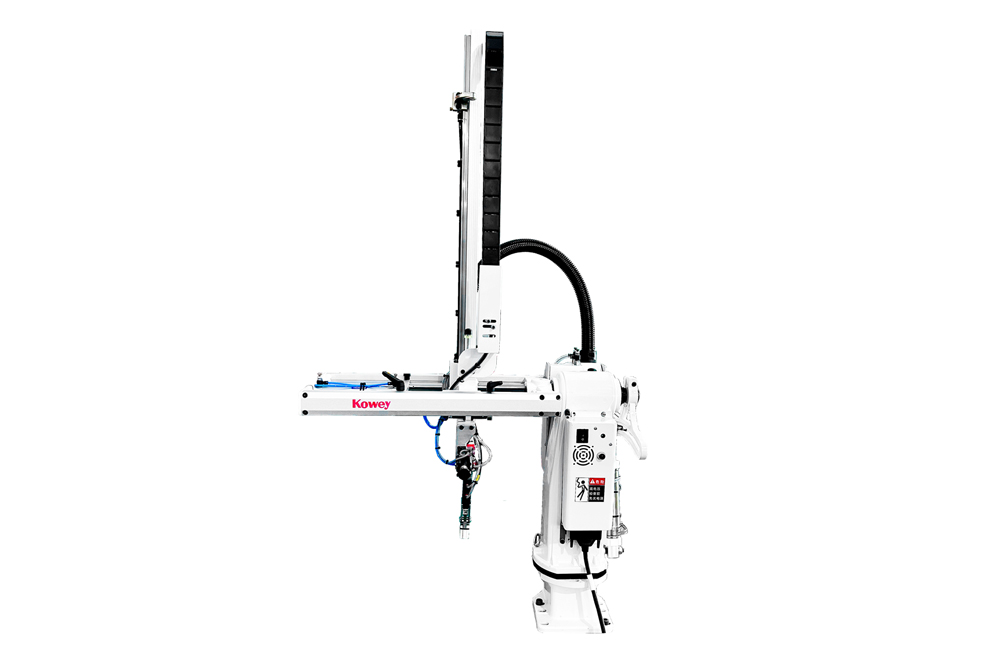
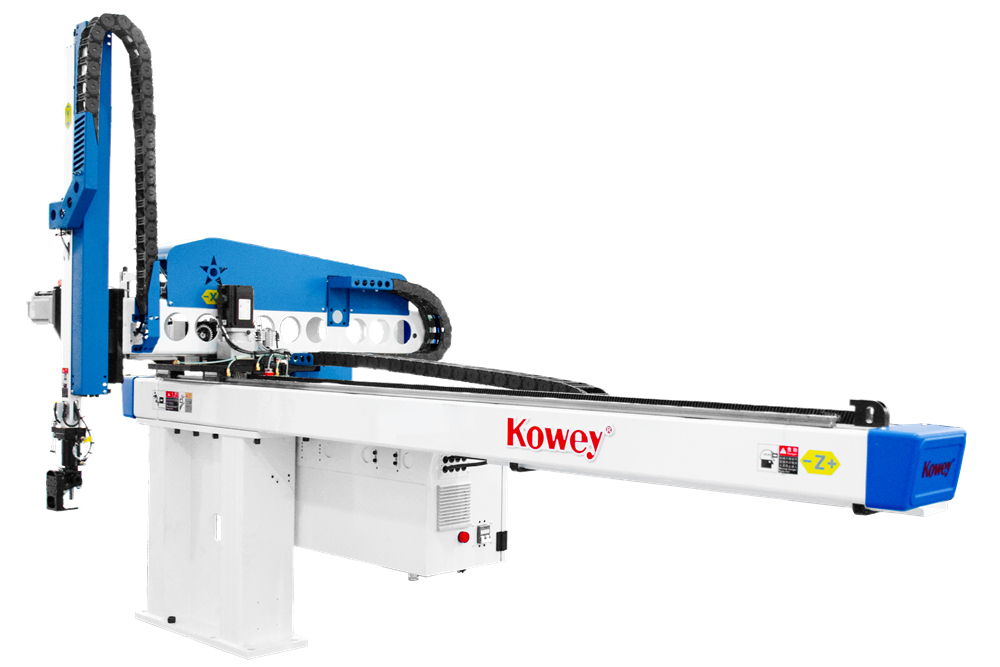
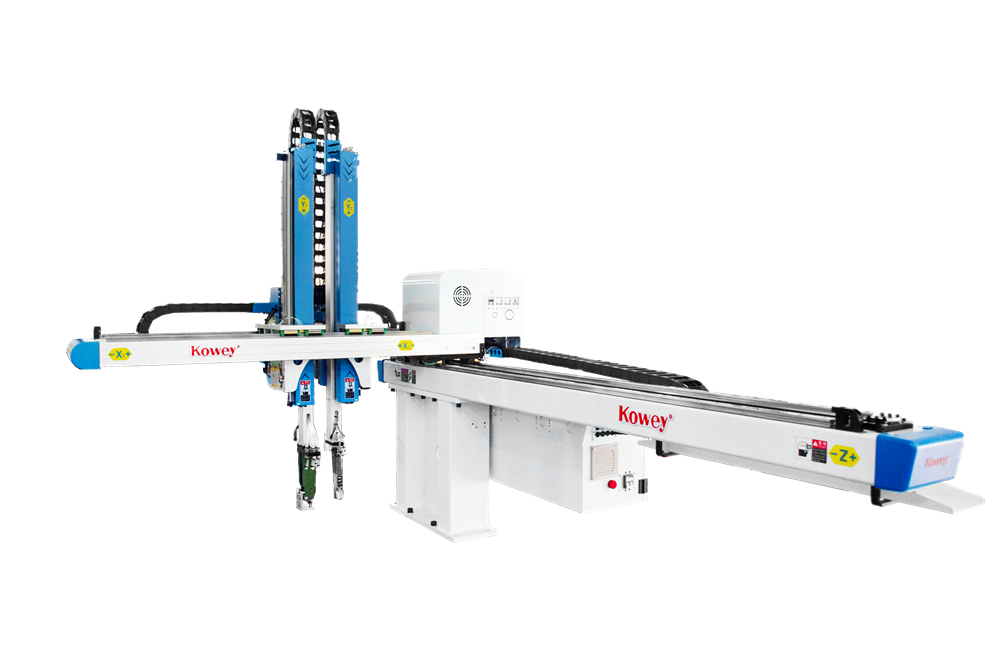
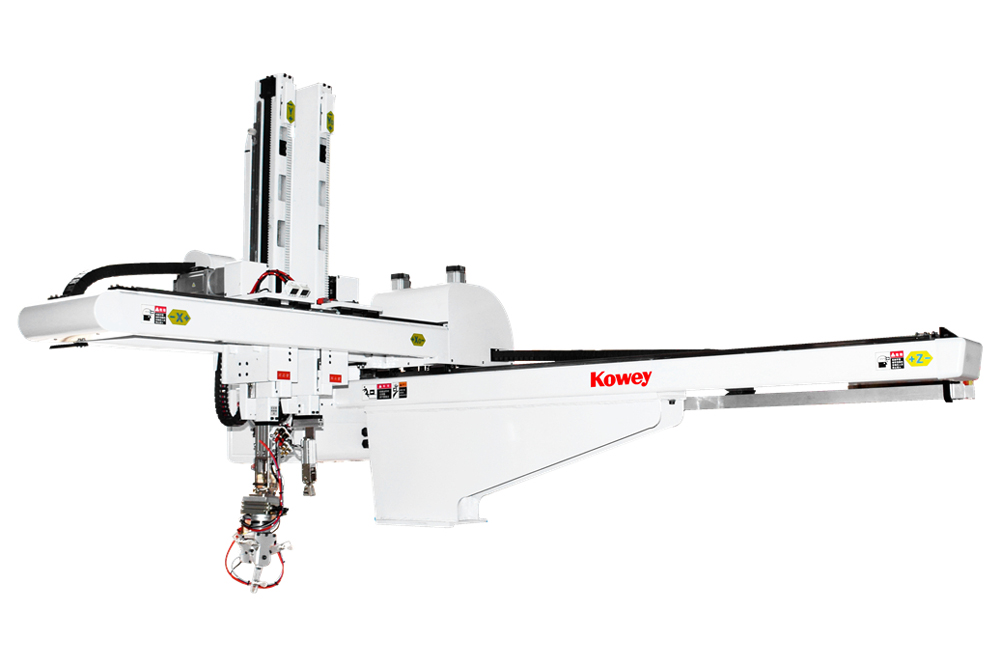
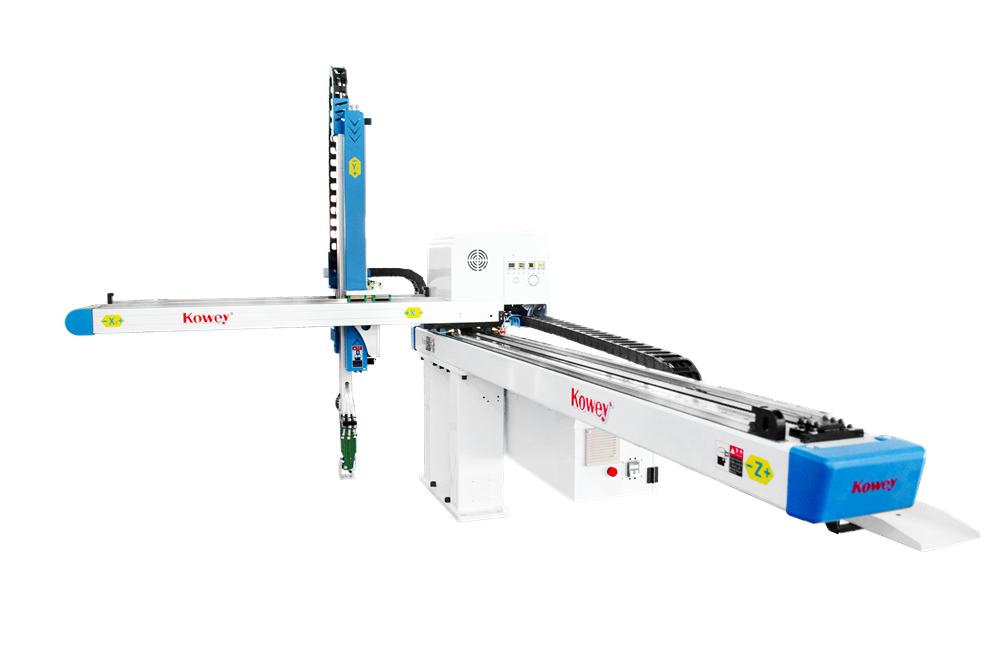
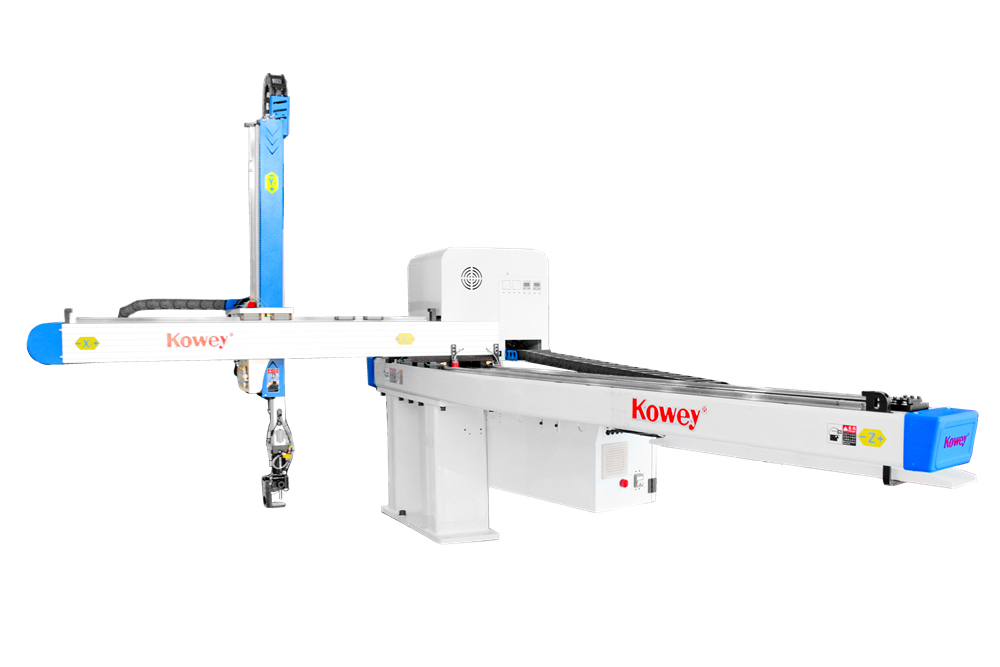
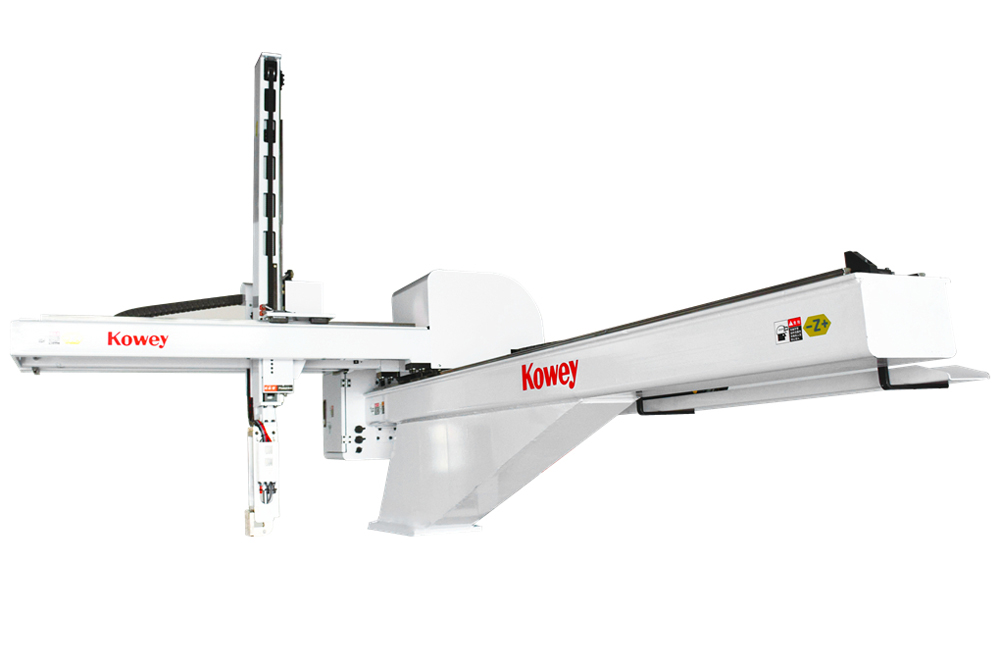
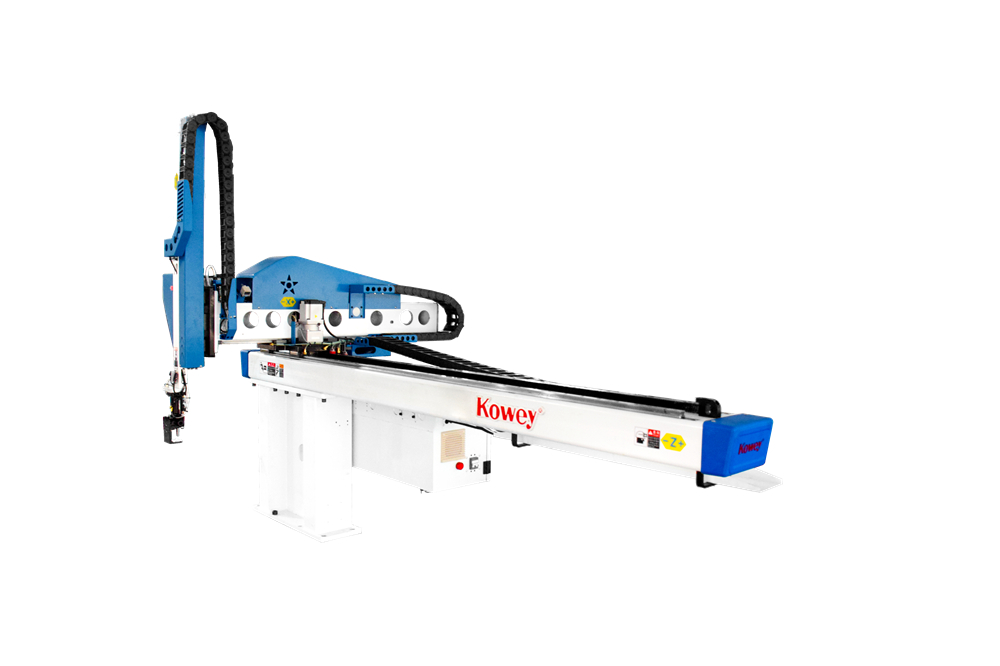
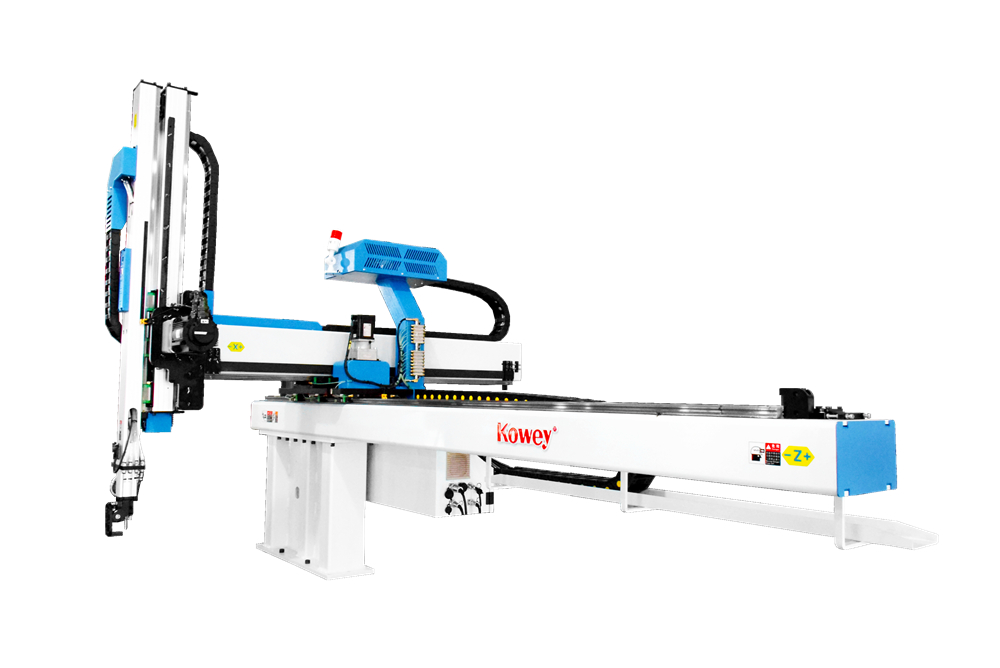
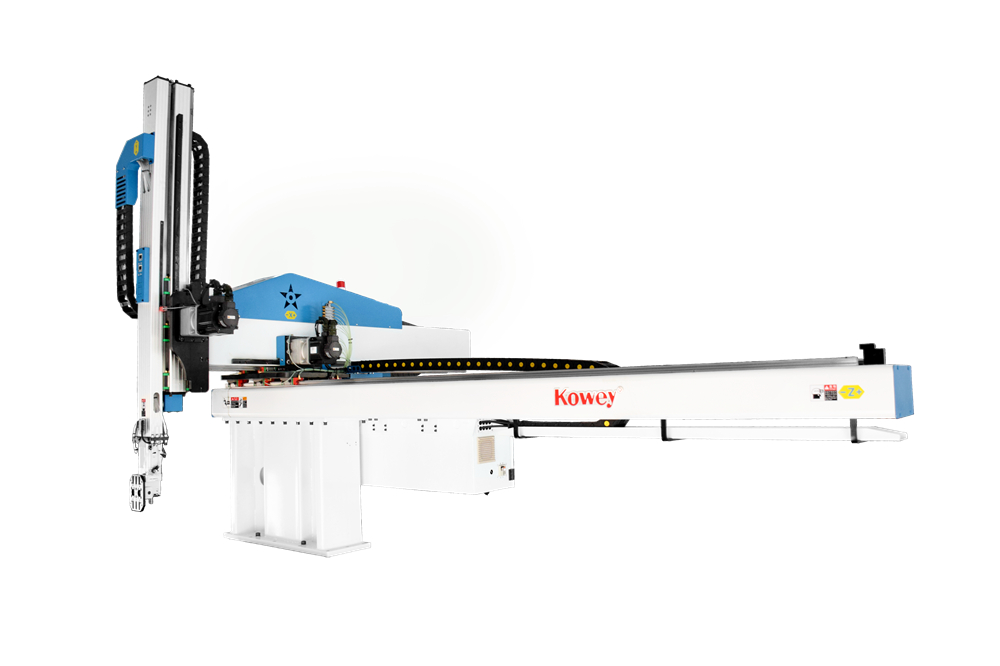
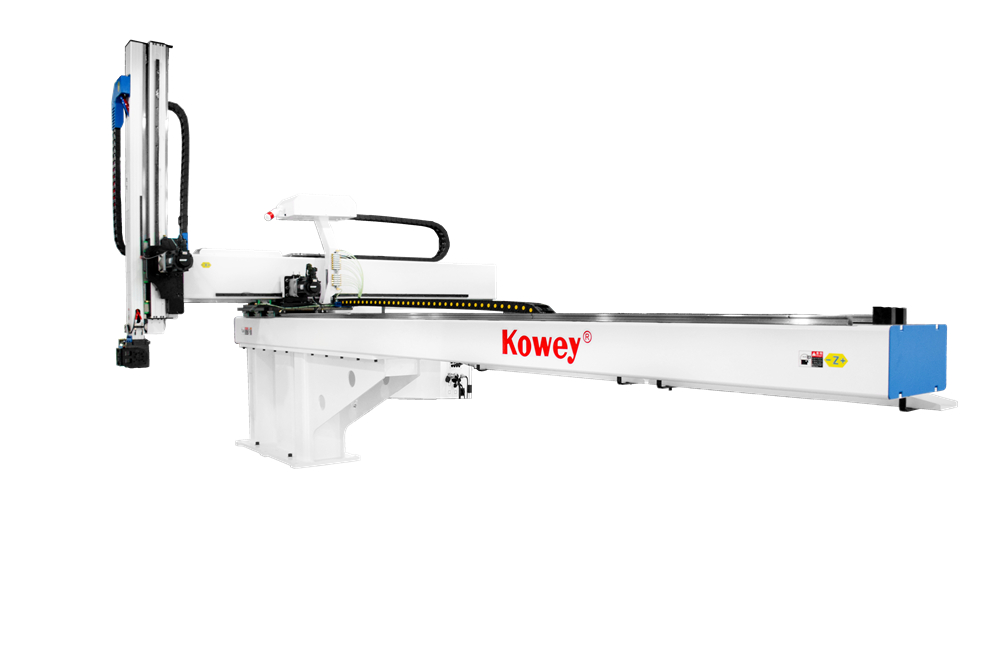
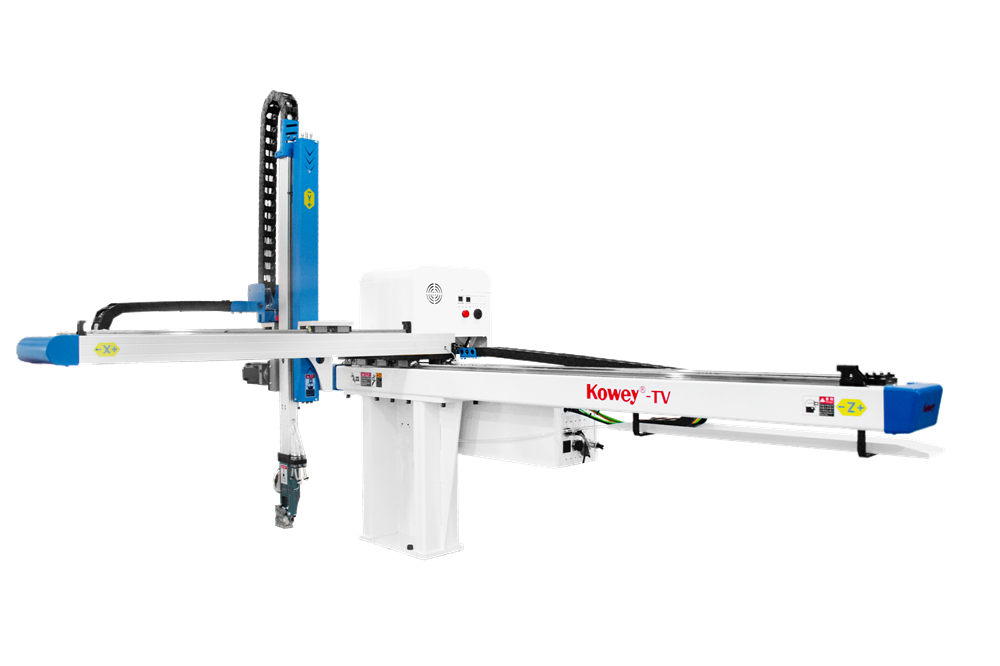
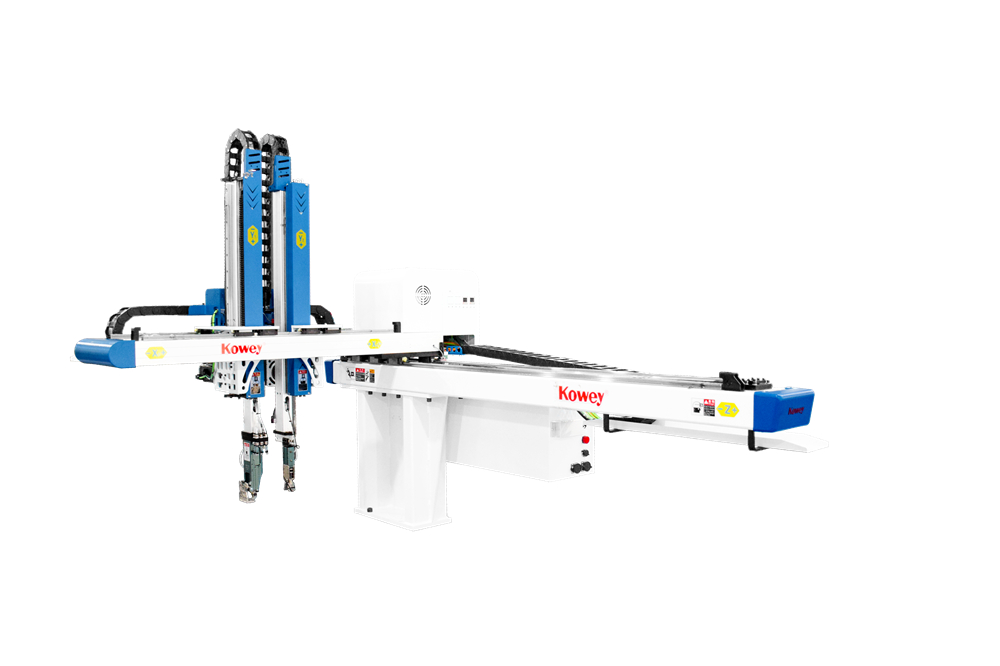
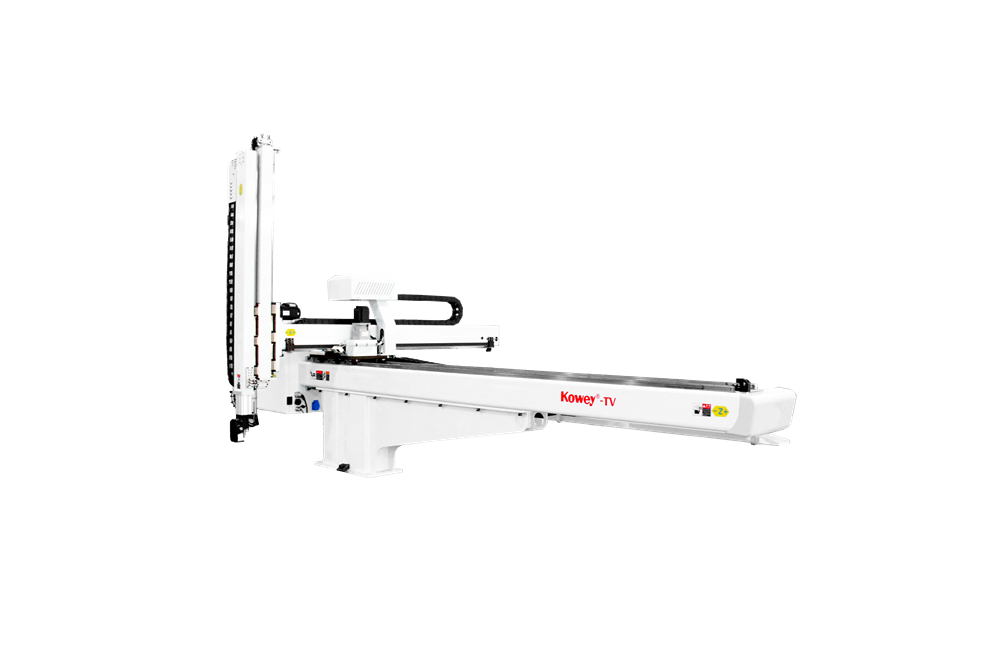
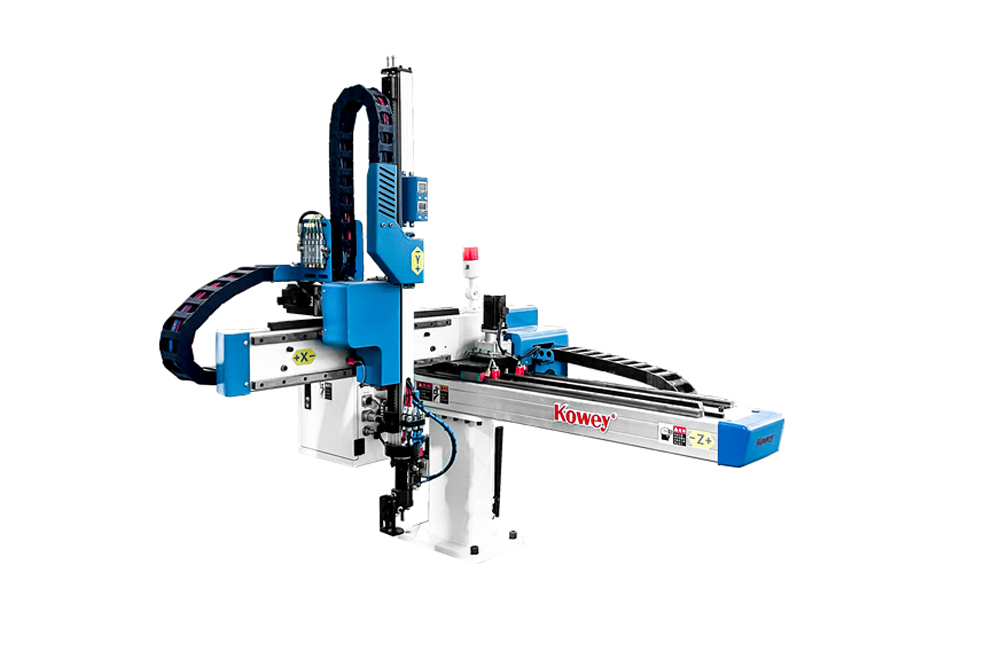
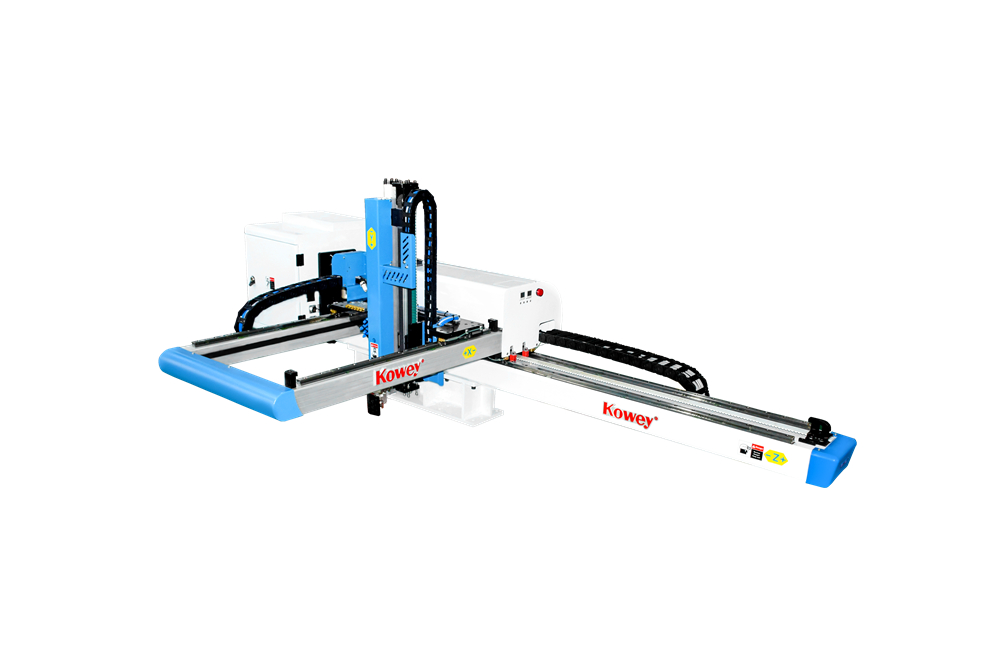
Full Series of Industrial Robotic Solutions for Automated Parts Removal and Packaging