
Leave Your Message
-
Contact Phone
-
 Contact Email
Explore our high-performance robotic solutions designed specifically for rapid mold extraction, high-speed take-out, and continuous cycle optimization.
In modern polymer processing and plastic injection molding facilities, manufacturing excellence is measured by mold cycle efficiency, part repeatability, and minimal downtime. Implementing a high-speed, synchronized molding robot for automated parts removal has transformed from an operational luxury into an essential industrial necessity. Manual part extraction and gravity-drop demolding methods introduce critical process instabilities, including part deformities, scratch risks, thermal fluctuations in tooling, and unpredictable cycle variations. High-precision Cartesian (linear) and articulated robotic take-out systems address these limitations by standardizing mold-open time to millisecond precision.
The contemporary landscape of automated parts demolding relies on multi-axis, full-servo drivetrains capable of high acceleration trajectories, dynamic payload stabilization, and seamless integration with the injection molding machine (IMM) control loop via standardized industrial communication protocols such as EUROMAP 67 and EUROMAP 73.
High-dynamic AC servo systems compress mold-open duration to under 0.8 seconds, significantly preventing thermal cavity loss and boosting overall throughput.
Torque feedback algorithms and pneumatic interlocks guarantee zero collision incidents between the mold halves, ejector pins, and End-of-Arm Tooling (EOAT).
Perform automated optical inspection (AOI), cavity-separated sorting, sprue separation, and multi-station orientation in a single integrated cycle.
The market for injection molding robotics is experiencing an unprecedented structural upgrade. Driven by stringent cleanroom mandates in medical life sciences, lightweight engineering tolerances in the automotive sector, and ultra-high-speed production cycles in rigid thin-wall packaging, conventional pneumatic sprue pickers are rapidly giving way to 3-axis and 5-axis full servo manipulators.
Furthermore, escalating labor costs and ergonomic safety regulations have prompted injection molders globally to adopt automated downstream cells. In these systems, a molding robot for automated parts removal does not merely extract the component; it acts as the primary orchestrator that delivers parts to laser degating, inline weighing, hot-stamping, and automated case packing units without human touch.
In high-cavity packaging lines (such as yogurt tubs, drinking cups, and food containers), cycle times are compressed down to 2.5 to 4.5 seconds. For these environments, top-entry and side-entry IML robotics must achieve high-speed mechanical indexing with acceleration profiles up to 10G. Electrostatic charging bars secure wrap-around labels within the female cavity while the robotic gripper simultaneously extracts finished containers using vacuum suction cups, guaranteeing 100% label position accuracy and defect-free demolding.
Automotive injection components—ranging from high-gloss optical instrument clusters to heavy structural bumper fascia—demand zero visual and functional flaws. Parts removal robots engineered with specialized dual-stage telescopic arms handle heavy payloads while accommodating low ceiling clearance within manufacturing plants. Non-marking silicone or polyetheretherketone (PEEK) vacuum pads extract class-A painted surfaces without scratching, while integrated multi-axis wrists orient parts onto conveyor belts or cooling nesting fixtures.
Medical manufacturing of pipettes, syringe barrels, and microfluidic cassettes necessitates completely enclosed cable carrier tracks, non-particulating lubricants, and cleanroom-certified linear motion guides. Automated parts removal systems in medical injection molding eliminate airborne biological contamination and maintain constant laminar airflow over the mold face, ensuring micro-tolerances and bio-compatibility compliances are rigorously upheld.
The convergence of edge AI and digital twin interfaces is setting new benchmarks for injection molding automation. State-of-the-art robotic controllers are now embedded with vibration analysis sensors and dynamic load algorithms. If mold pin ejection exhibits mechanical resistance or an uneven cooling curve, the robotic manipulator detects torque deviations instantly, halting the sequence before mold closure to avoid multimillion-dollar tooling damage.
Simultaneously, machine vision cameras mounted directly on the robotic wrist permit immediate flash detection, short-shot validation, and cavity-specific sorting on the fly. This operational data is fed through Industrial Internet of Things (IIoT) architectures, providing plant engineers with comprehensive Overall Equipment Effectiveness (OEE) metrics and automated alerts for predictive maintenance before mechanical failures occur.
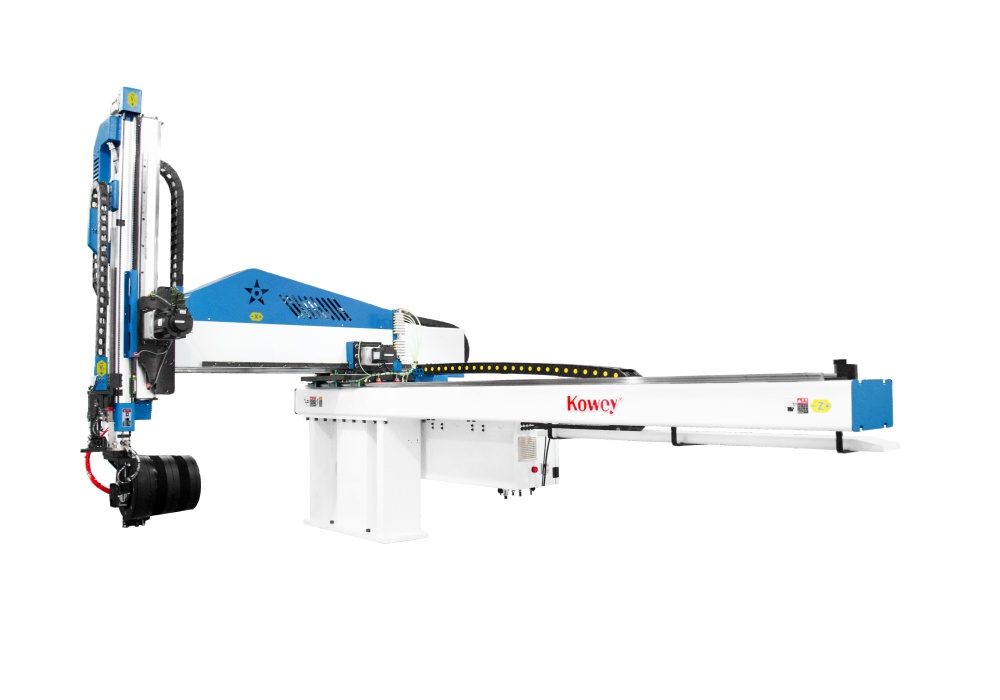
Complete Industrial Portfolio of Cartesian, Telescopic, and Specialized Robotic Solutions for Smart Molding Production Cells
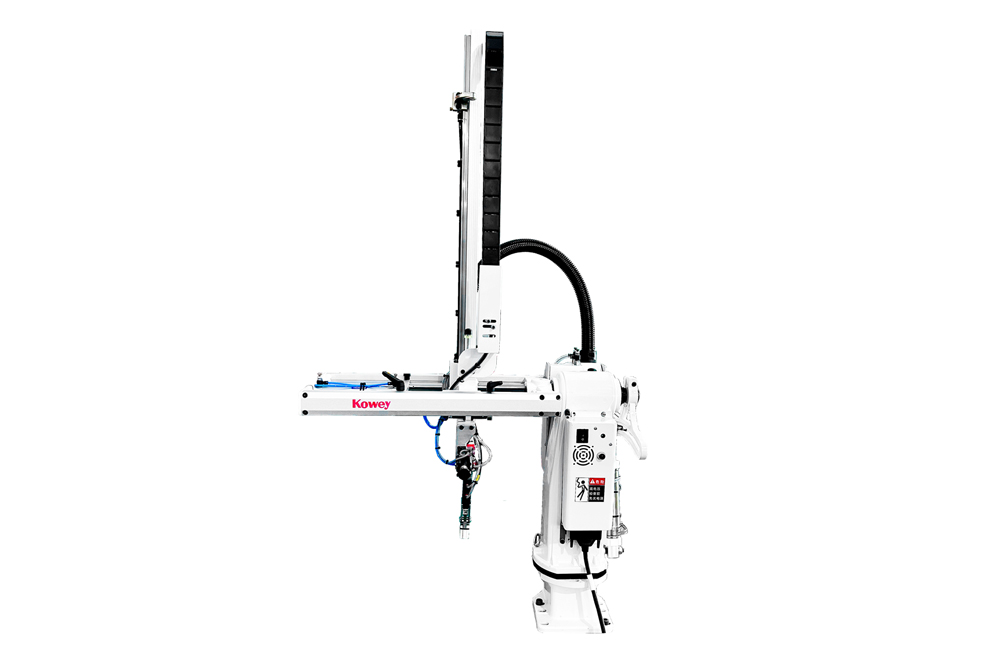
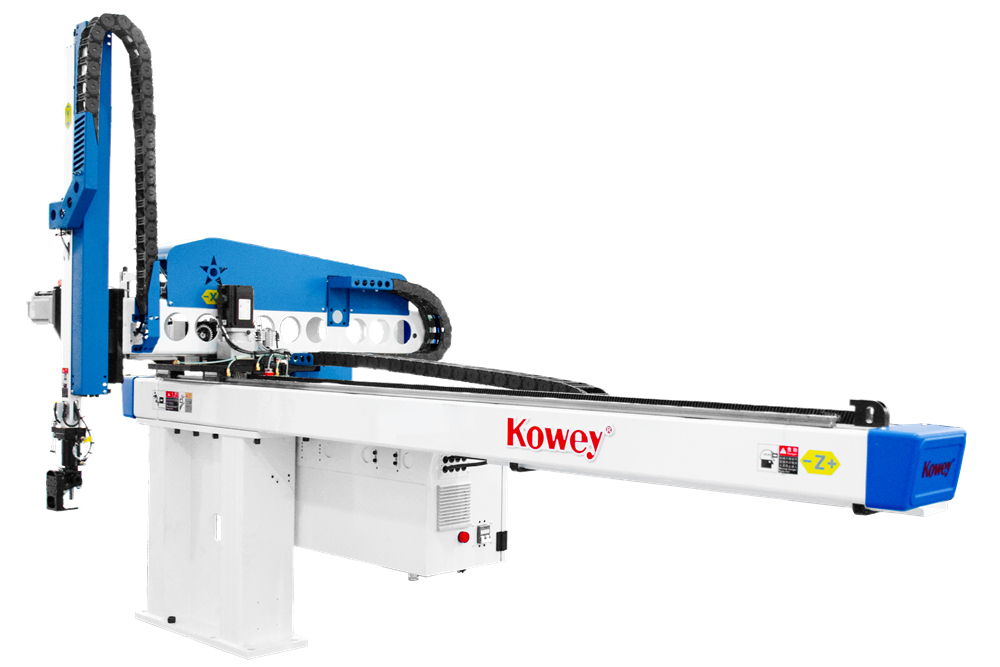
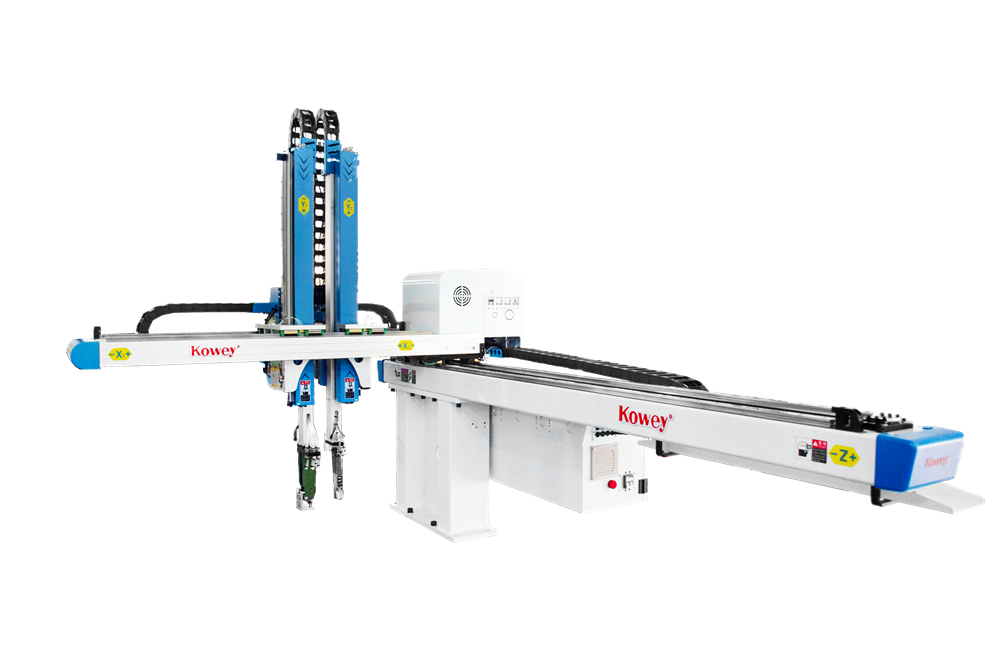
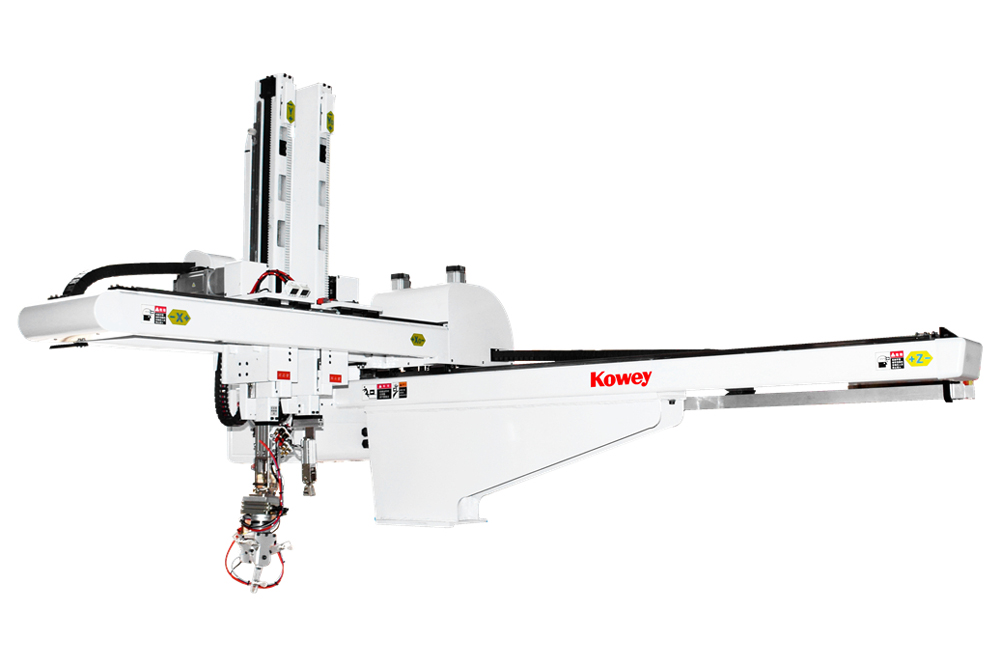
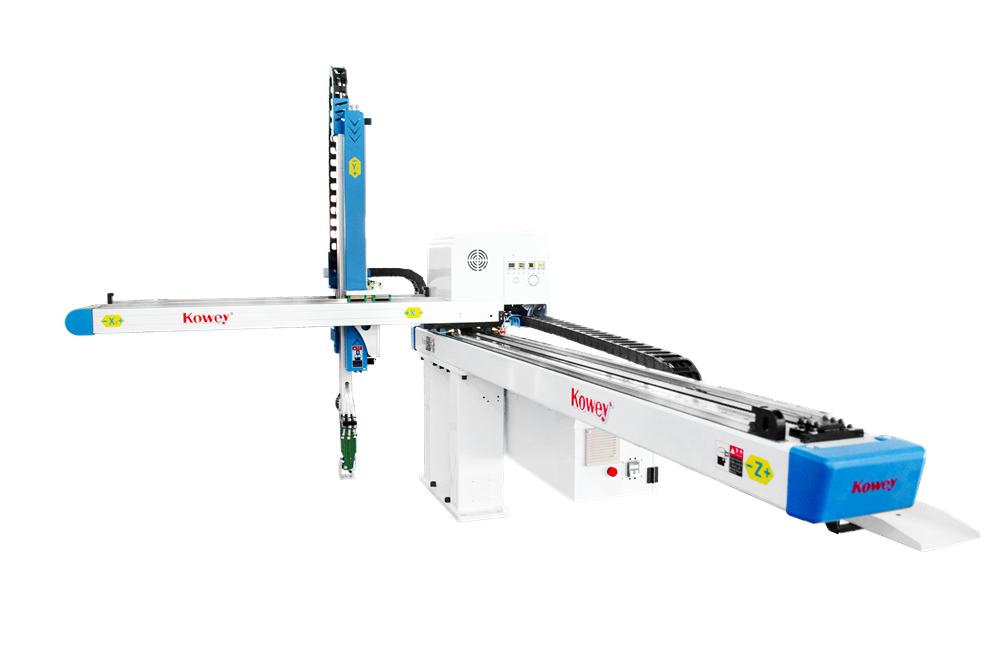
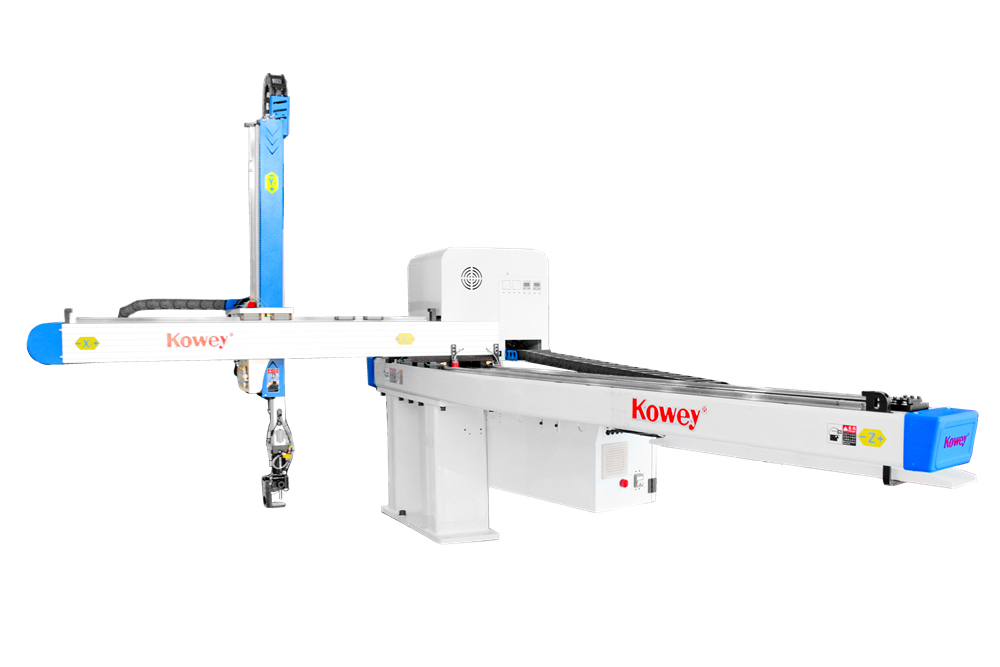
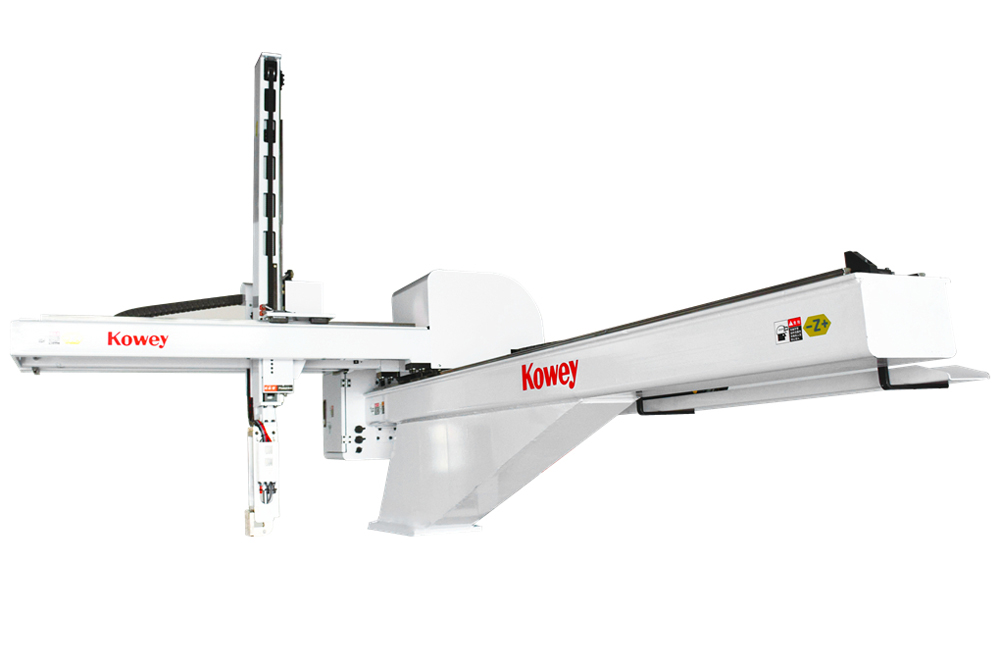
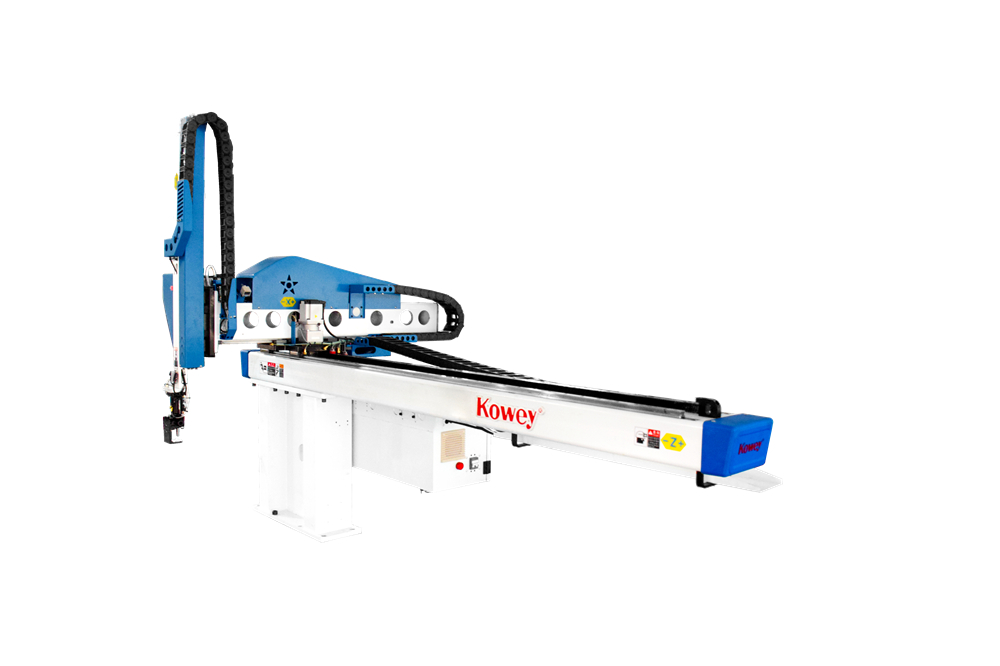
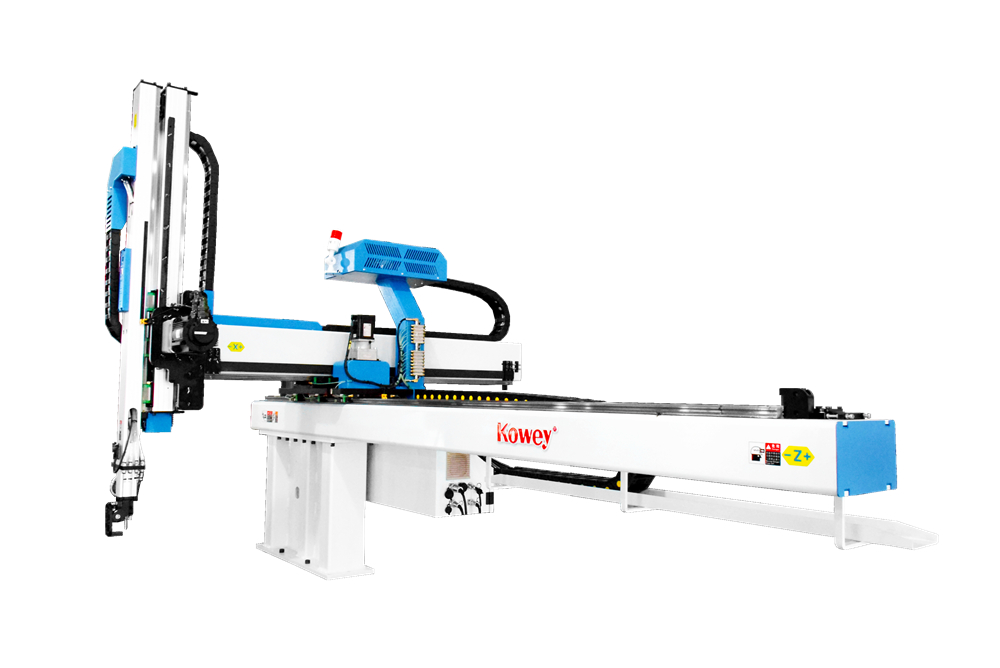
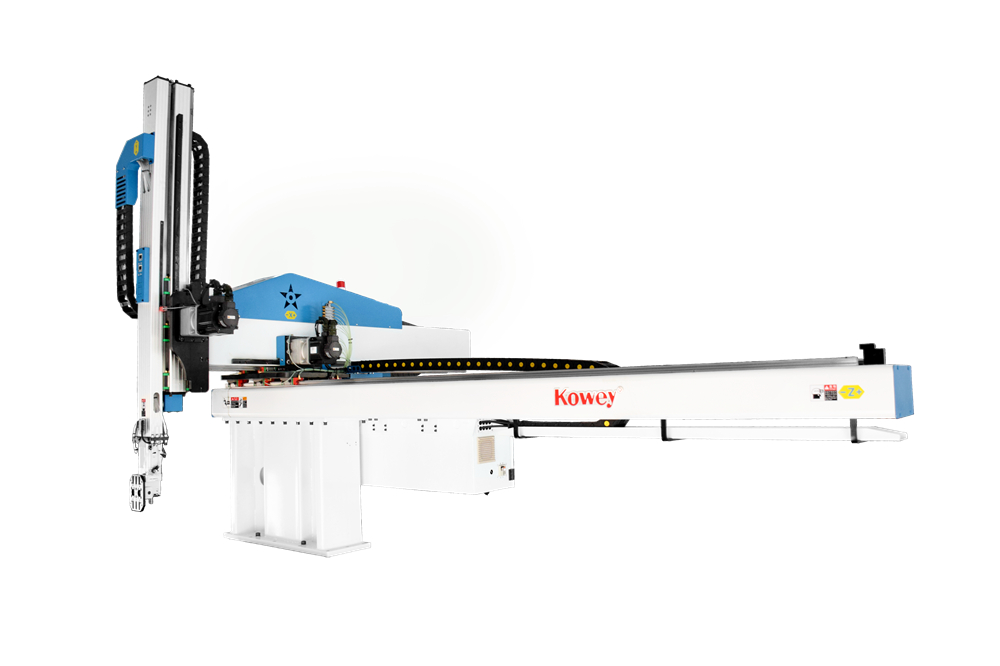
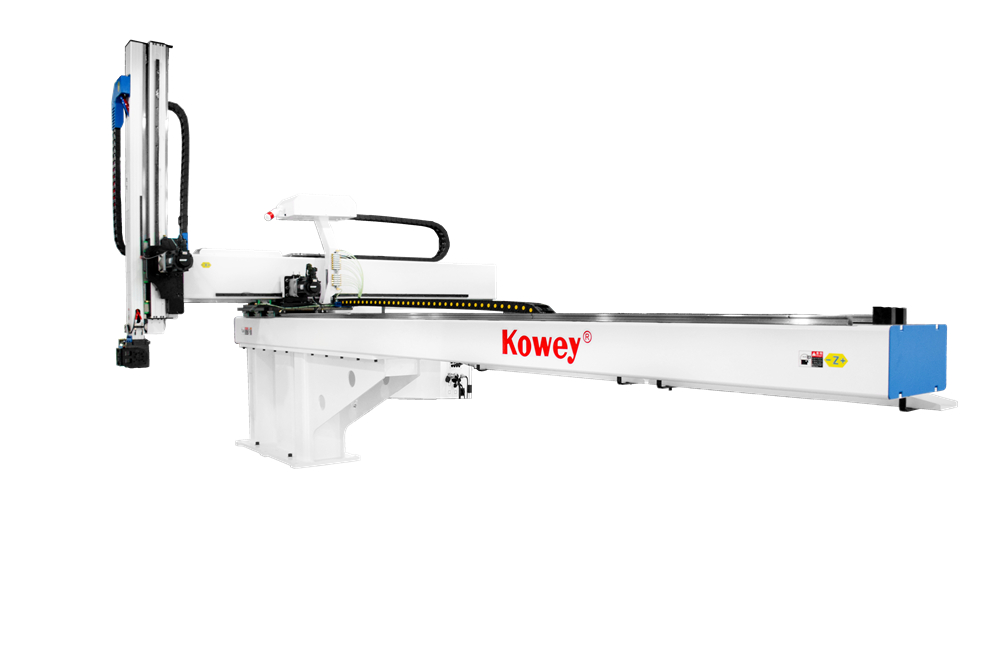
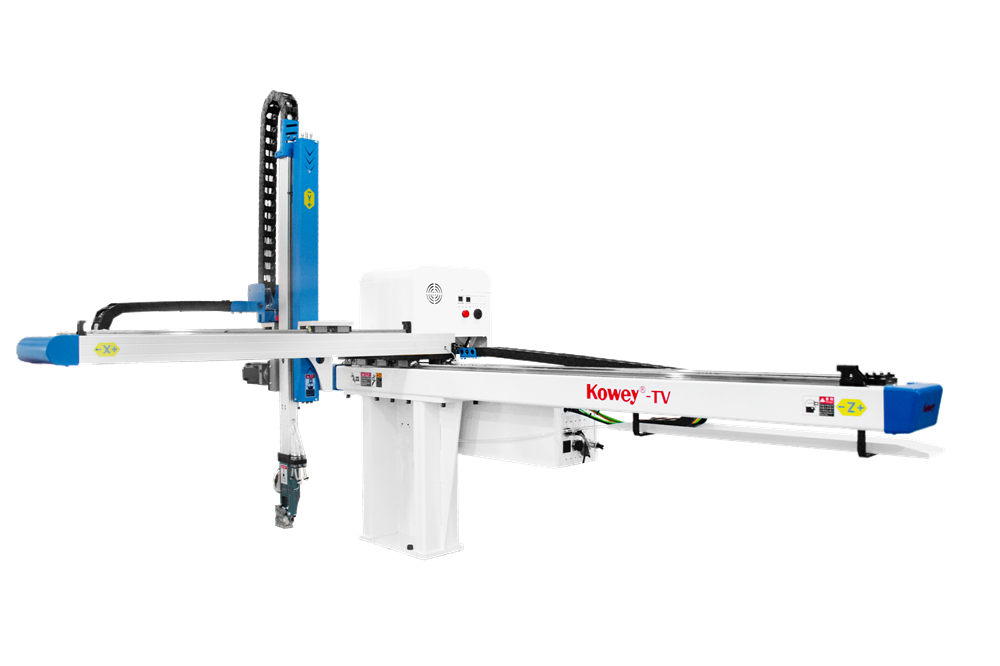
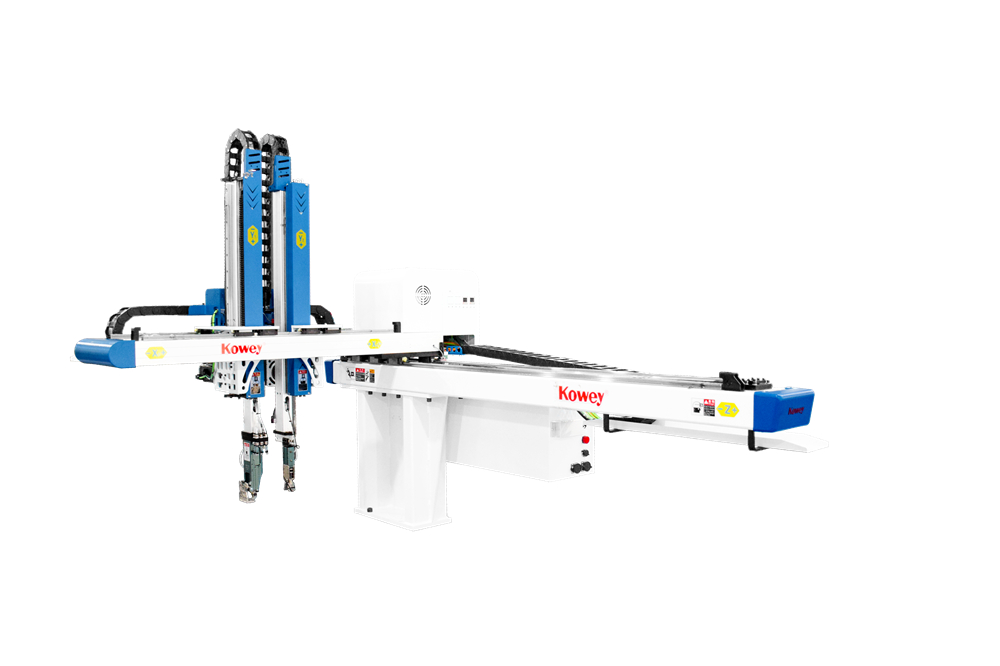
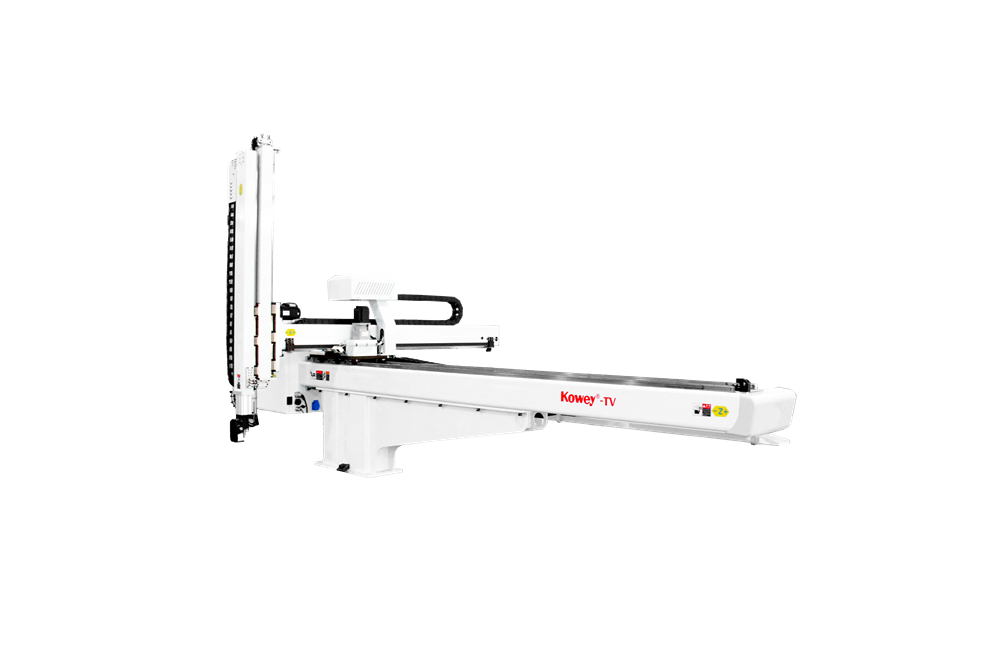
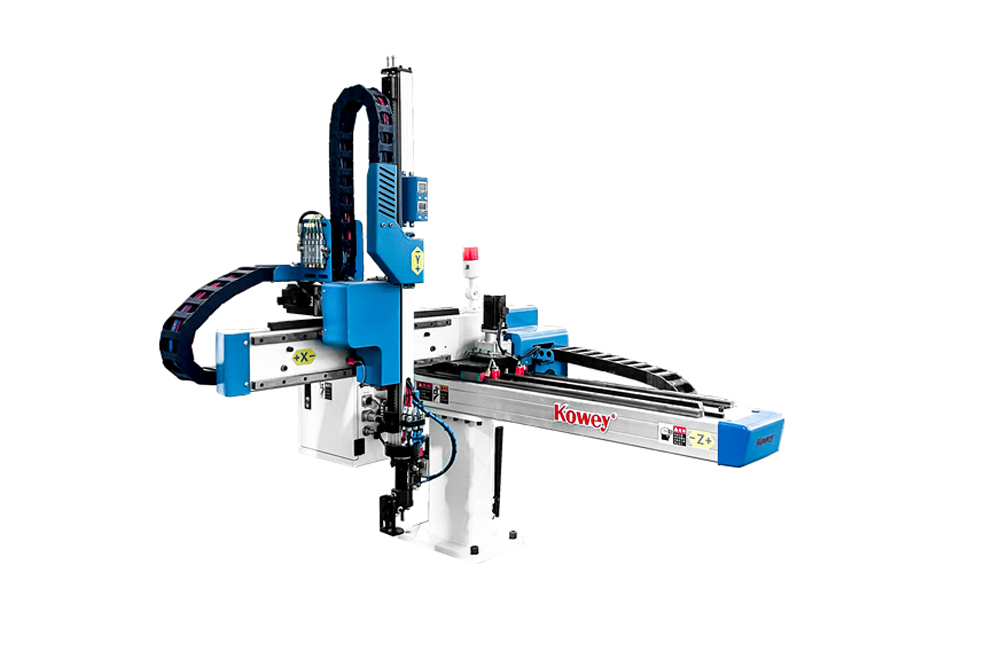
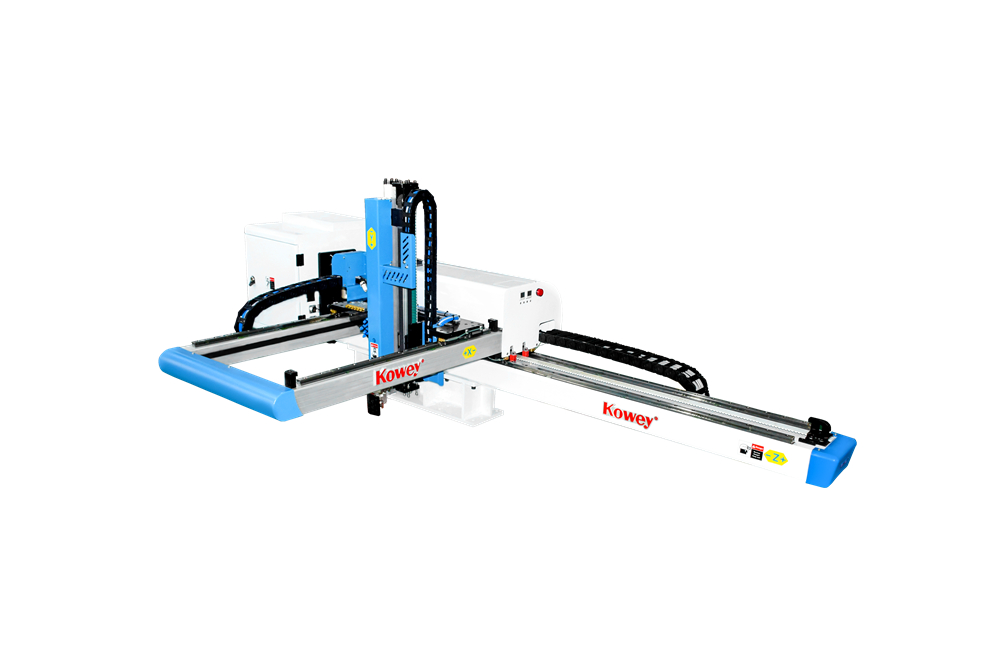
Comprehensive portfolio of servo-driven, high-precision industrial robots specifically engineered for flexible automated parts extraction and demolding.