


A Stackable Transfer Packaging System for Sauce Cups, Driving Automation Upgrades in the Food Packaging Industry
2026-08-31
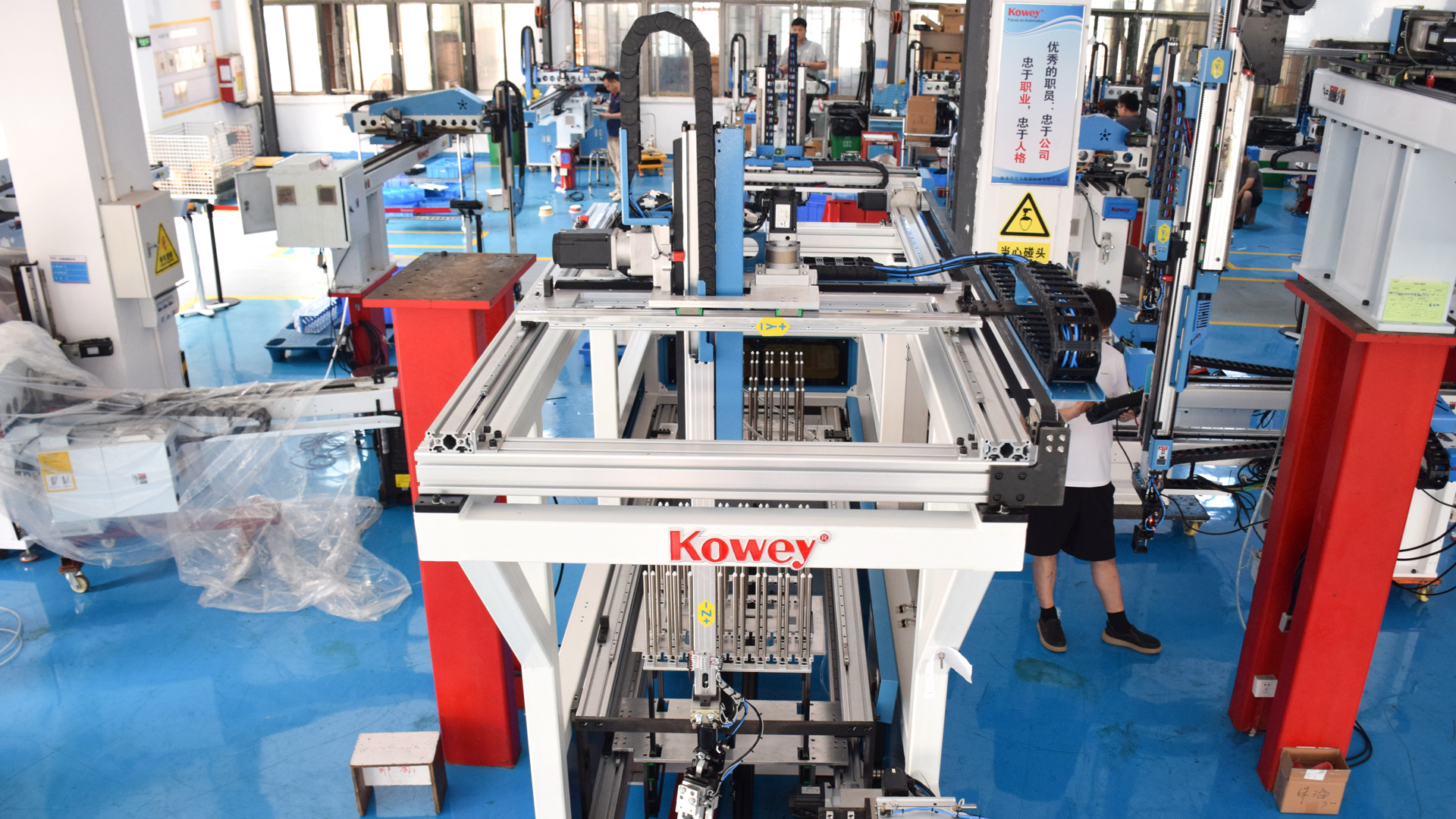
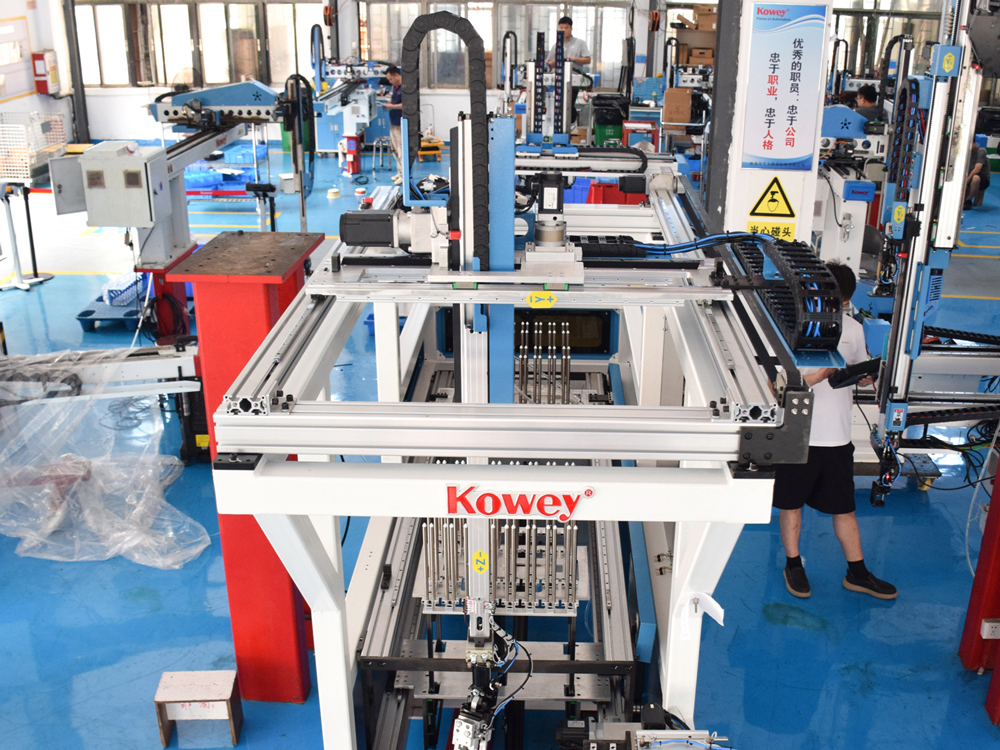
With the rapid development of fast food, restaurant chains, and food processing industries, the demand for small sauce cups, dipping cups, and seasoning containers continues to increase. After traditional sauce cup production, products usually require manual sorting, stacking, bagging, and transfer. This not only increases labor costs but also causes production efficiency to be affected by operator experience, making it difficult to meet the requirements of modern food packaging enterprises for high-speed, stable, and continuous production.To address the challenges of sorting and packaging during sauce cup production, a stackable transfer packaging system has been developed. Through automated mechanisms, the equipment enables continuous operations from cup removal after molding, product alignment, automatic stacking, and subsequent packaging transfer, effectively improving production efficiency and reducing labor requirements.
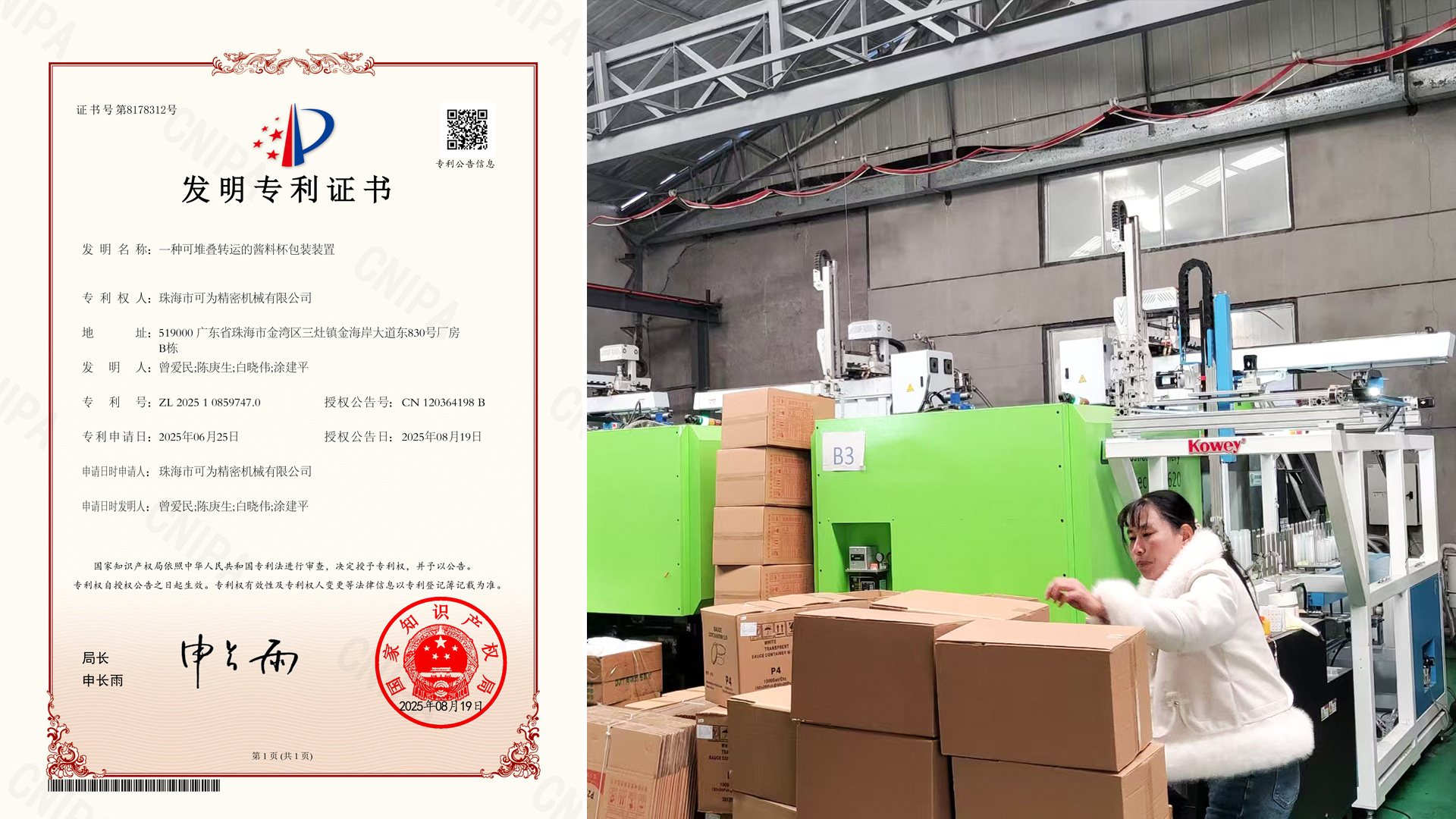
In traditional production methods, sauce cups coming out from injection molding machines or forming equipment require manual sorting and arrangement. This process can easily result in irregular placement, difficulties in quantity counting, and low packaging efficiency.
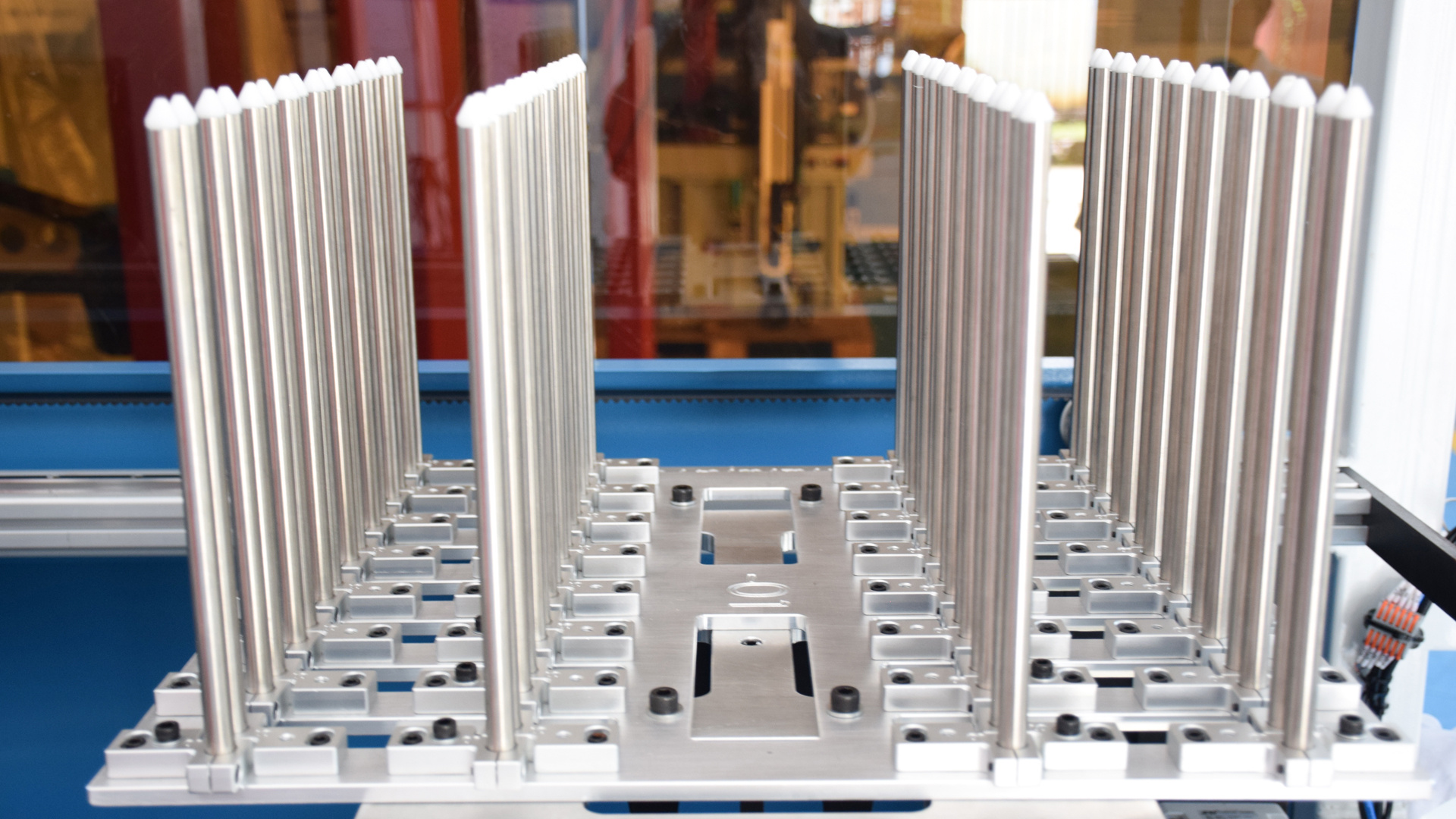
The automatic stacking and transfer system uses precision positioning mechanisms to organize products uniformly. Multiple sauce cups are grouped according to preset quantities, achieving standardized stacking and providing stable product arrangements for subsequent processes such as bagging and carton packaging.
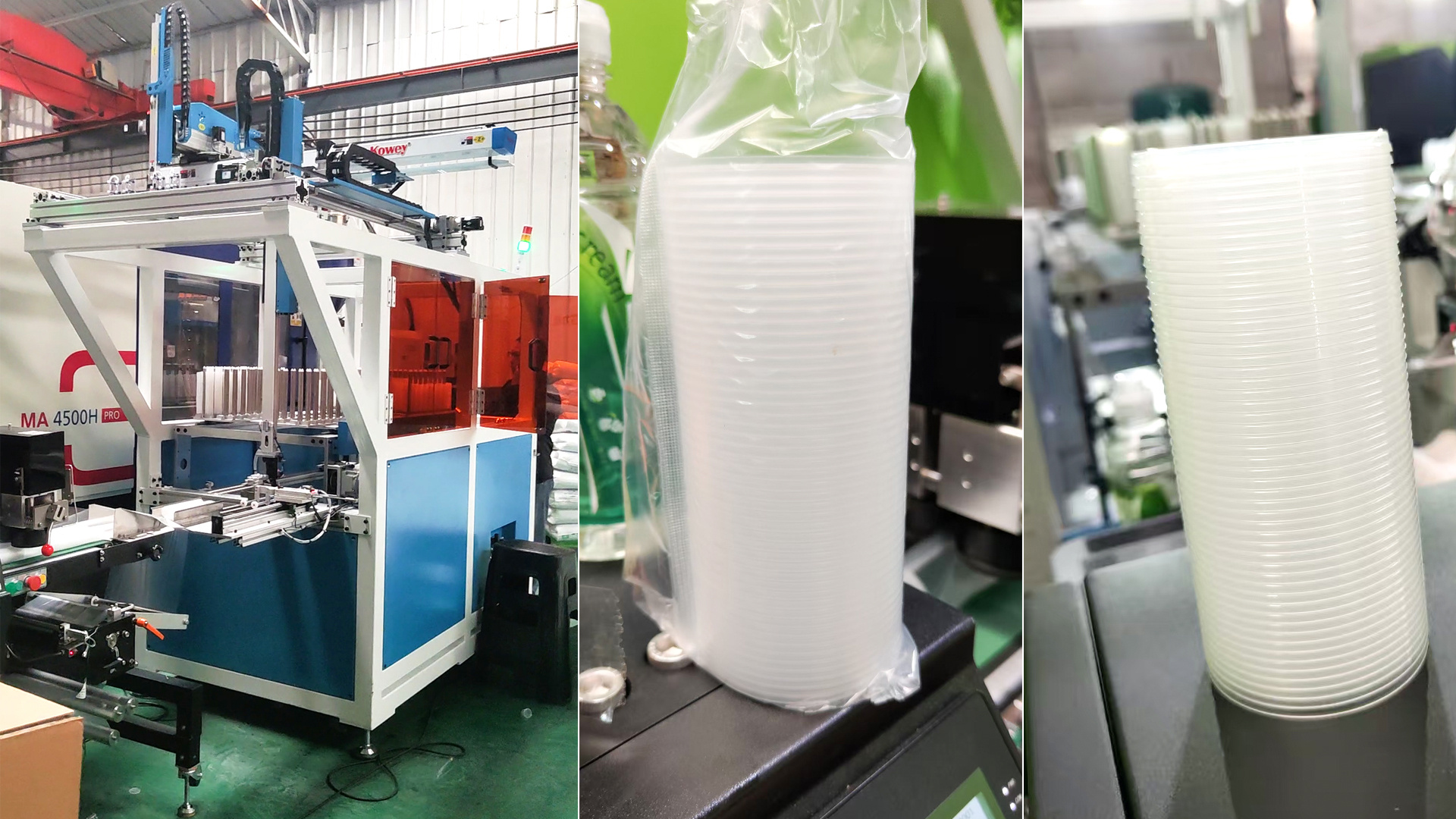
Through the cooperation of guiding structures, conveying systems, and sorting mechanisms, the equipment keeps sauce cups stable during high-speed operation, reducing product tipping and misalignment while improving the continuity of the entire packaging process.
For food packaging plastic product manufacturers, the efficiency of front-end injection molding production must be synchronized with the efficiency of downstream packaging processes.
Through automatic part removal by injection molding robots, the system can achieve:
Automatically entering the mold area and removing finished products;
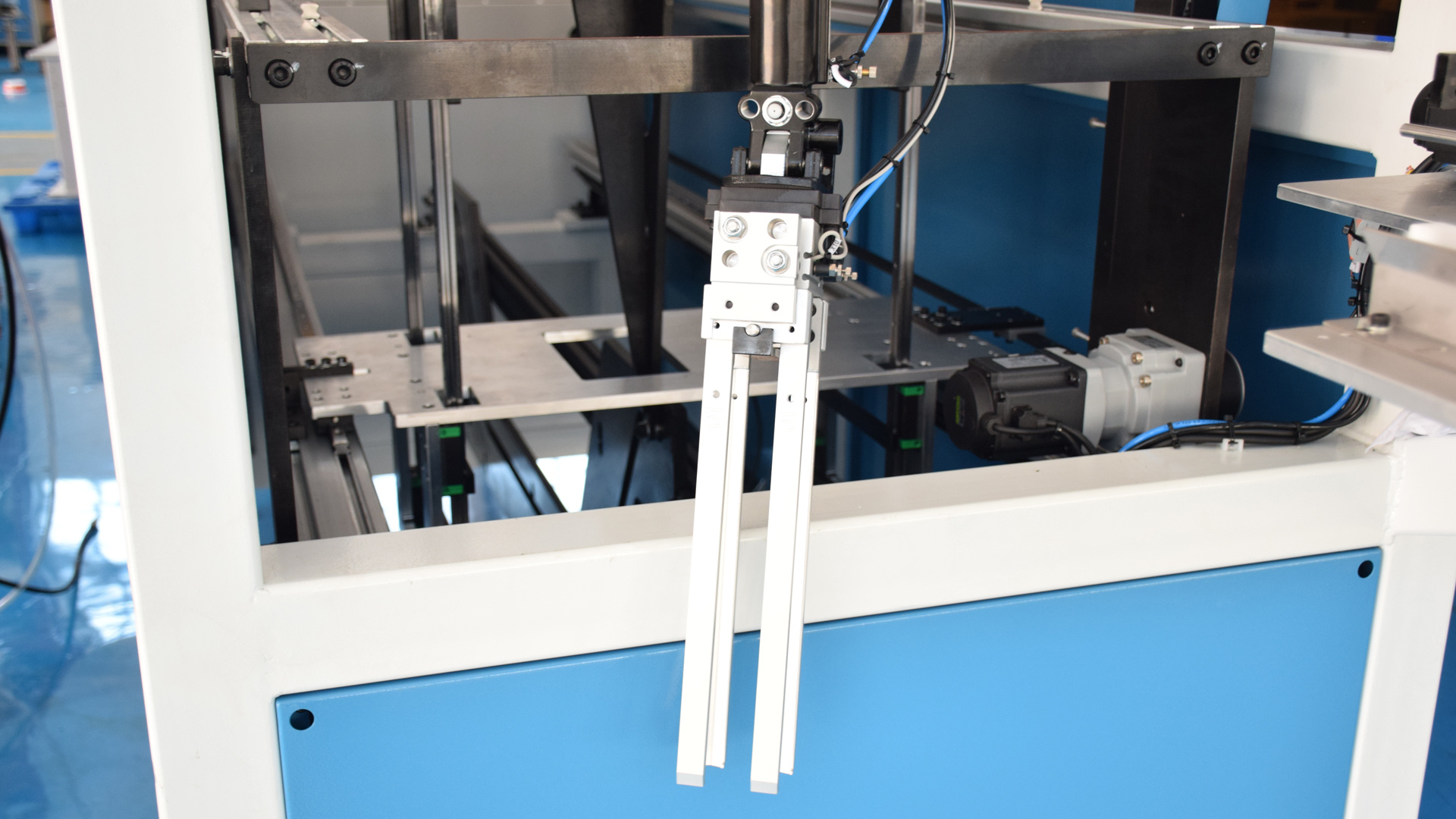
Precisely gripping multiple sauce cups at the same time;
Quickly placing products onto the stacking and transfer system;
Connecting with conveyor systems and packaging machines for coordinated operation.
Replacing manual handling with robotic operation reduces human contact with products, improves cleanliness in food packaging production environments, and maintains stable production cycles, making the production line more intelligent.
Especially in multi-cavity mold applications and high-speed injection molding production, automated picking and stacking systems can maximize equipment efficiency and significantly increase output per unit time.
As labor costs continue to rise, food packaging enterprises are paying increasing attention to the long-term value brought by automation upgrades.
Advantages of the Stackable Transfer Sauce Cup Packaging System: 1. Improve Production Efficiency The system automatically completes sorting, stacking, and conveying processes, reducing manual waiting time and improving packaging speed.
2. Improve Product Consistency Mechanical positioning replaces manual operation, preventing inconsistent quantities and irregular arrangements caused by differences in operator performance.
3. Reduce Labor Dependency The system reduces repetitive manual tasks, allowing employees to shift from simple handling work to equipment management and improving overall production efficiency.
4. Facilitate Production Line Upgrades The equipment can be integrated with injection molding robots, conveyor systems, and packaging machines to achieve fully automated production from molding to packaging.
From plastic cups, food containers, and thin lids to sauce cups and disposable food packaging products, the food packaging industry is moving toward higher speed, smarter production, and unmanned operation.
A stable and reliable automation solution does more than replace manual labor. More importantly, it helps enterprises improve production stability, reduce overall operating costs, and enhance market competitiveness.
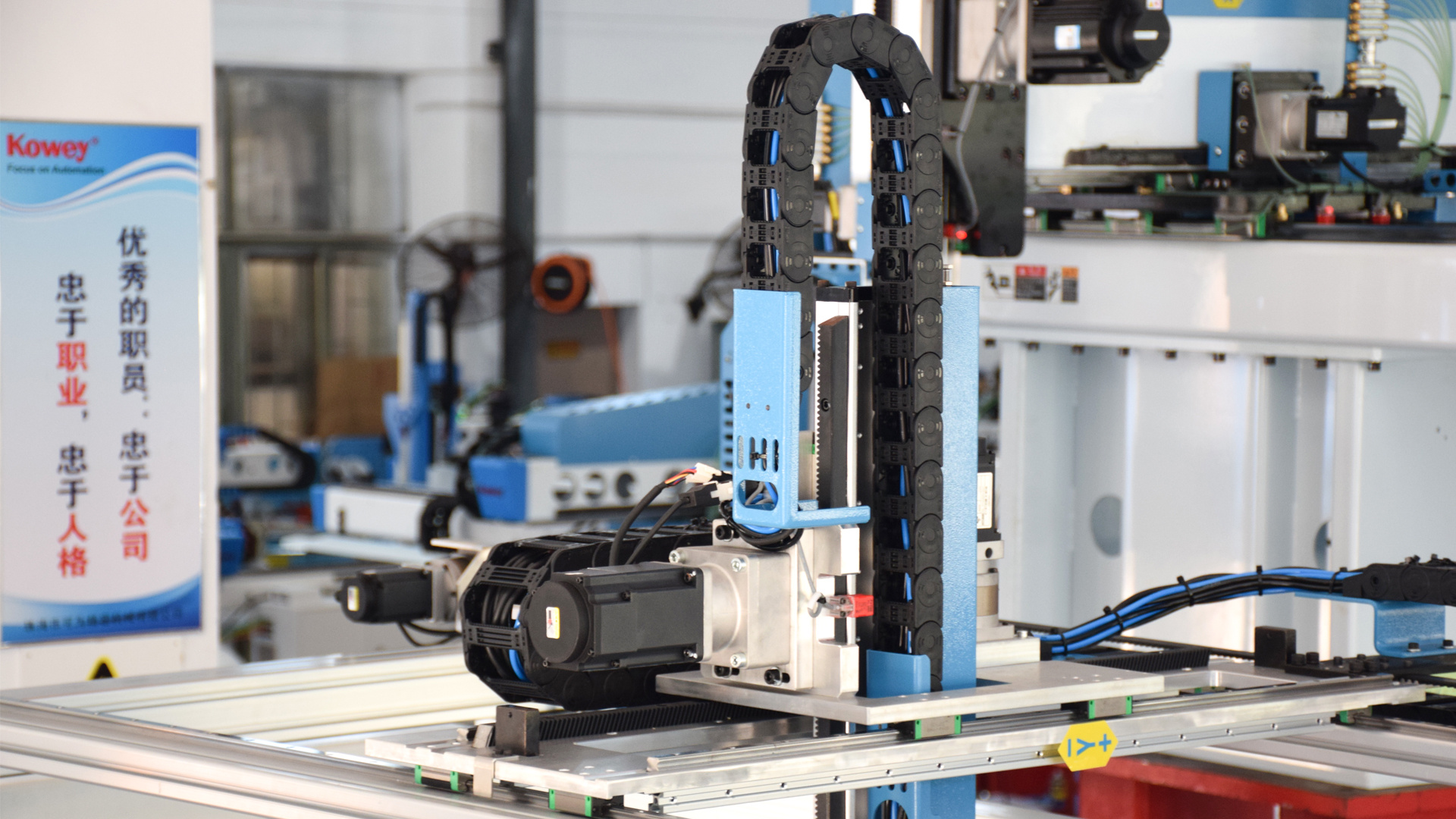
In the future, with the continuous development of smart manufacturing technologies, the deep integration of injection molding robots and automated packaging equipment will become an important direction for food packaging enterprises to improve efficiency and achieve lean production.