
Leave Your Message
-
Contact Phone
-
 Contact Email
Engineered to deliver micron-level repeatability and continuous high-cycle performance in precision consumer device housing and acoustic part production.
Strategic advancements in robotic sprue picking, cycle optimization, and particle management for consumer devices.
Driven by closed-loop AC servo drives that reduce mold open take-out times to under 0.6 seconds, safeguarding tool cavities and dramatically boosting overall equipment effectiveness (OEE).
Enclosed cable chains, food-grade lubrication, and low-friction linear guides prevent carbon debris and grease aerosolization around critical acoustic, optical, and wearable components.
Advanced pneumatic and servo wrists cleanly excise sprues and sub-runners from high-cavitation family molds without causing stress marks or surface contamination on visible A-surfaces.
The consumer electronics sector represents one of the most volatile and precision-demanding segments within global plastics processing. From ultra-thin smartphone chassis and smart acoustic earbud housings to AR/VR head-mounted display frames and laptop structural bezels, the margin for error is razor-thin. Injection molders face stringent aesthetic benchmarks, zero flash tolerance, non-negotiable thermal dissipation requirements, and brief product life cycles. Within this hyper-competitive manufacturing theater, relying on manual component extraction or gravity-drop demolding introduces unacceptable risks: scratched cosmetic surfaces, thermal deformation, cavity damage, particulate cross-contamination, and variable cycle durations that compromise part crystal structures.
A specialized sprue picker robot engineered for consumer electronics molding resolves these commercial vulnerabilities directly. By removing sprues and runner systems with absolute kinematic synchronization during mold opening, manufacturers maintain constant mold temperatures and thermal equilibrium. This operational stability eliminates sink marks, warpage, and structural variations caused by uneven cooling phases. At the same time, separating the runner from the finished product inside the mold envelope minimizes secondary manual cutting, lowers labor footprints across cleanroom facilities, and guarantees immediate granulation of pure regrind without environmental contamination.
Precision consumer electronics components typically utilize advanced engineering polymers, such as Polycarbonate (PC), Liquid Crystal Polymer (LCP), Polymethyl Methacrylate (PMMA), and cyclic olefin copolymers (COC), often reinforced with nano-fillers or glass micro-fibers. These resins exhibit narrow processing windows and sensitivity to shear stress. If a sprue picker pulls with misaligned torque or excessive mechanical jerk during ejection, micro-cracks form at the gate entrance, propagating invisible structural flaws that cause premature failure in drop tests.
Contemporary sprue pickers solve this by integrating high-rigidity structural aluminum alloys, double-stage telescopic arms, and multi-axis servo synchronization. Rather than crude pneumatic jerking, high-precision electronic positioning systems orchestrate controlled breakaway velocity curves. The robot dynamically matches the mechanical ejector pin timing, applying stable vacuum or mechanical grip vectors that lift delicate runners without applying flexural torque to the molded consumer shell. Furthermore, specialized end-of-arm tooling (EOAT) equipped with soft-touch PEEK or conductive silicone contact pads prevents electrostatic discharge (ESD) events that could ruin embedded smart sensors or antennas during insert-molding runs.
Looking into the next decade of intelligent consumer device production, the sprue picker is transitioning from an isolated pick-and-place device into a fully integrated edge-computing node. Industry 4.0 implementations now connect robot controllers directly with injection molding machine (IMM) control architectures via standard protocols like Euromap 67, Euromap 73, and OPC UA. Machine vision sensors mounted onto the picker’s secondary axis continuously analyze extracted runner geometries and gate shearing quality in real time, detecting short-shots, flash, or broken pins before the mold clamp re-engages. By closing the feedback loop between the automation arm and the machine's barrel pressure profile, manufacturers protect multi-million-dollar hot runner tooling and maintain predictable zero-defect output.
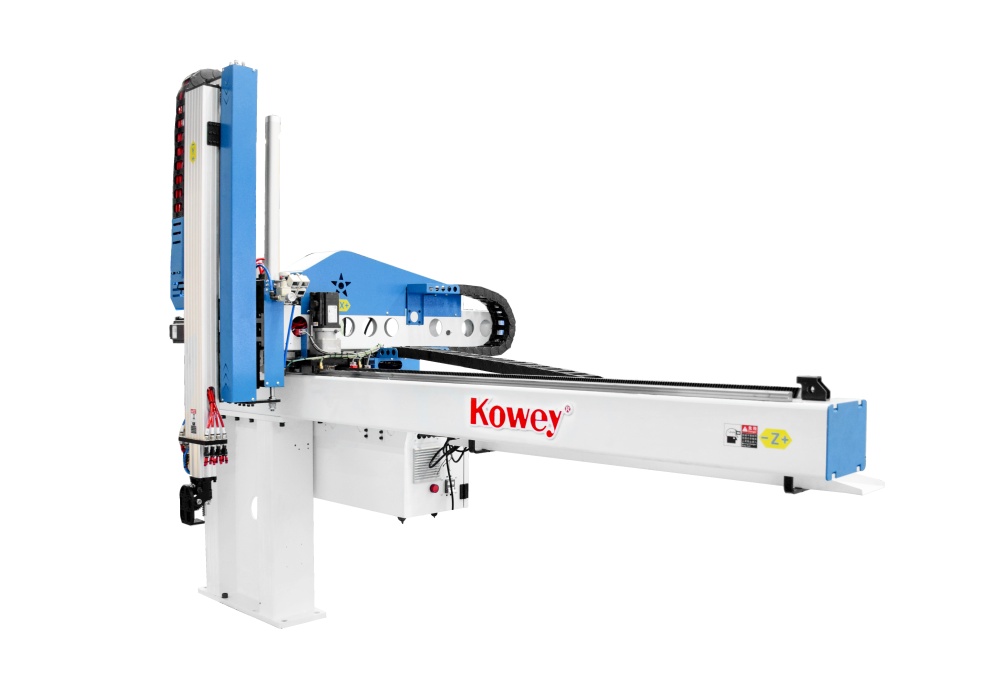
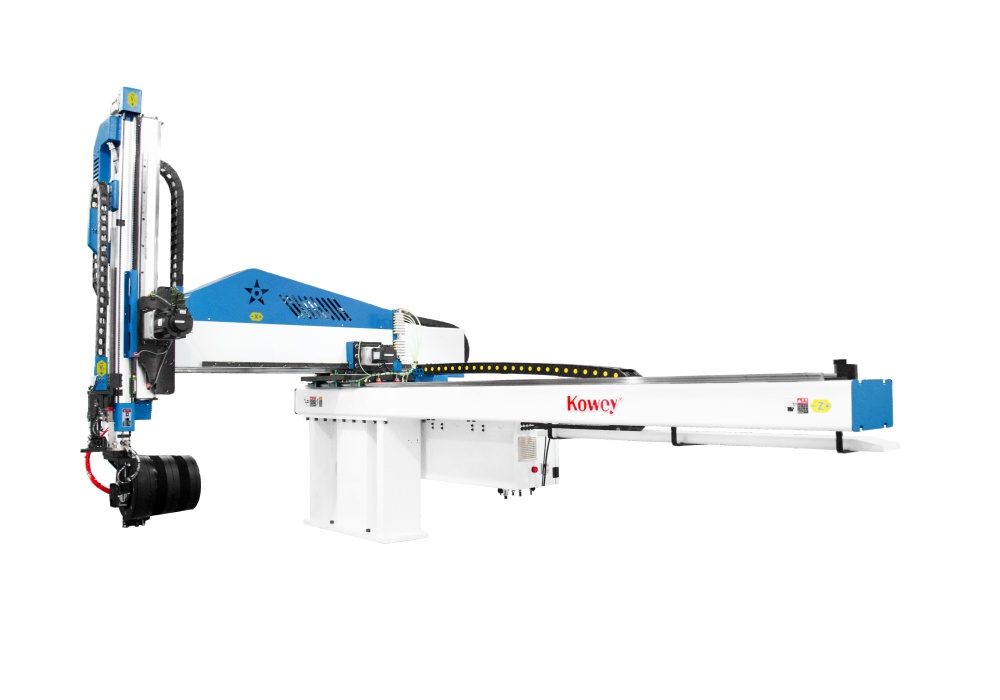
Explore our versatile machinery options, covering standard compact sprue extraction, high-speed side entry, and multi-axis servo automation.
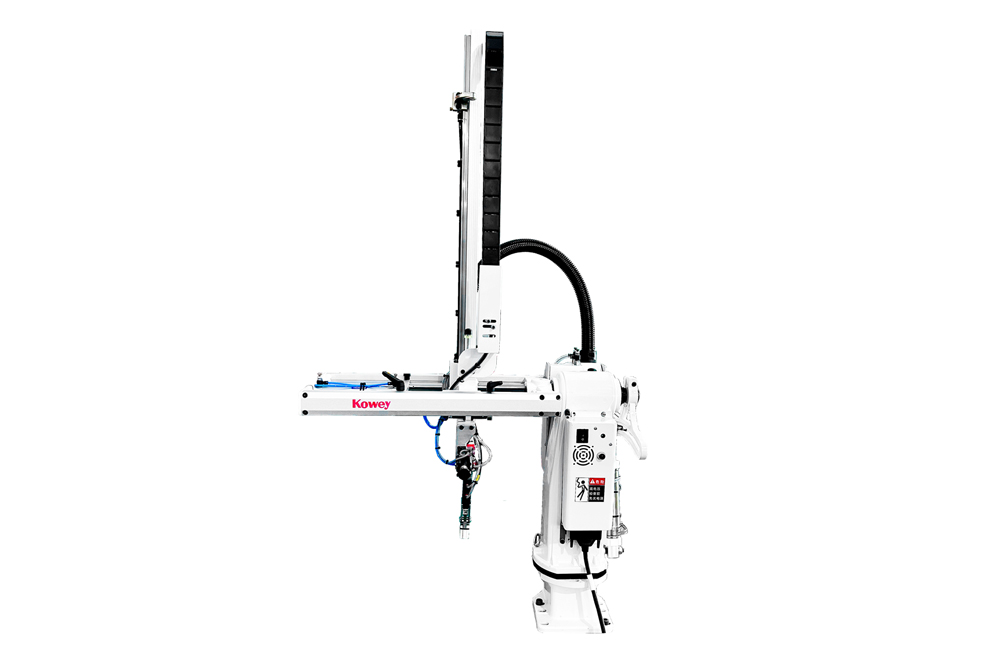
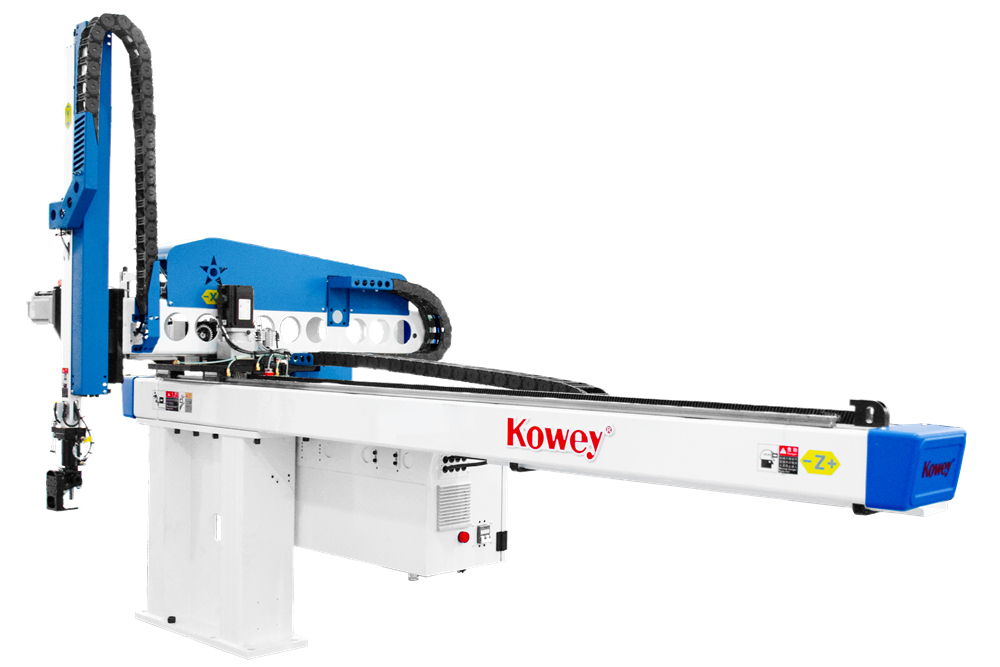
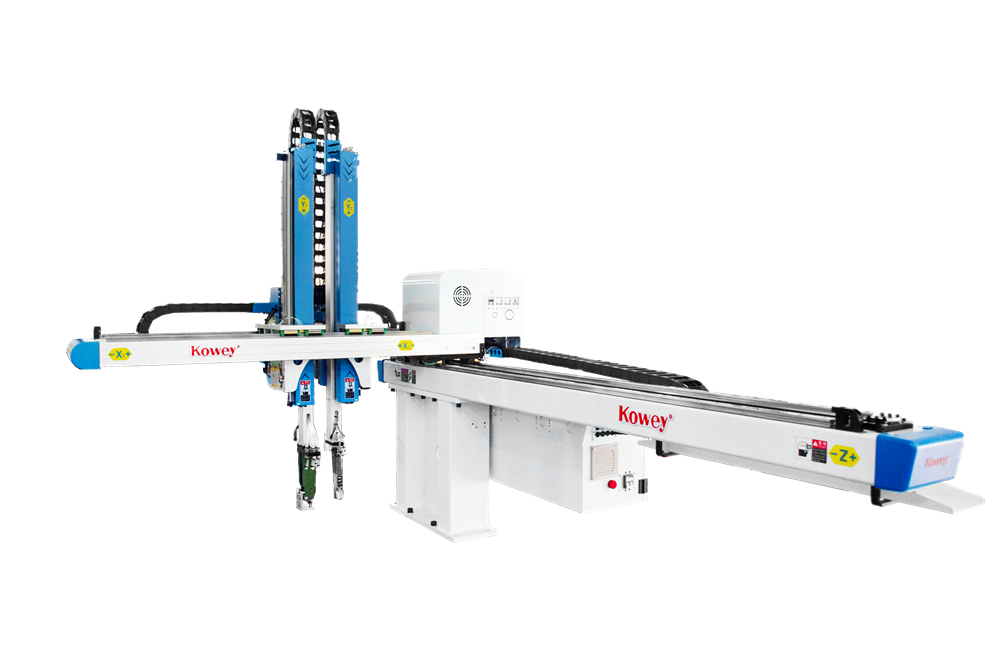
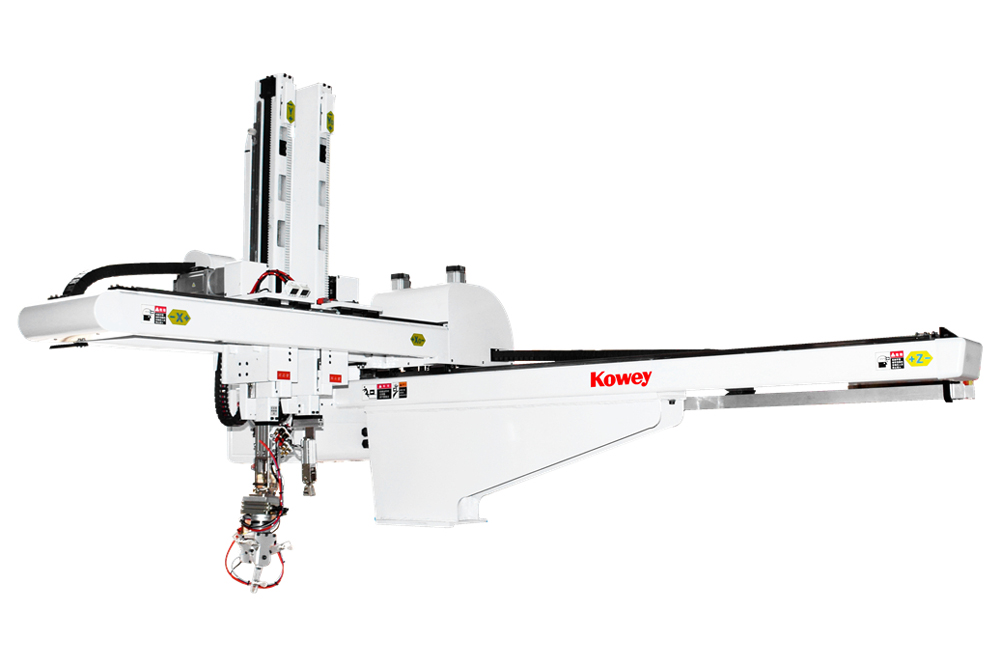
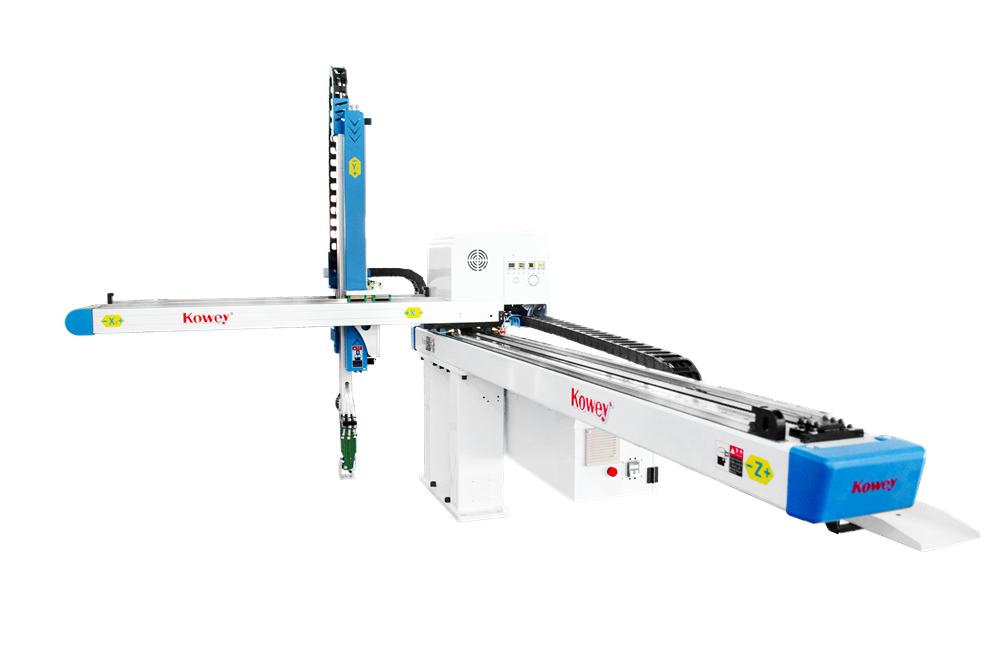
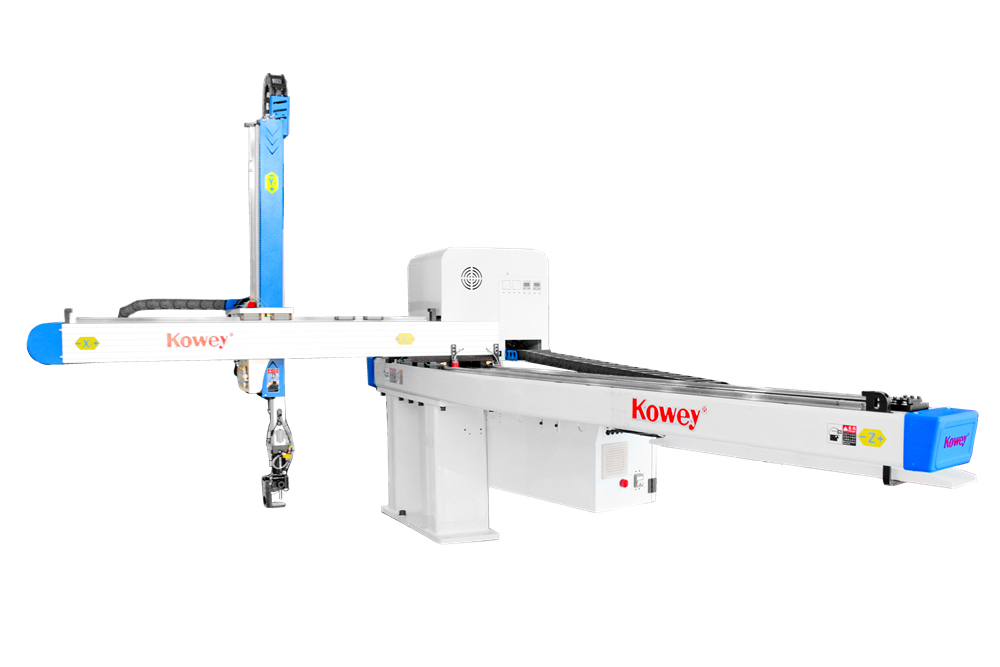
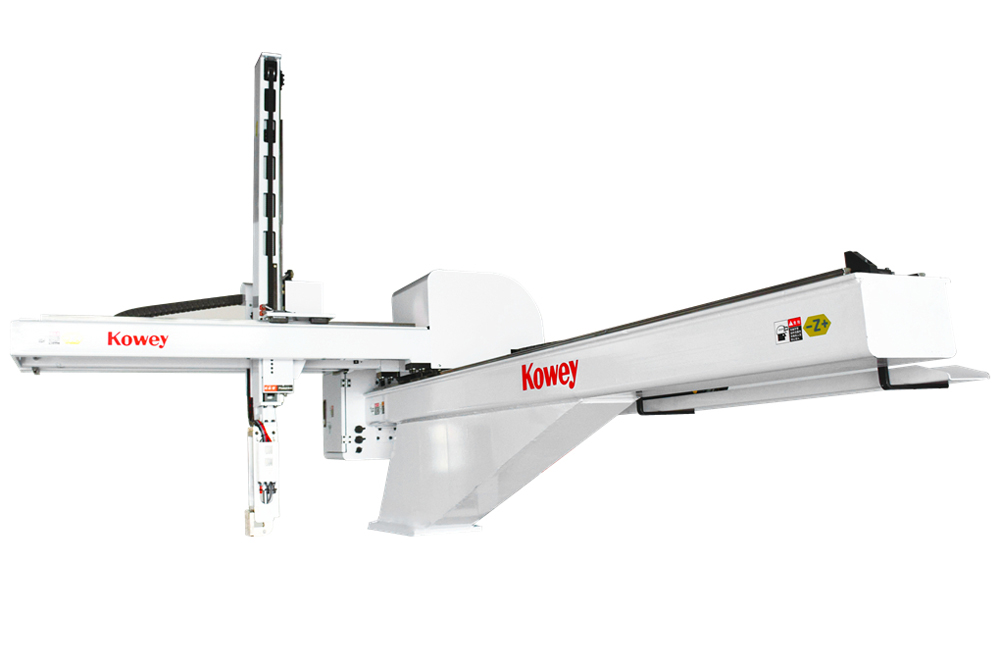
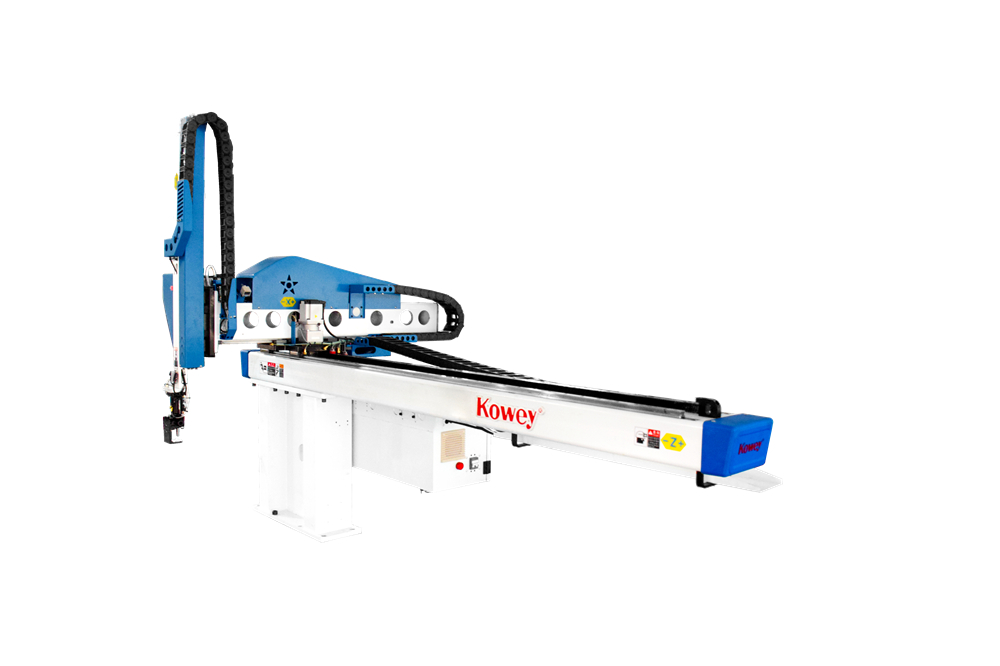
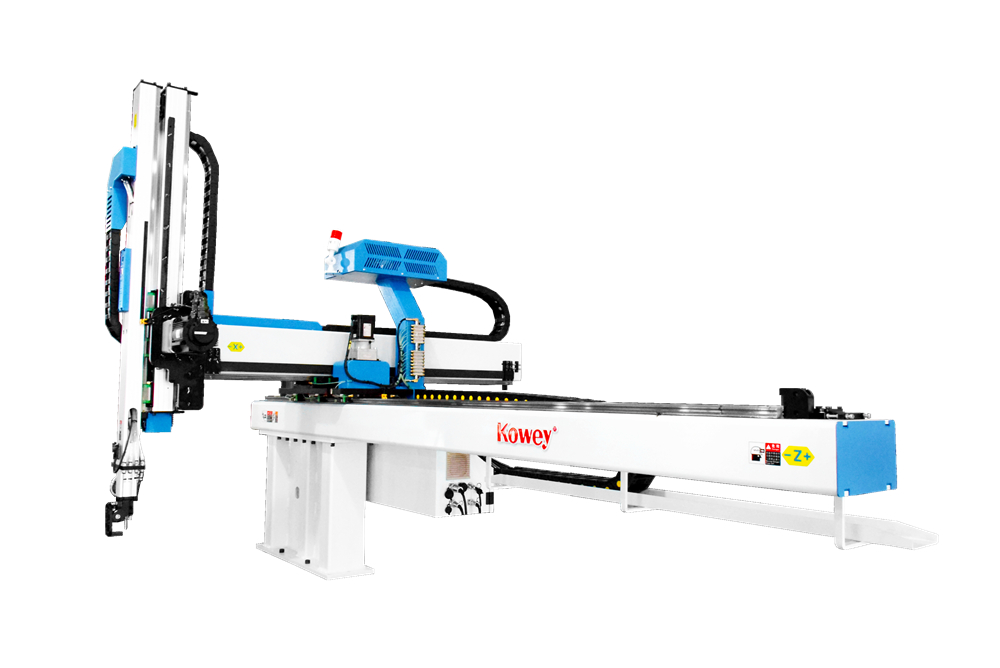
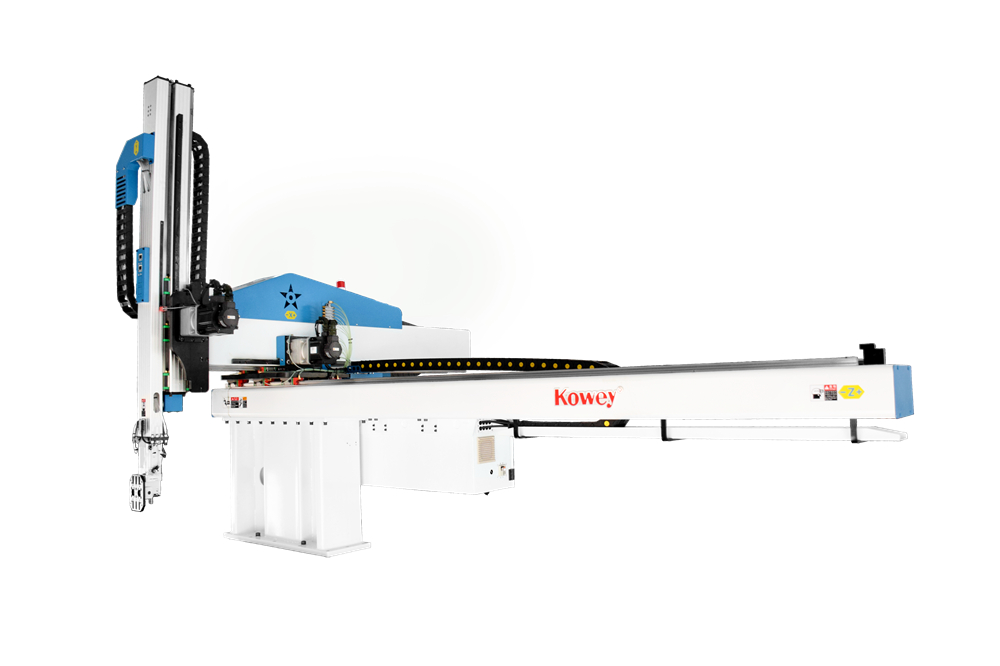
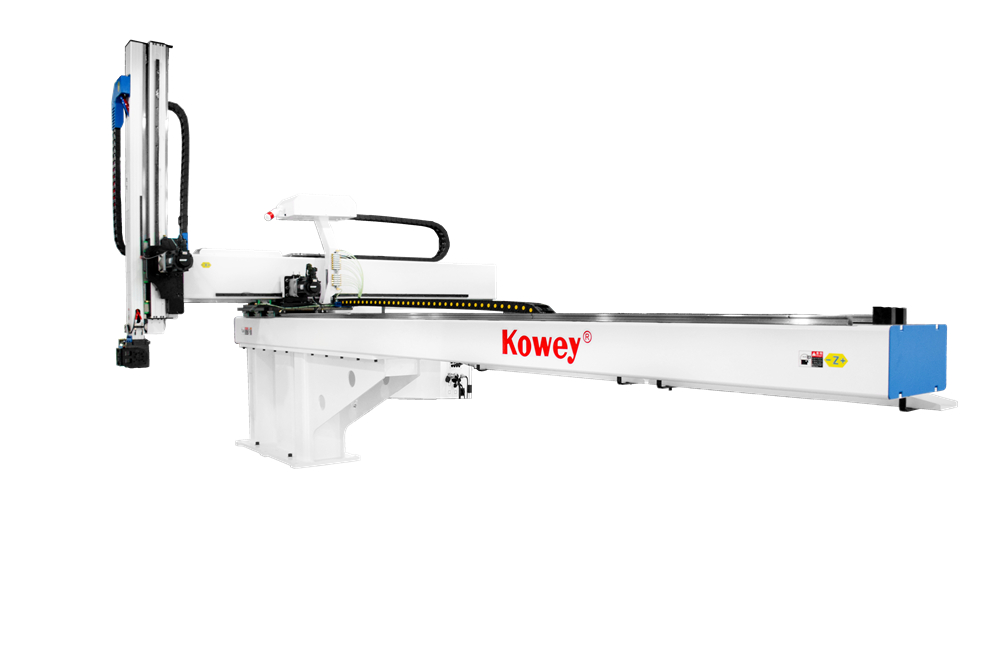
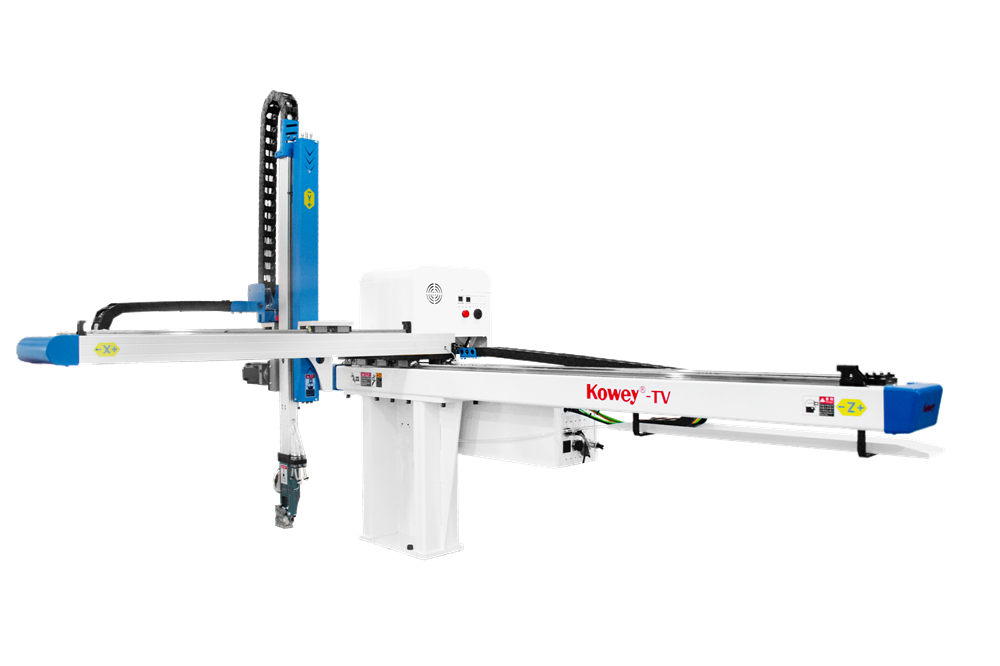
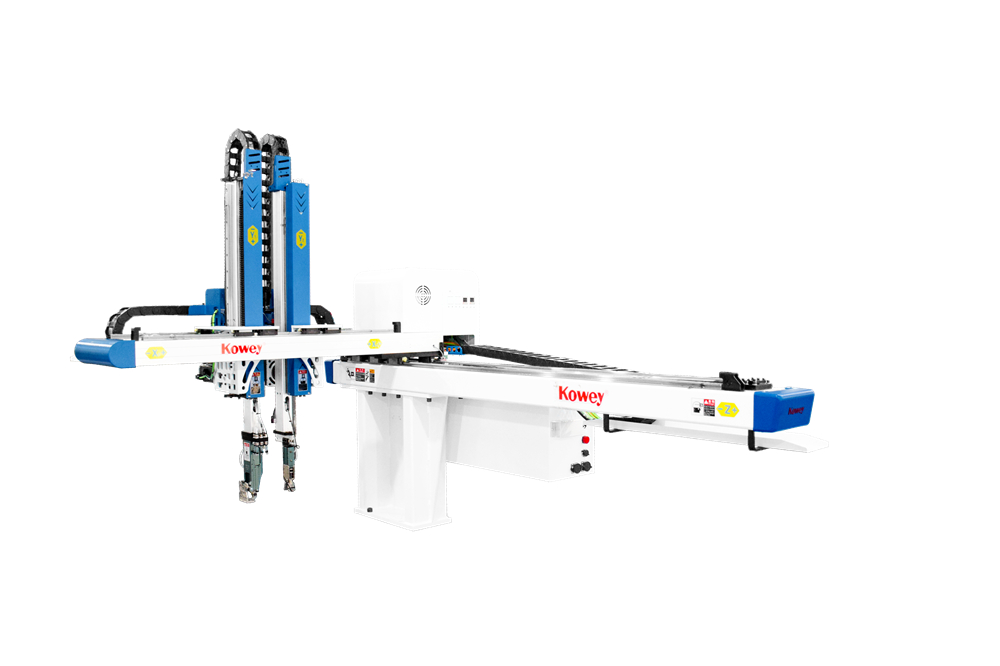
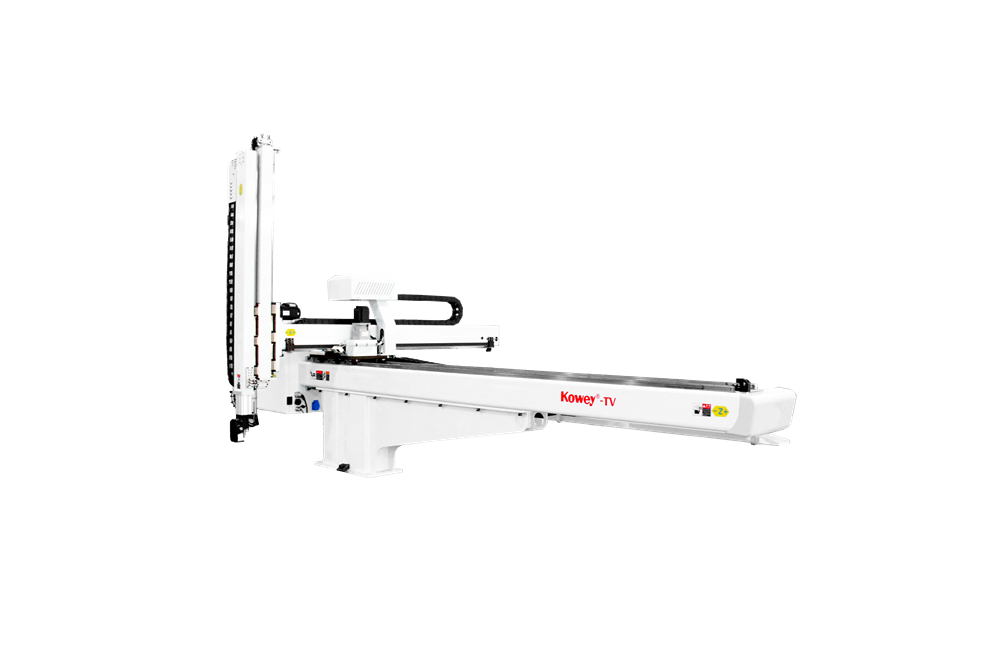
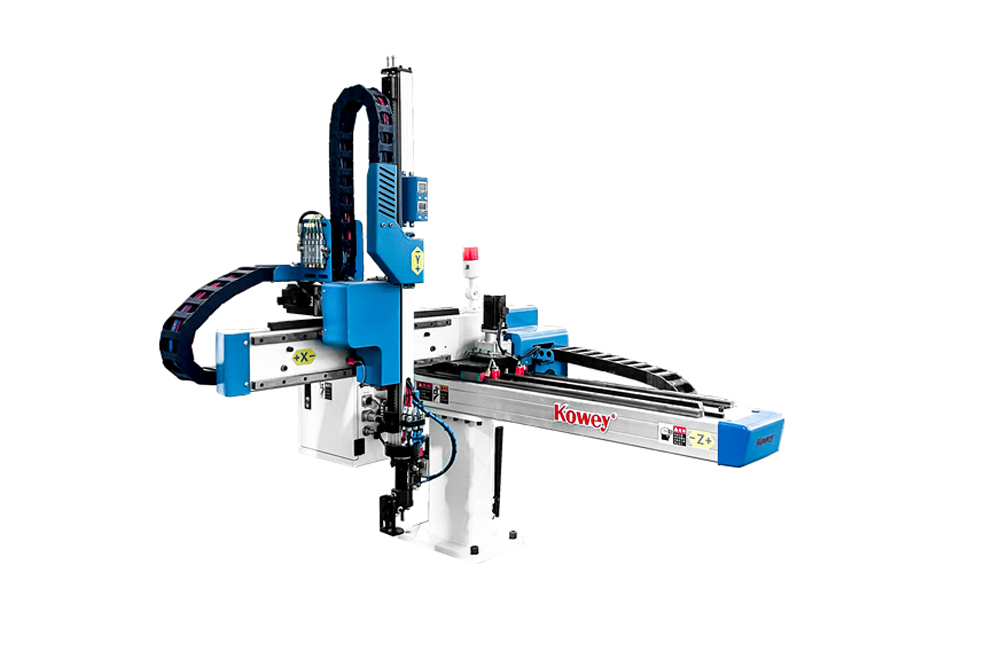
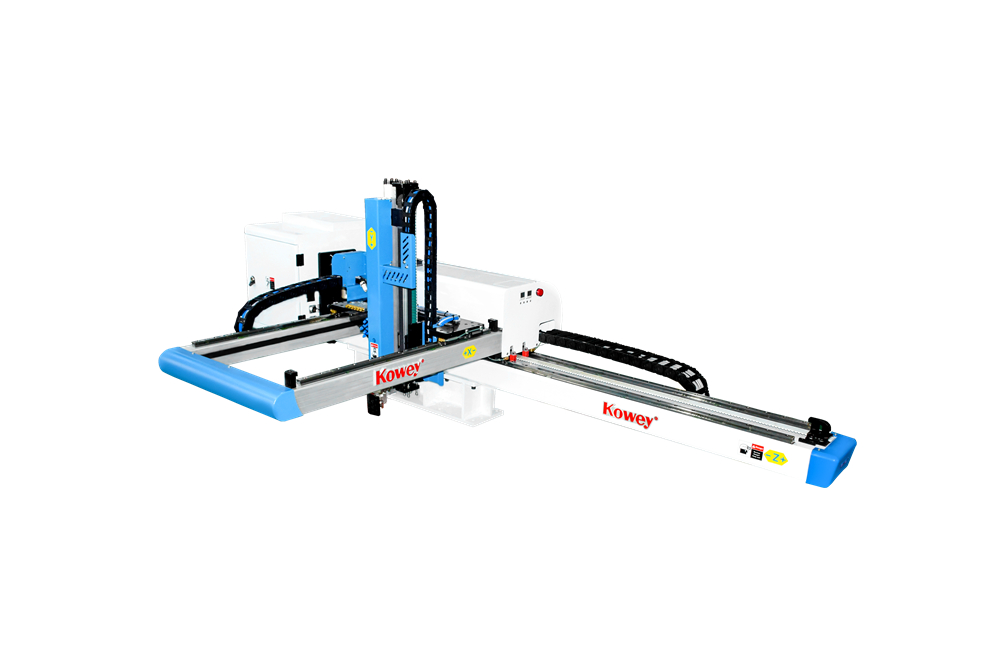
Specific integration profiles across diverse consumer electronic component lines.
True Wireless Stereo (TWS) earbud shells and charging cases demand pristine, unmarred mirror surfaces and extremely tight acoustic channel alignments. In these operations, multi-cavity tooling runs on fast cycles using high-flow Polycarbonate or ABS blends. Dedicated sprue pickers are equipped with precision sub-runner cutters that sever the injection feed inside the mold area. This eliminates gate vestige, ensuring the final piece meets microscopic tolerance limits without requiring human operators to trim excess material manually.
Smartphones and wearable display frames require micro-molding configurations with wall thicknesses frequently dropping below 0.45 millimeters. Here, mold filling pressures are elevated, and the runner systems must detach instantly to prevent uneven thermal dissipation. Sprue pickers featuring dual-arm configurations handle simultaneous runner extraction and finished component vacuum pick-up, orienting pieces toward automated quality-check vision stations and packaging belts without interrupting process continuity.
For augmented reality (AR) lenses, security camera covers, and smartphone camera light pipes, internal stress and airborne particulate contamination are critical failure causes. In these workcells, sprue picker robots are enclosed inside laminar-flow HEPA cleanroom canopies directly mounted on the injection machine platen. The pickers employ low-dust linear guides and brushless servo actuators, ensuring that extracted sprues are transferred smoothly away from optical cavities without dispersing airborne micro-particles across polished tool inserts.
Standardized, reliable take-out platforms configured for consumer electronic molding facilities.