Leave Your Message

Blog

How to Choose the Right Robotic Picking Arm?

How to Choose the Right Robotic Picking Arm?

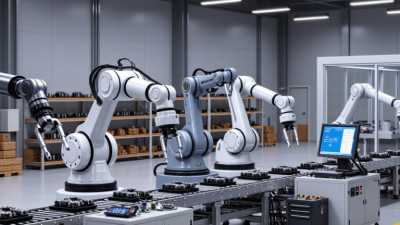
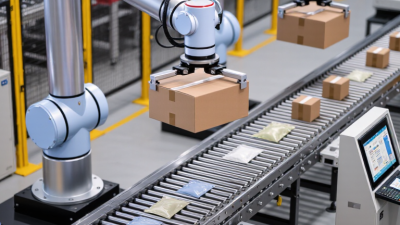
Picking the right Robotic Picking Arm? Honestly, it's almost never just about comparing payload specs. A good arm has to fit your product, your workspace, your picking speed, and the rhythm of your production line. And it needs to play nice with people, conveyors, cameras, and whatever software you're already running. Rodney Brooks, who founded Rethink Robotics, once put it like this: “The robots are coming, but they are not coming to take our jobs.” That idea is worth keeping in mind when you're weighing automation. Most of the time, the best setup helps operators do their jobs better—it doesn't try to remove every human judgment call. So a practical evaluation should look at reach, repeatability, gripper compatibility, vision accuracy, cycle time, and payload at full extension. The little stuff matters too. A damp carton, a shiny package, or a part that's just slightly out of place can reveal weaknesses fast. Don't just trust the demo. A clean showroom test can hide the messy reality. Ask suppliers to run your actual products—damaged packaging, mixed sizes, changing lighting, all of it. Check how the arm integrates with PLCs, warehouse software, safety systems, and maintenance tools. And don't forget total cost: installation, training, spare parts, downtime, energy use. A cheaper sticker price can get expensive quickly if support is slow or programming is a headache. There's no single best arm out there. That's the uncomfortable truth. A fast six-axis model might be overkill for simple pick-and-place work. A compact collaborative arm might struggle with heavy loads or tough cycle times. This guide will compare the key selection criteria, walk through common trade-offs, and show you how to build a more reliable business case before you choose a Robotic Picking Arm.
Read more »
Julian By:Julian - October 11, 2026
What Is the Top IMM Robot for 2026?

What Is the Top IMM Robot for 2026?

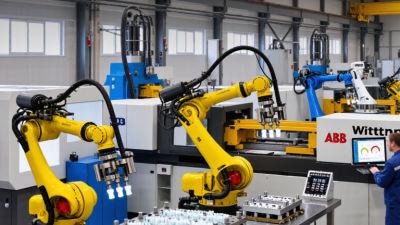
Picking the best Imm Robot for 2026 isn’t just about speed, payload, or price tag. Injection molding plants today want stable cycle times, careful part handling, lower energy use, and easier integration with modern production systems. A robot can look great in a showroom and still struggle next to a high-speed molding machine. John Dulchinos, a well-known name in manufacturing automation, put it this way: “Automation should augment human judgment, not erase it.” That’s worth keeping in mind when you’re sizing up an Imm Robot. The right system should take over repetitive lifting and sorting, sure—but it should also give operators clearer data and safer control. And it needs to play well with vision inspection, quick mold changes, flexible end-of-arm tooling, and reliable communication with the molding machine. Small details tend to decide the outcome. A robot that shaves two seconds off each cycle can add up to a lot of extra output over a year. On the other hand, messy cable routing can turn into maintenance headaches. A slick interface won’t make up for weak after-sales support. That’s where a lot of rankings fall short. No single model works for every factory. This guide looks at leading Imm Robot solutions for 2026 using practical criteria: repeatability, installation effort, service access, software compatibility, and total cost of ownership. Brands like FANUC, Yaskawa, ABB, Sepro, and Wittmann Battenfeld are still important reference points—but brand reputation alone shouldn’t make the call. A careful buyer needs to compare real cycle data, product weight, mold layout, workforce skills, and future expansion plans. Even experienced teams can underestimate integration time. And honestly? That uncertainty deserves real attention.
Read more »
Julian By:Julian - October 7, 2026
2026 Best Robotic Manipulator for Global Procurement?

2026 Best Robotic Manipulator for Global Procurement?

You know, by 2026, the way people are buying robotic manipulators is really shifting. It’s no longer just about looking at payload capacity, reach, or the price tag. Buyers are now digging deeper—checking things like how reliable the robot is (uptime), whether it plays nice with existing software, safety certifications, support options, spare parts availability, and overall costs over the long run. It’s become a lot more complex, really. Back in 2023, the International Federation of Robotics reported over 541,000 industrial robots installed around the world, with more than 4.28 million operating in factories. That’s pretty impressive growth, but just because a robot has these numbers doesn’t mean it’s automatically the right choice for your needs. A robot that can move super fast might end up costing a ton if it takes forever to put into place. Or, you might find a cheaper model, but then you end up paying loads for programming and support. Marina Bill, who’s president of the International Federation of Robotics, pointed out that “Robots are a key technology for the future.” That really hits home, especially as industries are shifting toward more flexible automation solutions. Big names like FANUC, ABB, Yaskawa, KUKA, and Universal Robots are all vying across sectors like manufacturing, logistics, electronics, and healthcare. But their systems aren’t the same—things like payload stability, control architectures, vision systems, and how support is handled can vary a lot depending on where you’re buying from. When building a shortlist for 2026, it’s crucial to think about real-world factory conditions—think dusty workshops, tight spaces, or late-night shifts when there aren’t engineers around. Will the robot be able to recover safely if something goes wrong? Can your local techs fix it easily? And don’t forget to ask if the supplier has clear info on cybersecurity and the total cost over its lifecycle. Honestly, there’s no one perfect choice. That’s the tough part. Sometimes procurement teams get stuck overestimating what specs can do and underestimate the risks involved in integrating new tech. That’s where this guide comes in. It compares the top options based on actual performance, the reliability of suppliers, real-world experiences, and independent industry evidence. At the end of the day, the best pick should match your specific process needs—not just impress everyone with slick spreadsheets.
Read more »
Julian By:Julian - October 1, 2026
China Top 10 In Mold Labeling Robot Manufacturers

China Top 10 In Mold Labeling Robot Manufacturers

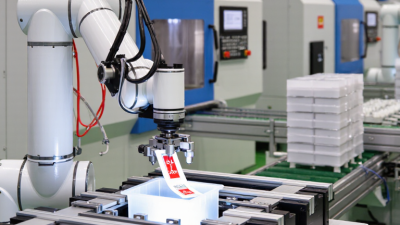
Looking into China's top 10 In-Mold Labeling Robot manufacturers gives us a pretty good idea of who’s driving automated packaging in the country. So, what exactly is an In-Mold Labeling Robot? Well, it’s a machine that places printed labels right inside an open mold before the plastic injection happens. This method helps create precise branding, cuts down on handling time, and reduces the need for extra labeling steps later on. But hey, even tiny errors matter — shifting a label by just a couple of millimeters can really affect how a product looks sitting on a retail shelf. Now, when we evaluate these manufacturers, we try to stick to real-world factors rather than just fancy marketing claims. We look at things like how accurate they are when picking and placing labels, how steady their cycle times are, how well their servo controls work, compatibility with different molds, suitability for cleanroom environments, energy efficiency, and the level of tech support they provide. We also consider how easily their systems integrate with other machinery—think injection molding machines, vision inspection setups, label magazines, and take-out systems. John Beaumont, an expert in injection molding and author of The Moldflow Design Guide, always says, “The mold is the heart of the process,” and that still rings true here. Basically, a robot’s performance isn’t just about one shiny feature—it’s about how it fits into the entire molding cell. Of course, no ranking can be perfect. Just because a factory is huge doesn’t mean it has the best automation, and cheaper systems might be just fine for simple containers. But if you’re dealing with complicated, thin-walled designs, you’ll need something more robust and precisely engineered. Plus, many brochures show ideal cycle times, but reality is messy: stuff like dust, temperature shifts, operator tweaks, and occasional misfeeds happen all the time. Those little details matter. In this review, I’ll introduce you to ten Chinese manufacturers and compare their advertised capabilities with what buyers actually care about. We’ll separate marketing puffery from proven performance—looking at installation records, how quickly they respond to maintenance issues, how customizable their solutions really are, and whether these machines hold up over time. The goal isn’t to hype up every single supplier but to help you find the right In-Mold Labeling Robot that matches your product, mold, factory setup, and production goals.
Read more »
Amelia By:Amelia - September 28, 2026
China Top 10 Injection Molding Robot Manufacturers

China Top 10 Injection Molding Robot Manufacturers

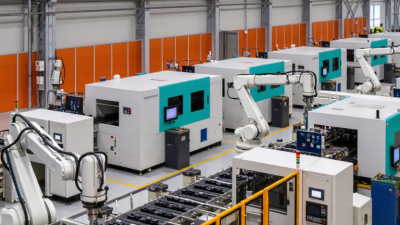
China's injection molding scene has really grown a pretty extensive network of automation providers. In this guide, I’m sharing about ten top companies that’re actually serving plastic processing plants all over the globe. We've looked at these injection molding robot makers through both practical and technical lenses to give you a clear picture. When checking them out, we focus on things like robot payload capacity, how the axes are designed, how consistent the repeats are, cycle times, and whether they play nicely with different molds. We also consider how fast they take out parts, the end-of-arm tooling options, servo controls, and how well safety features are integrated. A supplier worth trusting is one that offers straightforward specs, solid installation guides, training resources, and quick support after the sale. Those little details really count when you're running a busy production line. For example, a robot might be great at removing parts quickly, but if its grip isn't reliable, you could end up with scratches, warping, or even costly downtime. And honestly, real-world experience from floor operators often highlights stuff that numbers alone can’t tell you—things like how cables are routed, how user-friendly the controller is, how easy it is to access for cleaning, and how smoothly it recovers after an emergency stop. Engineers can crunch the numbers all day, but the folks working with the machines daily know what really matters. Keep in mind, some manufacturers list impressive specs, but those might be based on testing conditions that don’t match your actual environment—different moldings, materials, or temperatures—so we don’t take those numbers as gospel. Basically, this guide’s aimed at procurement managers, molders, automation guys, and international buyers. It’s meant to shed light on each company's strengths, focus areas, and service options. Still, I recommend you ask for current certifications, references, detailed integration info, and the total cost of ownership before making a decision. Nothing beats visiting the factory or running a trial in your own plant. Having a good shortlist and some solid evidence is way better than just taking promises at face value. At the end of the day, reliable automation starts with facts, not just fancy claims.
Read more »
Evelyn By:Evelyn - September 23, 2026
How to Choose a Robotic Picking Arm for Your Business?

How to Choose a Robotic Picking Arm for Your Business?

Picking out a robotic picking arm isn't just some fancy showpiece for your showroom—it’s a real business decision. The right system needs to fit your products, your space, your staff, and the pace of your production line. Sometimes, those slick demos can give you a skewed perspective, hiding the tricky stuff behind the scenes. Joseph Engelberger, often called the father of industrial robotics, once said, “I can’t define a robot, but I know one when I see one.” That’s still pretty true today. When you're choosing a robotic picking arm, it’s more about consistent, repeatable performance than just flashy, impressive movements. Start by looking at what you need the robot to handle. Take notes on weight, size, surface texture, and how precisely it needs to pick up objects. A soft pouch isn’t the same as a rigid box, and transparent packaging? That can trip up regular vision systems. Also, figure out the fastest cycle time you require. Then, test the robot right there on your actual conveyor line, with your lighting, bins, safety barriers—everything you’d use in real life. Don’t forget to consider payload capacity and reach. It’s smart to leave some breathing room—operating close to the max might cut into accuracy and reduce the arm’s lifespan. Take a close look at gripper options, how well it works with your vision system, how much effort programming will take, cleaning needs, and how easy it is to get spare parts. Sometimes, a smaller, more compact arm fits better into a tight setup than a big player from ABB or FANUC. But watch out—smaller arms might not handle heavier loads or might slow down under the weight. And hey, your team matters, too. Operators should be able to perform basic troubleshooting and recovery steps without needing an expert right away. Don’t underestimate how important good training and maintenance time are—they can make or break your operation. Finally, don’t rely solely on those shiny brochures. Pilot testing with your real products, including mixed items, imperfect placements, and quick changes in production—expect some bumps along the way—that’s all part of figuring out what really works. The best pick balances speed, reliability, how much it costs to fit into your system, and how flexible it is for the future. Remember, no one robotic picking arm is going to be a perfect match for every business—so choose wisely.
Read more »
Julian By:Julian - September 23, 2026
What Is the Best Kowey Robot Type from China?

What Is the Best Kowey Robot Type from China?

Picking out the best Kowey Robot model from China isn’t just about comparing prices or watching flashy promotional videos. You gotta think about what kind of work you’re doing—different models are suited for different environments like welding lines, material handling, palletizing, assembly, or inspection. For example, a robot that runs smoothly next to a conveyor might struggle in a dusty workshop or tight spaces with limited reach. It’s all about matching the right robot to your specific needs. So, this guide is here to help you navigate the range of Kowey Robots based on real-world criteria. Stuff like payload, working reach, repeatability, cycle times, how user-friendly the controller is, installation requirements, and of course, after-sales support. Plus, it’s important to see how easily each robot can be hooked up with cameras, grippers, safety systems, and other gear you already have in your production line. Sure, specs matter, but what really counts is how they perform in actual working conditions. A good evaluation should be backed up by documented test results, clear manuals, and insights from factories that are already using these robots. Don’t be shy about asking for demo applications, maintenance ideas, spare parts info, and certifications. Having a chat with seasoned engineers can also uncover stuff that brochures often gloss over—like how cables are routed, programming limits, or what to do if an emergency stop happens. Remember, there’s no one-size-fits-all model that’s perfect for everything. Ultimately, your choice will depend on your product weight, the layout of your space, how much you plan to produce, and how comfortable your operators are with handling new tech. I do want to mention that without doing some hands-on testing at the factory, I might miss certain strengths of a particular model. That’s why independent verification really pays off. Think of this guide as a helpful starting point, not the final say. By balancing solid technical specs with reliable service, you’ll be able to pick a Kowey Robot that keeps your production safer, more steady, and more efficient overall.
Read more »
Evelyn By:Evelyn - September 23, 2026